
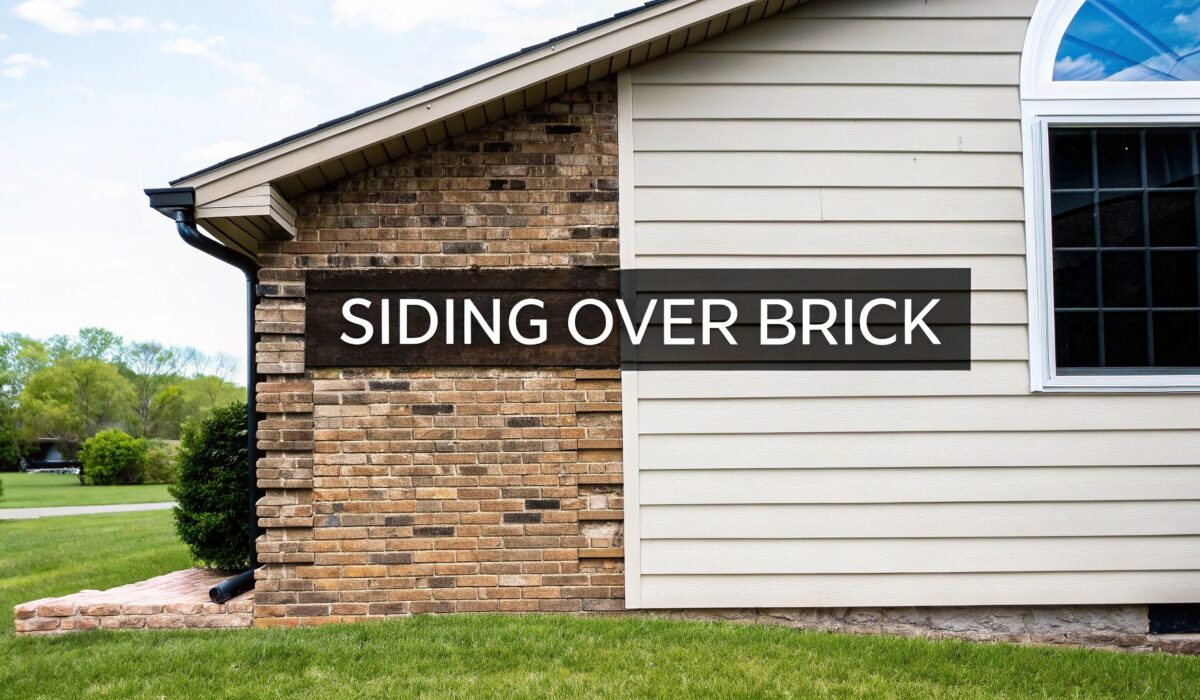
Yes, you can absolutely put siding over brick. But the real question isn't if you can, it's should you? It’s a project that's entirely possible, but success really boils down to two things: the condition of your existing brick and the quality of the installation.
Why Siding Over Brick Is A Major Decision
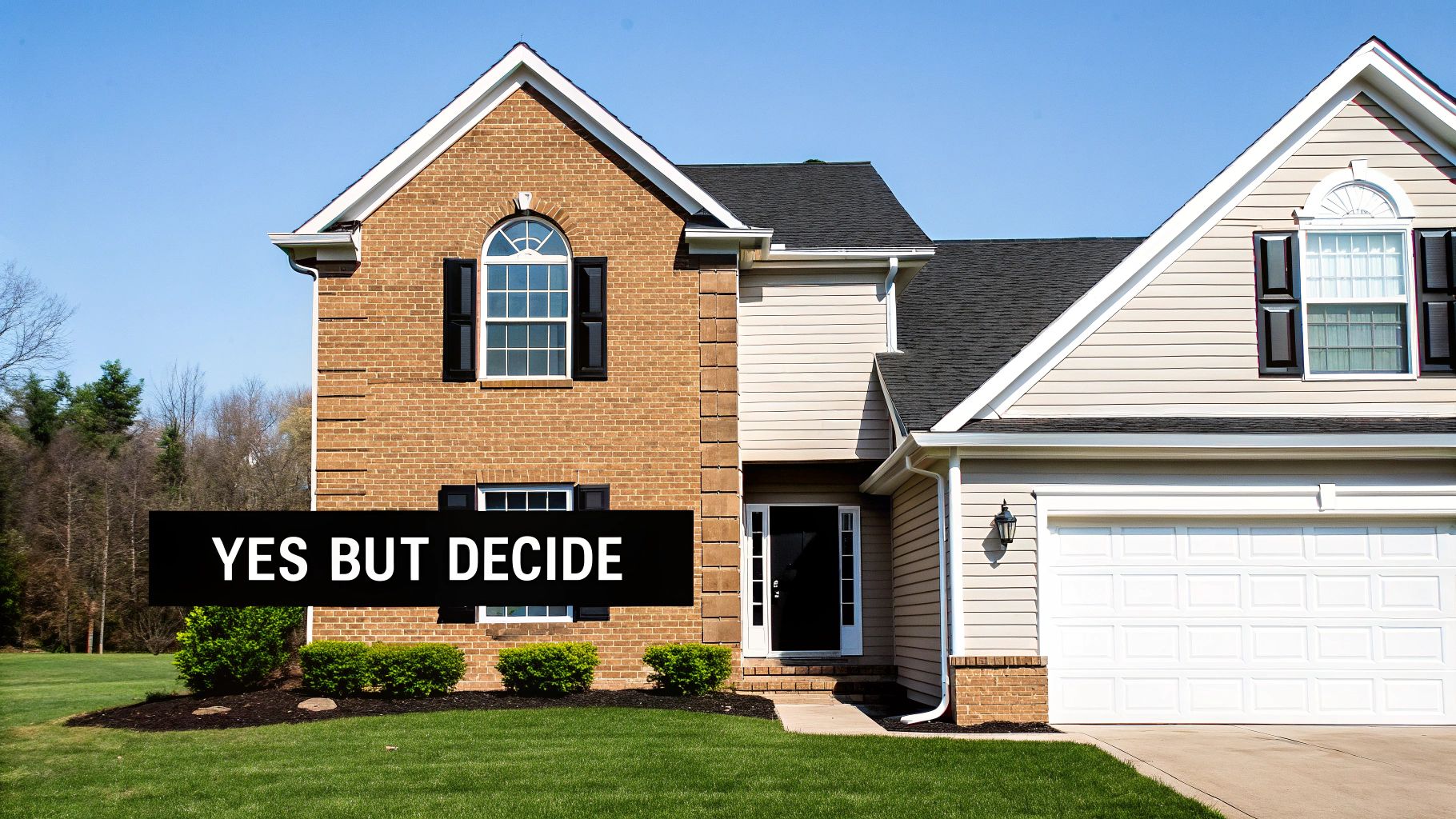
Covering your home's brick exterior is a lot more involved than a simple cosmetic touch-up. Think of your brick wall as the foundation of the project. If that foundation is crumbling or damaged, anything you put on top of it is bound to fail. The original brick has to be a solid, healthy canvas for the new siding to work.
This is a significant renovation, one that demands careful planning. When it’s done right, you can completely transform your home's curb appeal, boost its energy efficiency, and say goodbye to a lot of exterior maintenance. Get it wrong, however, and you could be trapping moisture behind the siding. That can lead to hidden mold, rot, and serious structural damage that you won't see until it's a massive, expensive problem.
Key Factors To Consider
Before you even think about picking out colors, you need to get a handle on what makes a siding-over-brick project successful. It's not just about slapping on some new panels.
You have to account for:
- Structural Integrity: Is your brick wall solid? Look for major cracks, crumbling mortar, or sections that are bulging out. These are red flags.
- Moisture Management: You absolutely need a properly installed moisture barrier and a system for drainage. This is non-negotiable to prevent water from getting trapped.
- Proper Installation Technique: This is not your average DIY weekend project. It requires specific methods, like attaching furring strips to create a perfectly level surface and, just as importantly, an air gap for ventilation.
The demand for this kind of home upgrade is on the rise. The global siding market was valued at around USD 109 billion in 2024 and is expected to climb to about USD 153.4 billion by 2030. This growth is driven by homeowners looking for better aesthetics and building protection.
This project permanently alters your home’s original character. Once siding is installed over brick, removing it is a complex and expensive process, making the initial decision a critical one for any homeowner.
To help you weigh the decision, here’s a quick look at the most important factors.
Key Factors for Siding Over Brick
| Consideration | Why It Matters | Best Practice |
|---|---|---|
| Brick Condition | The siding is only as stable as the brick beneath it. Crumbling brick can't hold fasteners securely. | Inspect for cracks, spalling, and loose mortar. Make all necessary repairs before starting. |
| Moisture Barrier | Brick is porous. Trapped moisture leads to mold, rot, and damage to the home's structure. | Install a high-quality, permeable house wrap over the brick before adding furring strips. |
| Furring Strips | They create a flat surface for the siding and a crucial air gap for ventilation and drainage. | Use pressure-treated wood or metal strips installed vertically, ensuring they are plumb and level. |
| Window & Door Trim | Siding adds thickness to the wall, which can make existing window and door frames look recessed. | Plan for build-outs or new trim to extend around windows and doors for a professional finish. |
Making an informed choice is the best way to ensure you'll love the results for years to come.
Before you jump into a project this big, it’s always a good idea to consult a comprehensive siding guide to make sure you've covered all your bases. To explore your options with local experts, check out our professional siding services for more information.
Alright, let's get that section sounding like it was written by a seasoned pro who's seen it all. Here’s a natural, human-written version.
What to Look for Before You Cover Up That Brick
Before you even think about ordering siding, you have to play detective with your existing brick walls. This is, without a doubt, the most important step. Don't skip it.
Think of it this way: putting new siding over a damaged wall is like putting a fancy bandage on a broken arm. It hides the problem, but it doesn't fix it. In fact, it usually makes things worse, leading to a much bigger, more expensive headache down the road. A solid brick wall is the foundation for a successful siding job, so let’s make sure yours is up to the task.
Are There Any Major Structural Issues?
First things first, let's check the bones of your brickwork. Take a slow walk around your house and keep your eyes peeled for any serious red flags. If you see any of the following, you'll need to call in a masonry expert before moving forward.
- Big, Ugly Cracks: We're not talking about tiny hairline cracks. Look for large, deep cracks, especially ones that follow the mortar in a "stair-step" pattern. This can be a sign of foundation trouble.
- Crumbling Mortar: Is the mortar between the bricks sandy, flaky, or just plain missing in spots? This is called spalling, and it means the "glue" holding your wall together is failing.
- Bowing or Bulging Walls: If any part of the brick wall looks like it's pushing outward, stop right there. This is a serious structural problem that needs immediate attention from a professional.
Is Moisture Wreaking Havoc?
Next up, we need to hunt for moisture. Brick is like a sponge—it absorbs water. Trapping that moisture behind a brand-new layer of siding is a surefire recipe for mold, mildew, and rot.
See that white, chalky powder on the surface of some bricks? That's called efflorescence. It's the salt left behind as water moves through the brick and evaporates, and it's a dead giveaway that you have a moisture issue.
Also, be on the lookout for dark stains or any signs of mold, especially low on the wall near the ground, under leaky gutters, or below windowsills. Find the source of that water and fix it now, not later.
The Right Way to Install Siding: Furring Strips and Moisture Barriers
When you decide to put siding over brick, you're not just covering up an old surface—you're building a whole new exterior system. The real secret to doing this right comes down to two things: furring strips and a good moisture barrier. Nail this combination, and you’ll have a beautiful, long-lasting finish. Get it wrong, and you're setting yourself up for a structural headache down the road.
Think of furring strips as the new skeleton for your siding. These are thin strips of pressure-treated wood or metal that get fastened vertically right onto the brick. Their job is to create a perfectly flat plane, which is critical because brick walls are never truly even. Without them, your siding would warp and buckle, following every bump and dip in the old mortar.
Why You Absolutely Need a Rainscreen System
But the furring strips do something even more important: they create a small air gap between the brick and the siding. This gap is the core of what's called a rainscreen system, and it’s your home's best defense against trapped moisture.
It works a lot like a high-tech rain jacket. No matter how well siding is installed, some water will eventually find its way behind it. The rainscreen gives that water a clear path to drain down and out, while the constant airflow helps the wall dry out completely. If you skip this step, moisture gets trapped against the brick, leading to rot, mold, and damage you won't see until it's a massive problem.
Of course, before the furring strips even go up, you need to wrap the entire brick surface in a high-quality weather-resistant barrier (you probably know it as house wrap). This is your first line of defense, stopping the bulk of any water from ever reaching the original wall.
A properly installed rainscreen system isn't just a good idea—it's non-negotiable when siding over brick. It's the single best way to manage moisture and protect the long-term integrity of your home.
This infographic breaks down what to look for on your existing brick before you even think about starting the project.
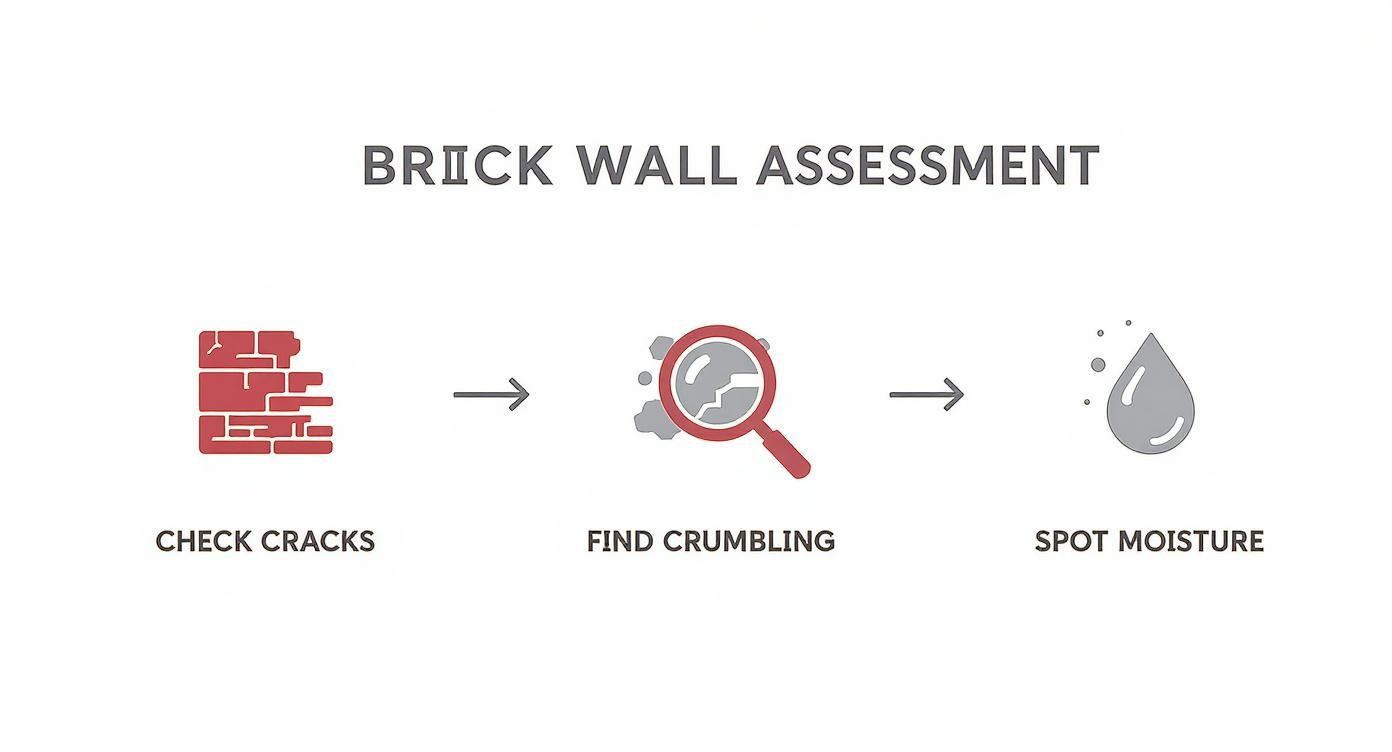
As you can see, spotting existing issues like cracks, crumbling mortar, or old water stains is a crucial first step. Covering up a problem doesn't make it go away.
This technique of retrofitting an exterior is becoming more and more common. We're seeing huge growth in products like brick veneer siding, driven by new construction around the world. Applying modern siding over old masonry is a smart way for homeowners to update their home's look and add another layer of protection without the massive cost of a full tear-down. You can check out more brick siding market trends to see just how this approach is making waves in the construction industry.
Comparing Siding Materials For Your Brick Home
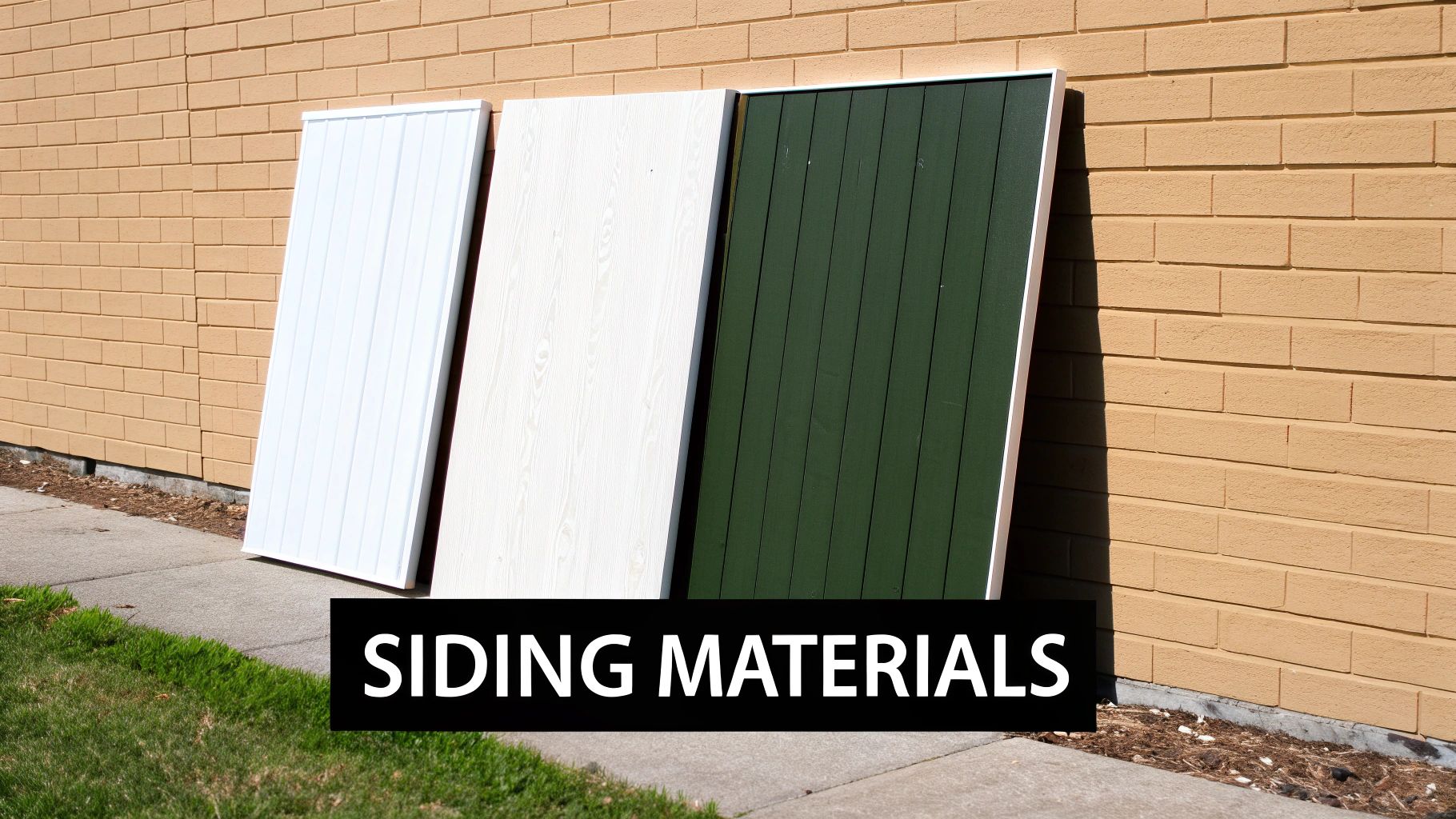
Once your brick walls are ready and you have a solid plan for attaching the furring strips, the fun part begins: choosing your new siding. This decision is a big one, as it shapes your home's curb appeal, your weekend maintenance chores, and your overall project budget.
When it comes to covering brick, three materials consistently rise to the top: vinyl, fiber cement, and engineered wood. Each has its own personality and set of trade-offs.
Vinyl Siding: The Budget-Friendly Choice
For many homeowners, vinyl siding is the go-to choice for an affordable, low-maintenance update. It’s incredibly lightweight, comes in a huge range of colors, and you’ll never have to pick up a paintbrush. The key to a great vinyl job is proper installation over a smooth, even surface. Getting an accurate material estimate is also crucial, so it helps to know how to measure vinyl siding before you start.
Fiber Cement Siding: The Durability Champion
If you're looking for something that can really take a beating, fiber cement is hard to top. This stuff is made from a tough mix of cement, sand, and cellulose fibers, making it incredibly resistant to fire, insects, and rot. It’s quite a bit heavier and more expensive than vinyl, but many people feel its remarkable longevity is worth the upfront cost.
While each siding material has its unique benefits, the right choice for your home depends on a balance of cost, desired aesthetic, climate, and long-term maintenance commitment.
Taking the time to explore different exterior wall cladding options will give you a better sense of their unique properties and how they might fit your home's specific needs.
Siding Material Comparison For Brick Homes
To make things a bit clearer, let's break down the key differences between these popular options. This table gives you a side-by-side look at what you can expect in terms of cost, benefits, and potential drawbacks.
| Siding Material | Average Cost (per sq ft installed) | Pros | Cons |
|---|---|---|---|
| Vinyl | $4 – $12 | Most affordable, low-maintenance, wide color selection, lightweight | Can look less premium, may crack in extreme cold, installation quality is critical |
| Fiber Cement | $6 – $14 | Highly durable, fire and pest resistant, mimics wood grain well | Heavy and requires professional installation, higher upfront cost |
| Engineered Wood | $7 – $15 | Authentic wood look, durable and pest-resistant, often pre-primed | More expensive than vinyl, requires painting and regular maintenance |
Ultimately, comparing these factors against your personal priorities will point you toward the perfect siding to give your brick home a brand-new life.
Weighing The Pros And Cons Of Siding Over Brick
So, we've established that you can put siding over brick, but the real question is, should you? It’s a big project with some fantastic benefits, but you absolutely have to understand the risks before you even think about starting.
On the one hand, the finished look can be a total game-changer. A fresh layer of siding can take a dated brick exterior and make it look brand new, giving you an instant and massive boost in curb appeal. It also adds another layer of insulation to your home, which can translate into real savings on your energy bills. And let's not forget the appeal of low-maintenance living—no more worrying about repointing old, crumbling mortar.
The Potential Drawbacks To Consider
Now for the flip side. The biggest risk, by far, is moisture. If the siding isn't installed perfectly, water will find its way in and get trapped between the new siding and your original brick wall. This creates a dark, damp environment that is the perfect breeding ground for mold and rot, potentially causing serious structural damage you won't see until it's too late. Our guide on how you clean mold off vinyl siding gives you a sense of just how stubborn moisture issues can become.
Covering your home's original brick is a permanent decision. You're not just changing the look; you're hiding the unique character of the masonry and making it incredibly difficult to spot underlying problems like cracks or spalling until they become major issues.
Finally, you have to consider the cost. This is not a cheap project. Between the materials and the professional labor required to do it right, it's a significant investment. While the home improvement market is healthy—with global demand for siding products expected to grow by 1.8% annually—it's still a big chunk of change. You can discover more insights about siding industry trends to get a feel for the market. Taking a hard look at both sides of the coin is the only way to make the right choice for your home.
Common Questions About Siding Over Brick
Even after doing your homework, it’s natural to have a few more questions pop up before you dive into a project this big. Let's walk through some of the most common ones we hear from homeowners.
How Much Does It Cost To Put Siding Over A Brick House?
The final price tag can swing quite a bit depending on the size of your house, the siding you pick, and what labor costs look like in your area.
As a ballpark figure, you can expect the job to run somewhere between $5 and $15 per square foot. That price typically covers everything from the furring strips and moisture barrier to the siding itself and the skilled hands needed to install it right.
Does Putting Siding Over Brick Decrease My Home's Value?
This is a big concern for many, and honestly, it depends. If you're covering up dated or damaged brick with a sharp, modern siding installed by a pro, you can absolutely increase your home's value and curb appeal.
On the other hand, if your house has beautiful, classic brick that fits the character of your neighborhood, covering it up might be a turn-off for potential buyers. It really comes down to the condition of the original brick and the quality of the new installation.
This is one of those projects where we strongly advise against going the DIY route. The potential for moisture getting trapped behind the siding is incredibly high. One mistake can lead to hidden rot and structural damage that will cost you far more to fix than hiring a professional in the first place.
What About Building Permits?
More often than not, you'll need one. Changing your home's exterior is considered a major renovation, and your local government wants to ensure it’s done safely and up to code.
Permits are there to make sure the siding is attached securely and that the weatherproofing is handled correctly. Always check with your local building department before you start. It’s a simple step that protects you from fines and ensures your home remains safe and sound for years to come.
Figuring out if siding over brick is the right move for your home is a big decision, but you don’t have to go it alone. For expert guidance and a flawless installation that protects your home for decades, trust the professionals at Penn Ohio Roofing & Siding Group. Contact us today for a free estimate.