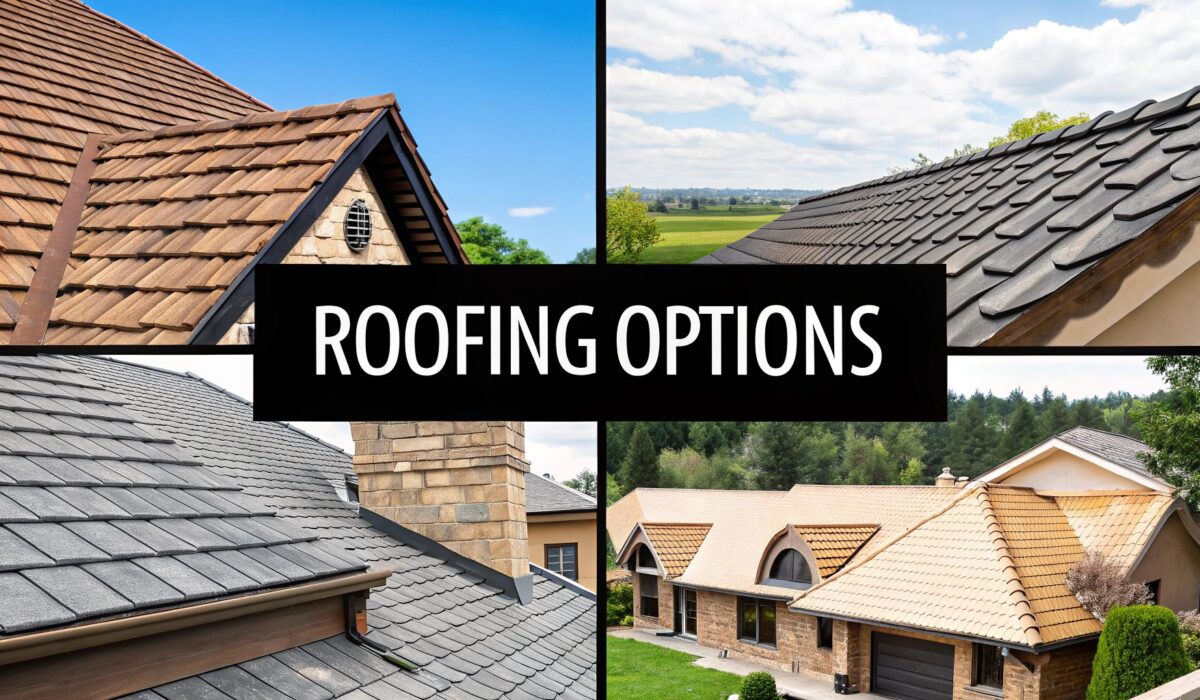
Your roof is more than just a shield against the elements; it's a critical component of your home's structural integrity, energy efficiency, and overall curb appeal. When the time comes for a replacement, selecting the right material can feel like a monumental task. The market is filled with a vast array of choices, each with its own set of benefits, costs, and aesthetic qualities. Making an informed decision is paramount, as this investment will protect your home and family for decades.
This guide is designed to simplify that process. We will provide a comprehensive breakdown of the most common and innovative types of residential roofing available today. We’ll move beyond surface-level descriptions to offer a detailed analysis of each material, ensuring you understand the practical implications of your choice.
Inside this definitive roundup, you will discover:
- In-depth profiles of materials ranging from classic asphalt shingles and durable metal to elegant slate and modern composite options.
- Key performance metrics, including typical lifespan, estimated cost ranges, and ongoing maintenance requirements for each type.
- Best-use scenarios tailored specifically for homeowners in the Penn Ohio region, considering our unique climate of humid summers and snowy winters.
Our goal is to equip you with the knowledge needed to confidently select the perfect roofing system that aligns with your budget, style, and long-term performance expectations. Whether you're dealing with a sudden leak or planning a major home renovation, this guide provides the clarity you need. For homeowners in Pennsylvania and Ohio, making the right choice starts with understanding all your options. Let’s explore the ideal crown for your home.
1. Asphalt Shingles
Asphalt shingles are the most dominant player in the residential roofing market for a reason. Comprising a fiberglass mat coated in waterproof asphalt and topped with mineral granules, they offer a versatile and cost-effective solution for protecting your home. Their widespread popularity stems from a reliable balance of performance, affordability, and aesthetic flexibility, making them a default choice for many suburban homes across the Penn Ohio region.
Why Choose Asphalt Shingles?
This material is an excellent all-around choice, especially for homeowners seeking a dependable roof without the premium cost of materials like slate or metal. They come in an extensive array of colors and styles, from traditional 3-tab shingles to more robust architectural (or dimensional) shingles that mimic the look of more expensive materials.
Key Insight: The mineral granules on asphalt shingles do more than just add color; they are crucial for protecting the shingle from UV ray degradation, which extends the roof's lifespan and improves its durability.
Implementation and Best Practices
To maximize the value and longevity of an asphalt shingle roof, proper installation and selection are critical.
- Choose the Right Type: While basic 3-tab shingles are economical, upgrading to architectural shingles offers significantly better wind resistance, a longer lifespan, and a richer, more textured appearance. For a detailed comparison, you can explore the differences between three-tab and dimensional shingles.
- Ensure Proper Ventilation: A well-ventilated attic prevents heat and moisture buildup, which can cook shingles from below and lead to premature curling and cracking.
- Climate Considerations: In the humid summers of the Penn Ohio area, look for shingles treated with algae-resistant technology to prevent unsightly black streaks.
- Installation Details: A professional installation will ensure the correct nailing pattern (typically 4-6 nails per shingle) is used to meet wind uplift requirements, a crucial factor during severe storms.
For homeowners in our service area, asphalt shingles provide a proven, reliable, and aesthetically pleasing option that stands up well to our regional climate. They deliver exceptional value when installed correctly and maintained properly.
2. Metal Roofing
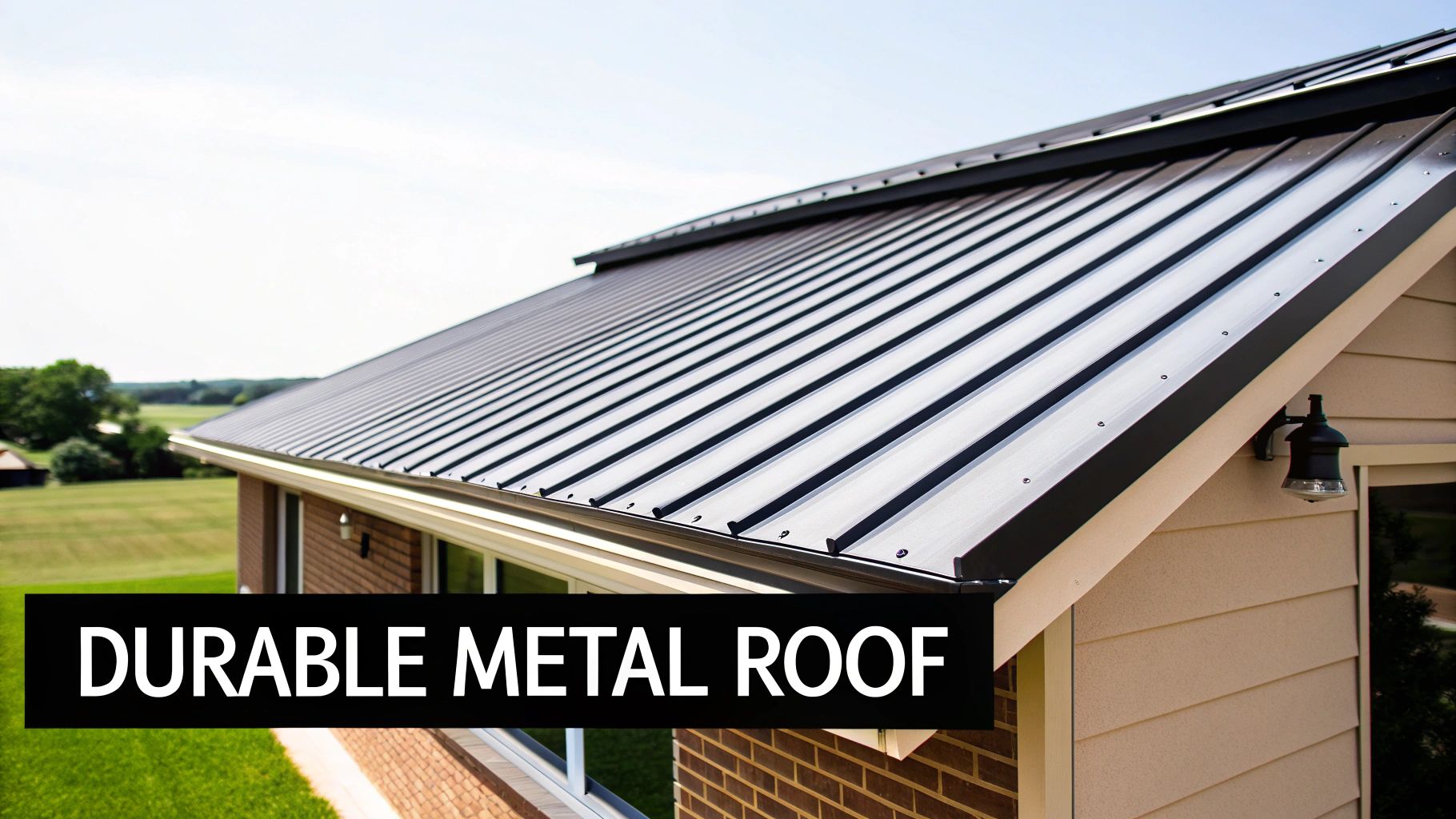
No longer just for agricultural buildings or commercial properties, metal roofing has surged in popularity as a premium residential option. Constructed from durable materials like steel, aluminum, and copper, these systems consist of interlocking panels or shingles that offer exceptional longevity and a sleek, modern aesthetic. Its growing appeal in the residential market is driven by an impressive combination of durability, energy efficiency, and minimal maintenance requirements, making it a powerful long-term investment for discerning homeowners.
Why Choose Metal Roofing?
This material is an ideal choice for homeowners prioritizing lifespan and performance over initial cost. Metal roofs can last 50 years or more, easily two to three times longer than traditional asphalt shingles. They are also highly resistant to fire, rot, and insect damage. Available in a wide spectrum of colors and profiles, from standing seam panels to stamped metal shingles that mimic slate or wood, metal roofing offers significant design versatility.
Key Insight: Many modern metal roofs are finished with reflective coatings that block the transfer of solar heat into the attic. This can reduce cooling costs by up to 25%, making it one of the most energy-efficient roofing options available.
Implementation and Best Practices
To ensure a metal roof performs to its full potential, a specialized approach to installation and material selection is necessary.
- Choose the Right System: Standing seam systems, where the fasteners are concealed, offer superior weather-tightness and a cleaner look compared to screw-down (exposed fastener) panels. They are the preferred choice for most residential applications.
- Plan for Noise and Condensation: Proper installation should include an underlayment and adequate attic ventilation. This combination helps manage condensation and significantly dampens the noise from rain or hail.
- Climate Considerations: In the Penn Ohio region, a metal roof's ability to shed snow quickly is a major advantage, reducing the risk of ice dams. For a full breakdown of the benefits and drawbacks, you can review the pros and cons of metal roofing.
- Installation Details: Metal roofing requires specialized expertise. A professional team will ensure panels are correctly fastened to handle thermal expansion and contraction, preventing future leaks and damage.
For homeowners seeking a durable, eco-friendly, and long-lasting solution, metal roofing provides unparalleled value and protection against the harshest elements our regional climate can deliver.
3. Wood Shake and Shingle Roofing
Wood shake and shingle roofing offers a timeless, natural beauty that is difficult to replicate with synthetic materials. Crafted from split or sawn wood like cedar or redwood, these roofs provide a rustic, classic aesthetic that enhances the character of many homes. Their appeal lies in their distinctive texture and the elegant, weathered patina they develop over time, making them a premium choice for architectural styles ranging from historic Colonial to modern Craftsman homes.
Why Choose Wood Shake and Shingle Roofing?
This material is an excellent option for homeowners prioritizing natural aesthetics and historical accuracy. Wood is a natural insulator, offering better thermal performance than some other materials. While shingles are sawn for a smooth, uniform appearance, hand-split shakes provide a more rugged, textured look. Both options bring a warm, organic feel to a property's exterior, especially for luxury or architecturally specific homes.
Key Insight: The primary difference between a shake and a shingle lies in its production. Shakes are typically hand-split, resulting in a more rustic, irregular surface, while shingles are sawn on both sides for a smoother, more uniform finish.
Implementation and Best Practices
To ensure a wood roof achieves its full potential lifespan and maintains its beauty, meticulous installation and ongoing maintenance are essential.
- Prioritize Airflow: Proper ventilation is non-negotiable for wood roofs. A breathable underlayment and adequate attic ventilation are crucial to prevent moisture from getting trapped, which can lead to rot and decay.
- Regular Maintenance: A wood roof requires more upkeep than many other types of residential roofing. Plan to have the roof professionally cleaned and treated with preservatives every 5-10 years to prevent moss, algae, and insect damage.
- Climate Considerations: In the damp Penn Ohio climate, it's vital to trim overhanging tree branches to allow the roof to dry completely after rain and to keep gutters clear to ensure proper drainage away from the wood.
- Installation Details: The quality of installation directly impacts performance. A professional team will ensure each shingle or shake is properly spaced and fastened, allowing the wood to expand and contract naturally with changing humidity levels.
4. Slate Roofing
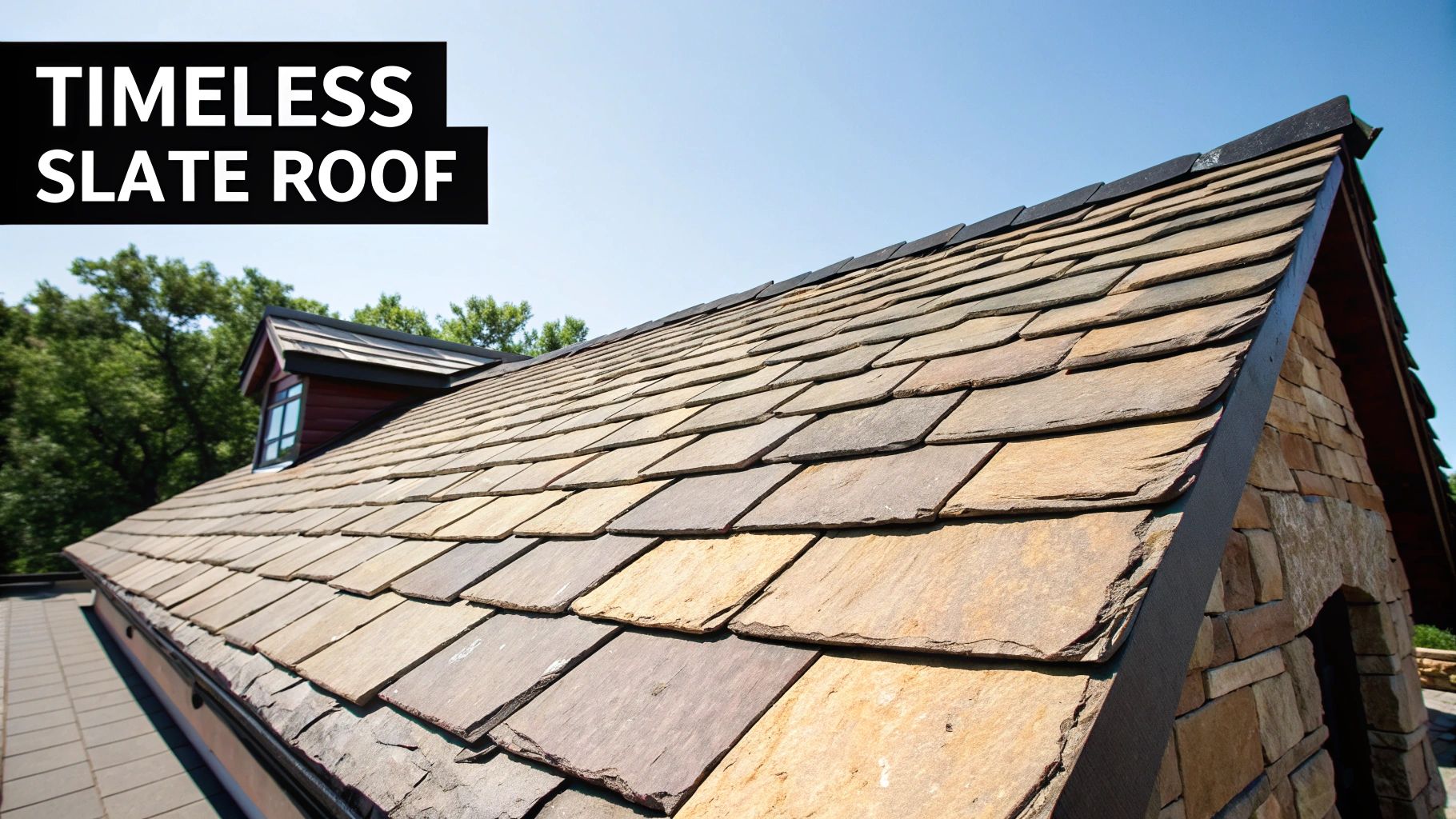
Slate roofing represents the pinnacle of premium roofing materials, offering unparalleled longevity and a timeless, elegant aesthetic. As a natural stone meticulously split into thin tiles, slate provides a durable, fireproof, and eco-friendly shield for your home. Its presence often signifies luxury and an investment in permanence, seen on historic estates, grand Victorian homes, and high-end properties throughout the Northeast, including the prestigious homes of Pennsylvania.
Why Choose Slate Roofing?
This material is the ideal choice for homeowners who view their roof as a permanent feature of their home and are willing to invest in its future. With a potential lifespan of over 100 years, a slate roof can easily outlast the structure it protects. Its natural beauty is undeniable, with variations in color and texture that add distinctive character, making it a powerful architectural statement for any property.
Key Insight: The immense weight of slate is a critical factor. Before considering this option, a structural engineer must assess your home’s roof framing to ensure it can safely support the heavy load, which can be several times that of asphalt shingles.
Implementation and Best Practices
A slate roof's success is almost entirely dependent on the quality of its installation. It is not a project for a general roofer; it demands a specialist.
- Hire a Slate Specialist: Installation requires specific tools, techniques, and an understanding of how the stone behaves. Only a team with proven, extensive experience in slate should be trusted with the job.
- Component Longevity: All associated components, such as flashing and fasteners, must match the slate's lifespan. Using copper or stainless steel is essential to prevent rust and premature failure.
- Structural Reinforcement: Be prepared for potential structural reinforcement costs if your home wasn't originally designed for a slate roof.
- Sourcing and Repairs: Document the source of your slate (e.g., Vermont or Pennsylvania quarries). If a tile cracks, having an exact match is crucial for a seamless repair that maintains the roof's integrity and appearance.
For homeowners in the Penn Ohio region seeking the ultimate in durability and classic beauty, a professionally installed slate roof is a legacy investment that adds significant value and protection for generations.
5. Clay and Concrete Tile Roofing
Clay and concrete tiles offer an unmistakable aesthetic of elegance and durability, creating a distinctive, long-lasting roofing surface. Popular in Mediterranean, Spanish, and Southwestern architectural styles, these tiles are either kiln-fired (clay) or steam-cured (concrete), resulting in a roofing material known for its resilience and beauty. While less common in the Penn Ohio region than materials like asphalt or metal, tile roofing provides a premium, high-performance option for homeowners seeking a unique and permanent solution.
Why Choose Clay or Concrete Tile?
This material is an excellent choice for those prioritizing longevity, fire resistance, and architectural authenticity. Concrete tiles offer a cost-effective way to achieve the tile look with a wide range of profiles and colors, while clay tiles are celebrated for their natural, fade-proof color and incredible lifespan that can exceed a century. Both options provide superior protection against pests and rot.
Key Insight: The primary distinction lies in material composition and longevity. Clay tiles are made from natural clay and hold their color permanently, while concrete tiles are a mix of sand, cement, and water, with a surface-applied color that may fade over time.
Implementation and Best Practices
A tile roof is a significant investment that requires specialized installation to ensure its performance and structural integrity.
- Structural Assessment: Tile is extremely heavy. A structural engineer must verify that your home’s framing can support the substantial weight before installation proceeds.
- Expert Installation: Proper installation is non-negotiable. Only experienced tile roofing contractors should be used to ensure correct flashing, underlayment, and fastening techniques are employed.
- Climate Considerations: In the Penn Ohio climate, it's vital to choose tiles rated for freeze-thaw cycles to prevent cracking during harsh winters. Proper ventilation and a high-quality, waterproof underlayment are also critical to manage moisture.
- Material Selection: Use corrosion-resistant fasteners, such as copper or stainless steel, to prevent rust and ensure the fastening system lasts as long as the tiles themselves. To learn more about the investment involved, you can explore the details of tile roof installation costs.
For homeowners desiring a roof that makes a powerful architectural statement and offers unparalleled longevity, clay or concrete tile is a superior choice, provided the home can support it and the installation is handled by true professionals.
6. Composite and Synthetic Shingles
Composite and synthetic shingles are advanced, engineered materials designed to replicate the high-end look of natural slate, wood shakes, or clay tiles without their inherent drawbacks and maintenance needs. Composed of sophisticated blends of polymers, recycled plastics, rubber, and other materials, they offer a cutting-edge alternative for homeowners. This type of residential roofing provides an exceptional combination of durability, longevity, and aesthetic precision, making it a popular choice for premium homes throughout the Penn Ohio region.
Why Choose Composite and Synthetic Shingles?
This material is ideal for homeowners who desire the premium aesthetic of natural materials but require superior performance, impact resistance, and lower lifetime maintenance. Composite shingles are available in a vast array of colors and hyper-realistic textures that convincingly mimic their natural counterparts. Unlike wood, they won't rot or attract pests, and unlike slate, they are lightweight and won't crack under impact.
Key Insight: Many composite shingles are Class 4 impact-rated, the highest rating available. This makes them exceptionally resistant to damage from severe hail, a significant advantage in areas prone to unpredictable weather.
Implementation and Best Practices
Achieving the full benefit of composite and synthetic shingles depends on careful product selection and expert installation.
- Prioritize Quality and Warranty: Opt for products from reputable manufacturers that offer robust, long-term warranties, often 50 years or even a lifetime. This ensures your investment is protected.
- Verify Regional Suitability: Ensure the product has a high wind rating suitable for Penn Ohio's storm seasons. Additionally, select options with built-in UV inhibitors and algae-resistant technology to combat summer humidity and sun exposure.
- Professional Installation is Key: These systems have unique installation requirements that differ from standard shingles. It is crucial to partner with an experienced contractor who is trained to handle these specific materials to ensure flawless performance and validate the manufacturer's warranty.
- Consider the Entire System: Proper ventilation, underlayment, and flashing are critical components. A complete system approach prevents moisture issues and ensures the roof performs optimally for its entire lifespan.
For those seeking a durable, low-maintenance, and visually stunning roofing solution, composite shingles deliver incredible value and long-term peace of mind, standing up to the harshest regional conditions with elegance and strength.
7. Green Roofs and Living Roofs
A green roof, also known as a living roof, is an innovative and sustainable roofing system where vegetation is grown on top of a specialized waterproof membrane. This layered system includes a root barrier, drainage, a growing medium (soil), and carefully selected plants, turning a conventional roof into a living, breathing ecosystem. While still a niche option in residential settings, green roofs are gaining traction for their significant environmental benefits and unique aesthetic appeal, offering a forward-thinking approach to sustainable home design.
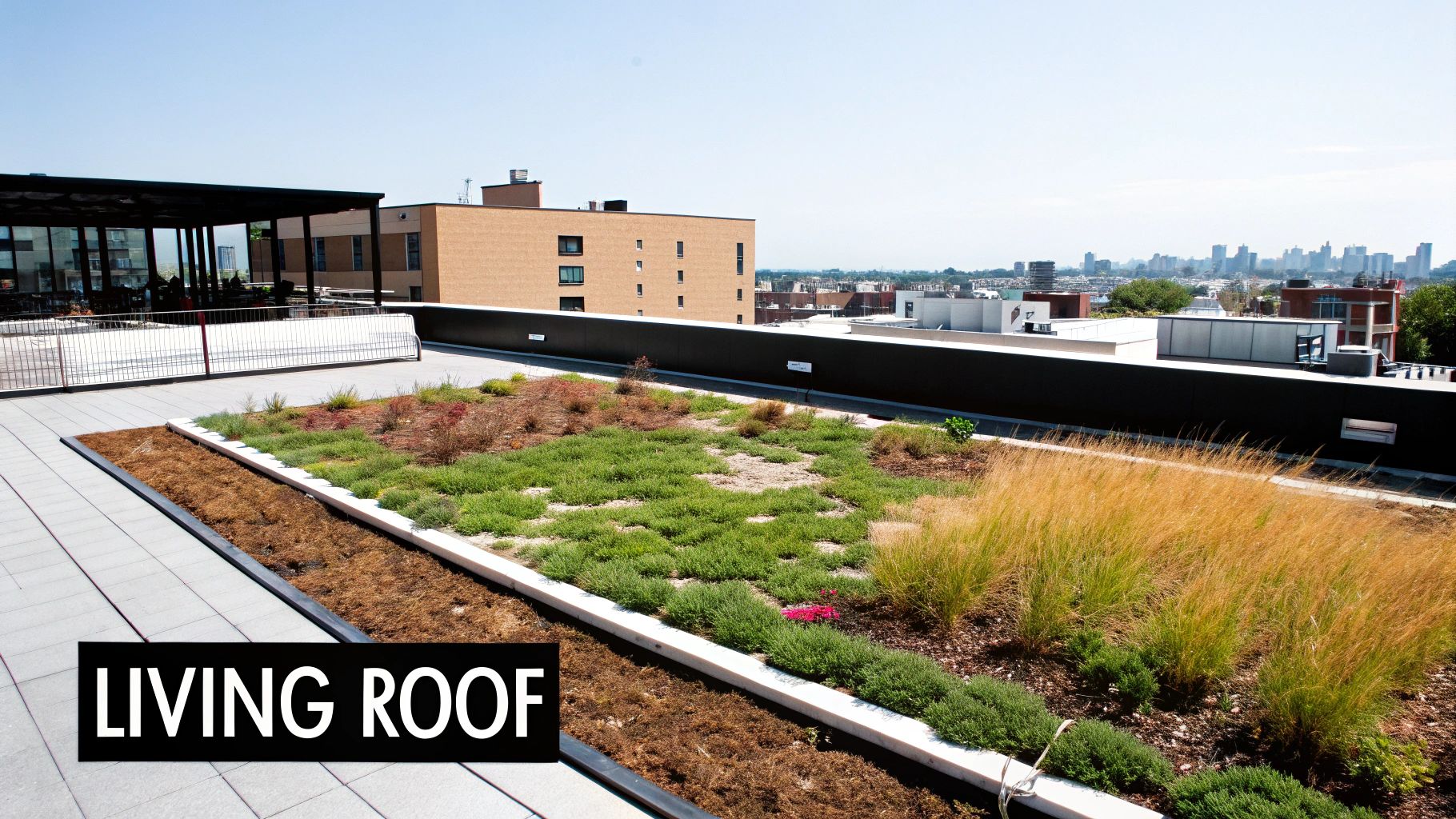
Why Choose a Green Roof?
This is an exceptional choice for environmentally-conscious homeowners who want to reduce their carbon footprint, manage stormwater, and improve their home's energy efficiency. A green roof acts as a natural insulator, keeping the home cooler in the summer and warmer in the winter, which can lead to lower energy bills. It also provides a habitat for pollinators, improves air quality, and can significantly extend the life of the underlying roofing membrane by protecting it from UV radiation and extreme temperature fluctuations.
Key Insight: Green roofs are categorized as either "extensive" (shallow soil, low-maintenance plants like sedums) or "intensive" (deeper soil, more like a traditional garden). For most residential applications, extensive systems are more practical due to lower weight and maintenance requirements.
Implementation and Best Practices
Successfully installing a green roof requires meticulous planning and professional expertise to ensure structural integrity and long-term performance.
- Structural Assessment: The first and most critical step is to have a structural engineer confirm that your roof can support the additional weight of the soil, plants, and retained water. This is a non-negotiable safety requirement.
- Waterproofing is Paramount: An impenetrable, high-quality waterproof membrane and root barrier must be installed flawlessly. Any failure in this layer could lead to catastrophic leaks and structural damage.
- Plant Selection: Choose hardy, drought-tolerant native plants or sedums that are well-suited to the Penn Ohio climate. These plants require minimal maintenance and can withstand local weather conditions.
- Proper Drainage and Irrigation: An efficient drainage system is essential to prevent water from pooling and oversaturating the growing medium. An irrigation system, especially for the first year, helps ensure the plants become well-established.
While a highly specialized project, a professionally installed green roof can transform your property into a model of sustainability and natural beauty. It's a significant investment that pays dividends in environmental benefits and long-term energy savings.
8. Solar Roofing and Photovoltaic Systems
Solar roofing is a forward-thinking approach that integrates energy generation directly into your home's protective layer. This category includes both integrated solar tiles that replace traditional roofing materials and conventional photovoltaic (PV) panels mounted on an existing roof structure. This technology transforms one of your home’s largest assets into a functional power source, offering a path to energy independence and significant long-term savings.
Why Choose Solar Roofing?
This option is ideal for environmentally conscious homeowners looking to reduce their carbon footprint and lower their electricity bills. Integrated systems provide a sleek, modern aesthetic, while traditional panel installations offer a more accessible and versatile way to harness solar power. As technology advances and incentives grow, solar is becoming an increasingly practical choice for homeowners in the Penn Ohio region.
Key Insight: The Federal Solar Investment Tax Credit (ITC) currently allows homeowners to deduct 30% of the cost of installing a solar energy system from their federal taxes, significantly reducing the initial investment and accelerating the return on investment.
Implementation and Best Practices
A successful solar roofing project requires careful planning to ensure it meets both your energy needs and your home’s structural requirements.
- Assess Roof Condition: Before installing solar panels, it's crucial to evaluate your existing roof. If your roof is nearing the end of its lifespan, it is far more cost-effective to replace it first rather than removing and reinstalling a solar array a few years later.
- Evaluate Your Site: A professional will assess your roof's orientation (south-facing is ideal), pitch, and any potential shading from trees or nearby structures to maximize energy production.
- Understand System Components: When exploring options for solar roofing, understanding the benefits of a robust Solar PV System is essential. For a deeper look into the technology, you can explore resources like Why Solar PV System by Wing Energy?.
- Professional Installation: A certified installer ensures that the system is not only electrically sound but also that all roof penetrations for mounting hardware are properly sealed to prevent leaks and protect your roof's integrity.
For homeowners aiming to invest in their property's future, a solar roofing system is one of the most impactful types of residential roofing, offering both protection and power generation in one package.
9. Membrane Roofing (EPDM, TPO, PVC)
Membrane roofing is the definitive solution for flat or low-slope residential structures, an increasingly common feature in modern home design. Consisting of large, waterproof sheets made from synthetic materials like EPDM (ethylene propylene diene monomer), TPO (thermoplastic polyolefin), or PVC (polyvinyl chloride), this system creates a seamless, watertight barrier. While traditionally seen on commercial buildings, its durability and sleek finish have made it a popular choice for contemporary homes, covered patios, and garage roofs throughout the Penn Ohio region.
Why Choose Membrane Roofing?
This material is essential for any roof lacking a significant pitch where traditional shingles would fail. Its primary advantage is superior water resistance, as the heat-welded or adhesively sealed seams prevent leaks where water might otherwise pool. Modern membrane options, particularly white TPO, are also highly reflective, which helps reduce cooling costs during hot Ohio and Pennsylvania summers.
Key Insight: The success of a membrane roof is less about the material itself and more about the quality of the seam-sealing process. Professionally welded or bonded seams are what create the monolithic, waterproof surface essential for low-slope performance.
Implementation and Best Practices
To ensure a long-lasting, leak-free membrane roof, precision during installation and ongoing care are non-negotiable.
- Select the Right Material: TPO is a popular choice for its energy efficiency and puncture resistance. EPDM is known for its durability and flexibility in colder temperatures. PVC offers excellent resistance to chemicals and fire. The best choice depends on your specific needs and exposure.
- Ensure Proper Drainage: Even a "flat" roof requires a slight slope (a minimum of ¼ inch per foot) to guide water toward drains or scuppers. Preventing pooling water is the most critical factor in extending the roof's life.
- Professional Installation is Crucial: Unlike shingling, membrane installation is a highly technical process. A qualified team has the specialized equipment and expertise to ensure all seams are perfectly sealed and flashing around vents and chimneys is flawlessly integrated.
- Limit Foot Traffic: While durable, these membranes can be punctured by sharp objects. If the roof will be used as a deck or patio, protective pads or decking should be installed over the membrane.
For homeowners with flat or low-slope roof sections, a professionally installed membrane system is the most reliable way to protect your property from water intrusion, offering a clean, modern aesthetic that complements various architectural styles.
10. Rubber and Synthetic Slate Shingles
Rubber and synthetic slate shingles offer a brilliant modern solution for homeowners who desire the timeless, elegant look of natural slate without its significant weight and cost. These engineered products, often crafted from recycled rubber, plastics, and other polymer resins, are designed to meticulously replicate the texture, thickness, and color variations of authentic quarried slate. This innovation makes a premium aesthetic accessible to a wider range of homes and architectural designs, especially in the Penn Ohio region where classic looks are highly valued.
Why Choose Rubber and Synthetic Slate Shingles?
This material is an outstanding choice for homeowners seeking the high-end appearance of slate with enhanced durability and a more practical price point. Unlike natural slate, which is heavy and brittle, synthetic options are impact-resistant, lightweight, and often come with excellent warranties. Their versatility allows them to be installed on homes that may not have the structural support required for tons of natural stone.
Key Insight: Many synthetic slate products are made from recycled materials, making them an eco-friendly choice for sustainable building projects. This "green" aspect, combined with their durability, offers a unique blend of environmental responsibility and long-term performance.
Implementation and Best Practices
To ensure a synthetic slate roof delivers on its promise of beauty and longevity, careful selection and professional installation are paramount.
- Verify Product Quality: Opt for products from reputable manufacturers that offer comprehensive warranties of 25 years or more. This is a good indicator of the material's expected lifespan and performance.
- Check Fire and Impact Ratings: Prioritize synthetic slate with a Class A fire rating and a high impact resistance rating (Class 4), which can offer superior protection against fire and hail damage.
- Professional Installation is Key: Specific experience is needed to install these systems. Proper installation techniques are crucial to prevent shingles from curling, shifting, or becoming vulnerable to wind uplift.
- Plan for Fading: While modern synthetics have excellent UV inhibitors, some color mellowing can occur over time. If this is a concern, selecting a slightly darker shade initially can help maintain the desired look for decades.
For property owners aiming for a luxurious aesthetic without the structural and financial burdens of natural slate, rubber and synthetic shingles are one of the most compelling types of residential roofing available today.
Top 10 Residential Roofing Types Comparison
| Roofing Type | Implementation Complexity 🔄 | Resource & Cost ⚡ | Expected Performance ⭐ | Ideal Use Cases 📊 | Key Advantages & Tips 💡 |
|---|---|---|---|---|---|
| Asphalt Shingles | Low 🔄 simple, widely available installation | ⚡ $1.50–$5/ft² (material); lightweight, recyclable | ⭐ 15–25 yrs; moderate weather resistance; regular maintenance | 📊 Suburban homes, budget replacements, varied climates (avoid extreme heat) | 💡 Most affordable; choose architectural styles and ensure ventilation; inspect after storms |
| Metal Roofing | Medium–High 🔄 specialized install; possible reinforcement | ⚡ $7–$15/ft² (installed); lightweight panels; recyclable | ⭐ 40–70+ yrs; excellent wind/fire resistance; low maintenance | 📊 Long-term investment homes, modern/eco designs, high-wind regions | 💡 Durable and energy-efficient; prefer standing seam and add insulation for noise control |
| Wood Shake & Shingle | High 🔄 skilled labor; longer installation | ⚡ $6–$15+/ft² (material); moderate weight; higher labor | ⭐ 20–40 yrs with maintenance; vulnerable to rot, insects, fire unless treated | 📊 Historic, Craftsman, luxury mountain and restoration projects | 💡 Beautiful natural look; requires preservative treatments, ventilation, and frequent inspections |
| Slate Roofing | Very High 🔄 expert installers; structural reinforcement needed | ⚡ $15–$30+/ft² installed; very heavy (structural upgrade often required) | ⭐ 50–200+ yrs; exceptional durability and fire resistance | 📊 High-end historic estates, luxury restorations, landmark buildings | 💡 Timeless and low-maintenance long-term; obtain structural assessment and certified installers |
| Clay & Concrete Tile | High 🔄 skilled installation; heavy tiles require support | ⚡ $10–$20+/ft² installed; heavy (600–1000 lbs/100ft²) | ⭐ 30–50+ yrs; excellent UV and fire resistance | 📊 Mediterranean/Spanish/Southwestern architecture; warm climates | 💡 Distinctive, long-lasting look; consult structural engineer and use proper underlayment |
| Composite & Synthetic Shingles | Medium 🔄 similar to heavy shingle installs; product-specific training | ⚡ $3–$8/ft² (material); heavier than asphalt | ⭐ 25–30+ yrs; good impact/algae resistance; lower maintenance than wood | 📊 Homes seeking premium aesthetics (slate/wood look) without full premium cost | 💡 Mimics premium materials; verify 25+ yr warranties and contractor familiarity |
| Green / Living Roofs | Very High 🔄 complex layered system; engineering & waterproofing required | ⚡ $10–$25+/ft² installed; significant structural reinforcement and irrigation | ⭐ 50+ yrs (membrane lifespan extended); strong energy/stormwater benefits; ongoing maintenance | 📊 Urban buildings, eco-projects, flat roofs with load capacity, rooftop gardens | 💡 Major environmental benefits; start with extensive systems, plan irrigation and maintenance budget |
| Solar Roofing / PV Systems | Very High 🔄 integrates electrical and roofing trades; specialized crews | ⚡ $15,000–$40,000+ per home (varies); roof condition and orientation critical | ⭐ 25–30+ yrs (panels degrade ~0.5%/yr); produces energy, reduces bills | 📊 South-facing roofs, energy-conscious homeowners, net‑zero projects | 💡 Large energy savings and incentives; assess shading/orientation and get multiple certified quotes |
| Membrane Roofing (EPDM/TPO/PVC) | Medium 🔄 skilled membrane installation; seam quality critical | ⚡ $3–$8/ft² installed; ideal for flat/low-slope roofs; reflective options | ⭐ 20–40+ yrs depending on type; excellent waterproofing and reflectivity | 📊 Flat-roof residential/commercial, rooftop decks, green-roof underlayment | 💡 Fast install and easy repairs; ensure good drainage, flashing, and professional seam work |
| Rubber & Synthetic Slate | Medium 🔄 installs like asphalt; less structural prep than real slate | ⚡ $3–$8/ft² installed; lighter than natural slate; recycled materials | ⭐ 25–50+ yrs (varies by product); good impact resistance; may fade over decades | 📊 Budget-conscious homeowners wanting slate look without heavy cost | 💡 Slate appearance at lower weight/cost; choose reputable manufacturers and 25+ yr warranties |
Making the Right Choice for Your Penn Ohio Home
Navigating the extensive landscape of residential roofing materials can feel overwhelming, but you've now explored the full spectrum of options. From the ubiquitous and budget-friendly asphalt shingle to the eco-conscious living roof, each material offers a unique combination of benefits, costs, and aesthetic qualities. The journey from learning about these types of residential roofing to selecting the perfect one for your home is a significant undertaking, but it's also a critical investment in your property's future.
Your choice is more than just a matter of style; it's a practical decision that directly impacts your home's protection, energy efficiency, and long-term value. As we've seen, the ideal roof for a home in sunny, arid Arizona would be vastly different from the best choice for a residence here in the Penn Ohio region.
Key Takeaways for Local Homeowners
For homeowners in Hermitage, Beaver, and the surrounding areas, our unique climate presents specific challenges that must be addressed. Heavy lake-effect snow, punishing freeze-thaw cycles, and summer humidity demand a roofing system that is both resilient and properly installed.
Here’s a quick recap of the most crucial factors to consider:
- Durability vs. Budget: While premium materials like slate and metal come with a higher initial price tag, their exceptional longevity and resistance to our harsh weather can make them a more cost-effective choice over the long run. They stand up exceptionally well to snow loads and ice damming.
- Aesthetic Harmony: Your roof is a dominant architectural feature. Consider how materials like rich wood shakes or classic architectural shingles will complement your home's style and the character of your neighborhood. A well-chosen roof significantly boosts curb appeal.
- Maintenance Commitment: Be realistic about the time and effort you're willing to invest in upkeep. While some materials like metal are virtually maintenance-free, others such as natural wood shakes require regular inspections and treatments to maximize their lifespan.
- Long-Term Value: A new roof is one of the most impactful upgrades you can make. When making your roofing selection, also consider how different materials and their longevity can impact how to increase home value before selling. A high-quality, long-lasting roof is a powerful selling point for future buyers.
Your Actionable Next Steps
Armed with this knowledge, you are now prepared to move forward with confidence. The most important step you can take is to partner with a trusted, local expert who understands the nuances of our regional climate and building codes. Don't rely on guesswork or national averages. A professional assessment will provide clarity on what your specific home needs.
Your roof is the primary shield protecting your family and your most valuable asset from the elements. Making a well-informed decision ensures decades of security, comfort, and peace of mind. It’s not just about covering your house; it’s about investing in a durable, reliable system that enhances its beauty and safeguards its structural integrity for years to come.
Ready to find the perfect roofing solution for your property? The award-winning team at Penn Ohio Roofing & Siding Group has over 25 years of specialized experience installing all types of residential roofing right here in our community. Contact us today for a free, no-obligation estimate and let our experts guide you to a decision you'll be proud of for decades.