

So, when is the best time to replace a roof? The short answer is usually late spring or early fall. These seasons offer the kind of mild, predictable weather that's perfect for roofing work, allowing materials to seal properly and crews to work safely.
Planning your project during these sweet spots helps you sidestep the problems that come with summer's blistering heat or winter's freezing temperatures.
Finding the Sweet Spot for a Roof Replacement
Figuring out the ideal moment to replace your roof is a lot like planning a big outdoor wedding—timing is everything. You're trying to find that perfect window where the weather is on your side, the pros you want are available, and you know exactly what the job requires.
While late spring and early fall are generally the go-to seasons, the absolute best time for your home involves balancing seasonal weather, contractor schedules, and the current condition of your roof. A little strategic planning now can save you from a costly, stressful emergency down the road. After all, a roof replacement is a huge investment in your home's protection and value, so getting the timing right is key to a job well done.
Understanding Your Roof’s Lifespan
Before we get into the nitty-gritty of seasons, let's talk about your roof's age. It's one of the biggest clues you have. The older a roof gets, the more likely it is to fail, especially when a big storm rolls through. Think of it as a ticking clock.
This chart really drives the point home, showing how the risk of leaks skyrockets as a typical asphalt shingle roof gets older.
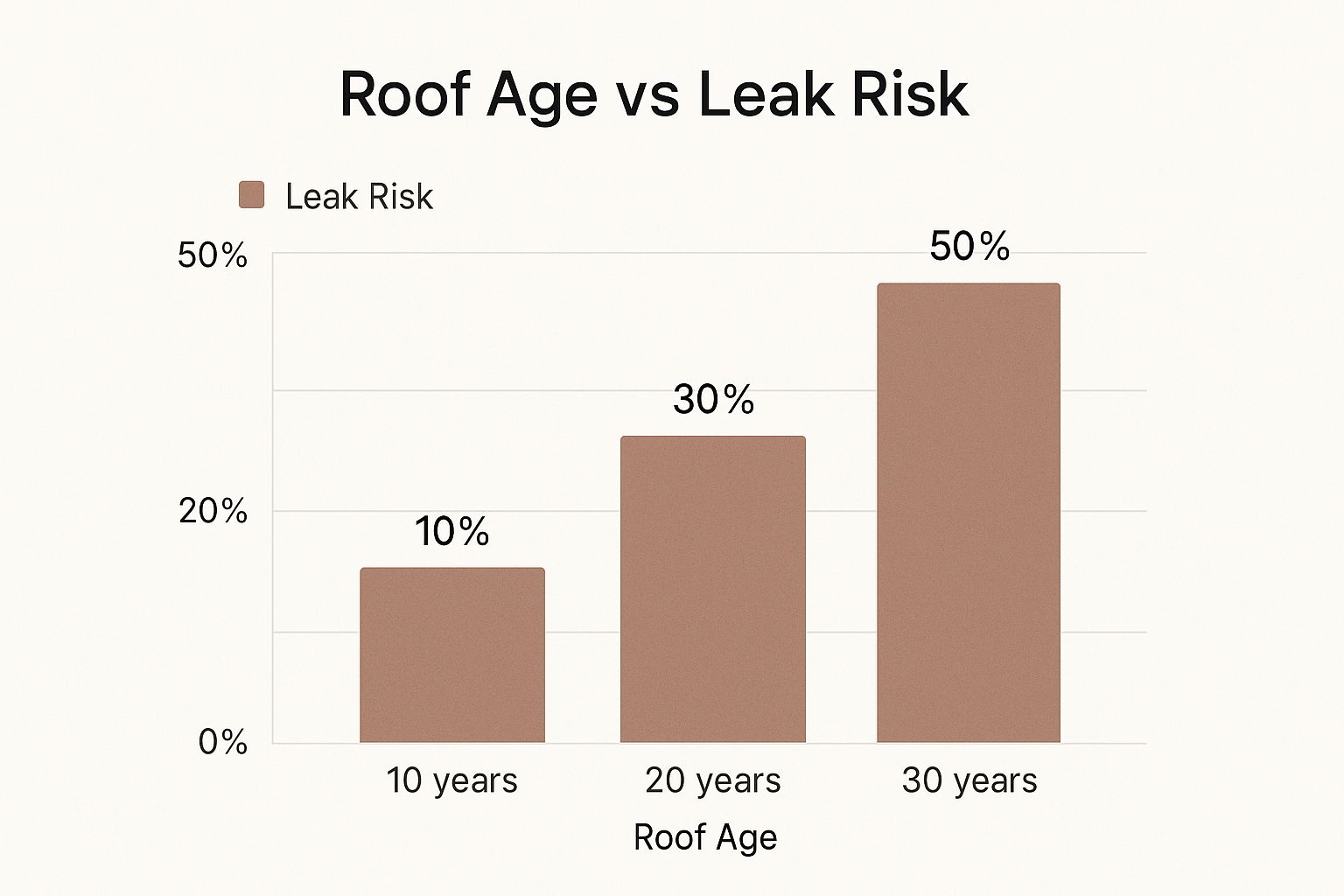
The data is pretty clear: a 30-year-old roof is a staggering five times more likely to spring a leak than a 10-year-old one. This is exactly why being proactive is so important. Understanding the different parts of your roof, like knowing what roof underlayment is and checking its condition, gives you a much better picture of your entire roofing system's health.
Seasonal Roof Replacement At a Glance
To help you start thinking about your own timeline, here's a quick look at the pros and cons of tackling a roof replacement during each of the four seasons.
| Season | Pros | Cons |
|---|---|---|
| Spring | Mild temperatures help shingles seal correctly. Contractors have more openings before the summer rush. | Unpredictable rain can cause project delays. Spring allergies can be tough on work crews. |
| Summer | Longer daylight hours mean more work can get done each day. Weather is often drier in most areas. | Extreme heat can damage shingles during installation and create unsafe working conditions. This is peak season, so contractors are busy. |
| Fall | Cool, stable weather is ideal for installation. Some contractors may offer end-of-season discounts. | Shorter days mean less working time. A sudden cold snap can prevent materials from adhering properly. |
| Winter | This is the off-season, so you might find better pricing and more scheduling flexibility. | Cold weather makes shingles brittle and easy to crack. Snow and ice create dangerous conditions and can halt work completely. |
Each season has its trade-offs, but this table should give you a solid starting point for weighing your options and deciding what works best for your situation.
How Weather Dictates Your Project's Success
When it comes to replacing a roof, weather isn’t just a small detail on the checklist—it's arguably the single most important factor that can make or break the entire project. Think of it this way: roofing materials, especially common ones like asphalt shingles, need the right conditions to cure and bond correctly. Stable, moderate weather is what you're after. It ensures every shingle, sealant, and underlayment performs exactly as intended from the moment it's installed.
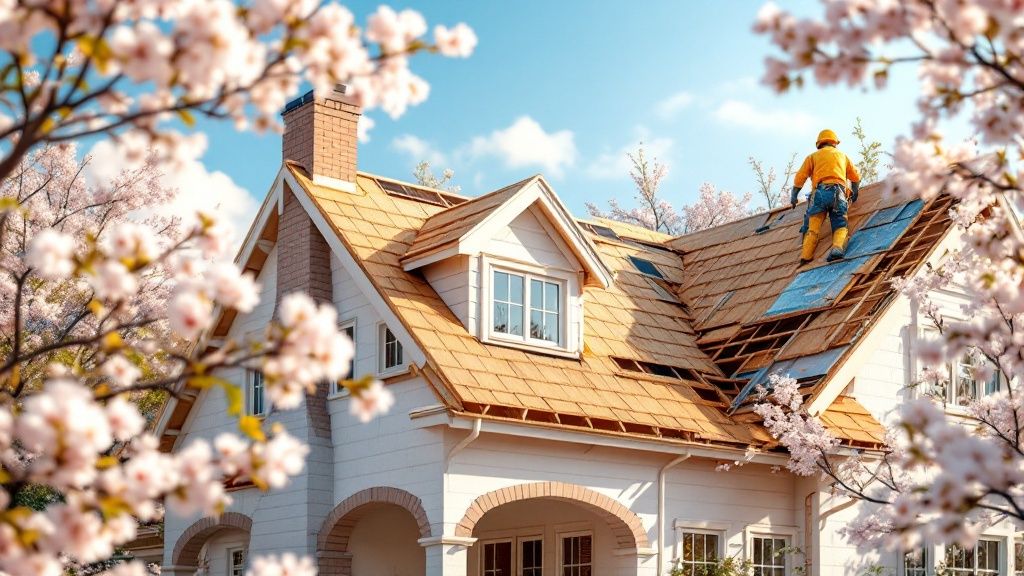
This is particularly critical for asphalt shingles. Most shingles have a built-in strip of thermal sealant. When the sun's warmth hits this strip, it activates and melts just enough to glue the shingles together, creating a seamless, water-resistant barrier across your entire roof. Without that proper seal, your brand-new roof is vulnerable from day one.
Why Temperature Extremes Are the Enemy
Both sweltering heat and biting cold can sabotage a new roof. In the middle of a summer heatwave, asphalt shingles can get so soft and gummy that they're easily damaged by the roofers just walking on them. Scuff marks aren't just ugly; they can compromise the shingle's protective granular surface.
On the flip side, trying to install a roof in the dead of winter is just as risky. Cold temperatures make the shingles rigid and brittle. Nailing them down when they're in this state can cause them to crack or even shatter, creating weak points that water will eventually find.
The goal is to find that "Goldilocks" season—not too hot, not too cold. This sweet spot ensures materials are flexible enough to work with and that the all-important sealants cure properly, forming the tough, unified shield your home needs.
More Than Just Temperature
It's not just about the numbers on the thermometer, either. Rain, snow, and even high winds can bring a roofing project to a dead stop. You simply can't work safely or effectively on a slippery, wet roof. Worse, installing new materials over a damp roof deck traps moisture, which is a recipe for mold, mildew, and rot down the road.
High winds are another major headache. They pose a serious safety hazard for the crew and can lift newly laid shingles before they’ve had a chance to seal down. An unexpected spring downpour or a gusty fall afternoon can easily throw your project timeline off by days, adding a lot of unnecessary stress to the process.
This is why the best time to replace a roof is so closely tied to your local climate. Industry data confirms that most projects are scheduled when the weather is most cooperative. In North America and Europe, you'll find that late spring and early fall are the peak seasons for roofers. The moderate temperatures and drier days create the ideal environment for materials to perform their best and for crews to work safely. You can discover more about roofing market trends to see just how much climate influences the industry's busiest times.
Ultimately, picking the right season is all about managing risk. By working with the weather instead of against it, you set the stage for a smooth, successful installation that will protect your home for years to come.
Learning to Read Your Roof's Warning Signs
Forget what the calendar says for a moment. The real best time to replace your roof is when it starts telling you it's tired. Your roof is your home's first line of defense against everything nature throws at it, but it's not invincible. Learning to spot the early warning signs of failure can save you from the headache and expense of a sudden, catastrophic leak.
Think of it like a routine health checkup for your house. You keep an eye on your own health to catch problems early, and your roof deserves the same attention. A little proactive assessment can stop a small issue from spiraling into a five-figure emergency. The first step is knowing what to expect from your specific roofing material.
Understanding Typical Roof Lifespans
Different materials are built to last for different amounts of time. Knowing the average lifespan for your roof type gives you a solid baseline for when you should start paying closer attention. It’s not a hard deadline, but more of a general heads-up that a replacement could be on the horizon.
Here’s a quick rundown of the most common materials:
- Asphalt Shingles: These are the workhorses of the roofing world and typically last 20-30 years. Their lifespan can swing a bit depending on the quality of the shingle and your local climate.
- Metal Roofs: Known for being incredibly tough, a metal roof can easily last 40-70 years—sometimes even longer, depending on the type of metal and its protective coating.
- Tile Roofs (Clay or Concrete): These are the champions of longevity. With proper care, a tile roof can last an astonishing 50-100+ years, though you might have to replace a cracked tile here and there.
This replacement cycle is a huge driver of the global roofing market, which was valued at a massive USD 129.62 billion in 2023. Much of the industry's projected growth comes from homeowners replacing roofs—especially those common asphalt shingle systems—as they hit the end of that 20 to 30-year warranty period. At that point, visible wear and tear starts to show, signaling it's time to upgrade before leaks and energy loss become a problem.
A Visual Checklist for Your Roof Inspection
While age is a great starting point, the visual signs of wear are your most reliable clues. The good news is you don't need to be a professional roofer to spot many of these red flags from the safety of the ground or from inside your home.
Catching problems early is everything. A few curling shingles might not seem like a big deal, but they're a clear signal that your roof's integrity is weakening, leaving it vulnerable to wind and water.
Keep an eye out for these common indicators:
- Curling or Clawing Shingles: Shingles that are curling up at the edges or buckling in the middle have reached the end of their useful life.
- Bald Spots: Look for dark patches where the protective granules have worn away. This is like a sunburn for your roof, exposing the sensitive layers underneath.
- Widespread Cracks: A few tiny cracks might be okay, but if you see them all over the place, it's a sign of systemic failure.
- Dark Streaks or Moss: While this is often just a cosmetic issue, a lot of algae or moss can trap moisture against the shingles and speed up their decay.
- Interior Water Stains: Don't forget to look up! Check your attic and ceilings for any discoloration or water stains—that's a smoking gun for an active leak.
Of course, a professional assessment is the only way to get the full picture. These days, many experts use advanced tools like drone roof inspection software to get a safe and incredibly detailed evaluation. If you spot any of the signs on this list, your next call should be to schedule professional roof inspections.
Balancing Cost with Contractor Availability
Let's talk about the two things that are probably top of mind for you: money and scheduling. The roofing world works on a classic supply-and-demand curve, and understanding how that affects you is key to getting the best value for your project.
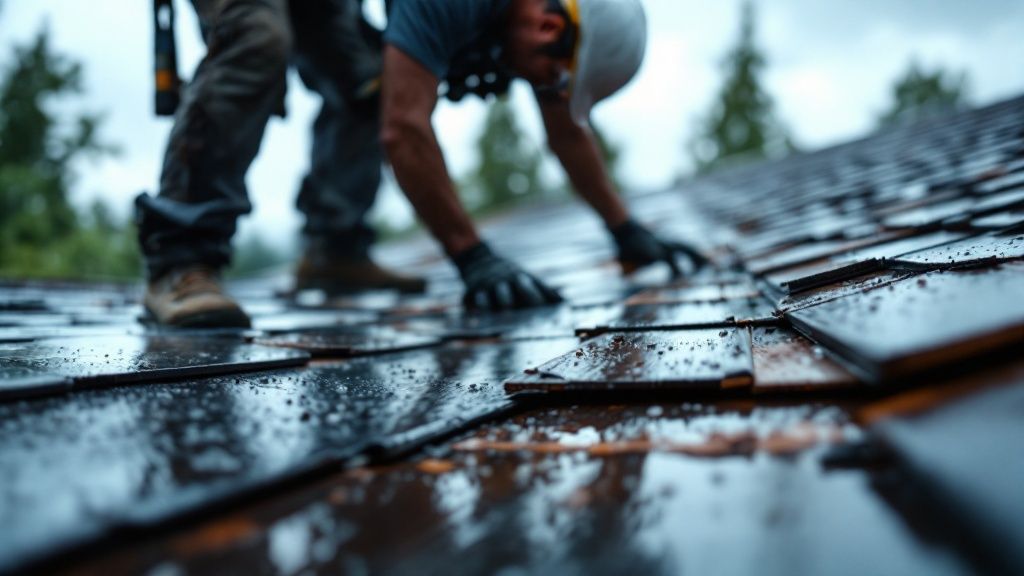
When the weather is beautiful in late spring and early fall, everyone wants to get their roof done. This is peak season. As a result, the best roofing crews get booked up months in advance. With a packed schedule, they have very little reason to negotiate on price. It’s a lot like trying to book a beach house in July—you’re going to pay a premium for those ideal conditions.
The Off-Season Trade-Off
So, does that mean you should aim for the off-season, like the dead of winter or the hottest part of summer, to save a buck? Maybe, but it’s a gamble. You’ll definitely find that contractors have more open slots in their calendars, and you might even snag a better price on labor as they work to keep their crews busy.
But those potential savings come with real risks. As we’ve already covered, extreme weather is no friend to a roof installation. A surprise snowstorm can shut your project down for days, and a blistering summer heatwave might mean the crew has to work shorter hours, dragging out the timeline. Any money you save upfront could quickly disappear if you're dealing with delays or, worse, installation problems down the road.
Smart Budgeting and Financial Planning
No matter when you decide to pull the trigger, getting your finances in order is a must. A new roof is one of the biggest investments you’ll make in your home, so you need a solid plan. For some homeowners, that means looking into financing. It's smart to explore all the angles, including understanding how much a cash-out refinance might cost if you're thinking about using your home's equity.
Here are a few practical steps to keep your budget on track:
- Get Multiple Detailed Quotes: Don't just glance at the bottom-line number. A good quote breaks down the costs for materials, labor, and warranties so you can see exactly what you're paying for.
- Understand What Drives the Cost: The final price tag is influenced by a lot of factors—the size and steepness of your roof, the materials you choose, and whether the old shingles need to be torn off.
- Build in a Cushion: A good rule of thumb is to set aside an extra 10-15% for the unexpected. You never know when a crew will pull off the old shingles and find rotted decking underneath.
The Value of a Reputable Contractor
While timing your project and finding a good price are important, they don't mean much if the work is shoddy. The single most important decision you'll make is choosing a skilled, reputable contractor. The lowest bid is almost never the best value in the long run.
A great contractor is more than just a roofer; they're your project partner. Their expertise is what ensures the job is done right the first time, protecting your investment and giving you the peace of mind that your home is secure, no matter what the weather throws at it.
A poorly installed roof can cause leaks, void your material warranties, and put you right back where you started, needing another replacement far too soon. It pays to do your homework and learn how to choose a roofing contractor by checking their credentials, talking to past clients, and looking at their work. This is how you turn a major expense into a long-term asset.
Creating Your Roof Replacement Game Plan
Knowing all the variables—from weather to warning signs—is one thing. But turning all that knowledge into a solid plan is where the rubber really meets the road. Deciding on the best time to replace your roof isn't about just picking a season; it's about crafting a smart strategy that turns a huge, intimidating project into something you can actually manage.
Think of it like planning a big road trip. You wouldn't just hop in the car and hope for the best. You'd map the route, check the engine, and budget for gas and hotels. Your roof deserves that same level of careful planning to make sure everything goes off without a hitch.
Your Step-by-Step Project Checklist
To pull it all together, here’s a simple checklist to walk you through it. Follow these steps, and you’ll stay organized and avoid that last-minute panic when a leak finally forces your hand.
-
Assess Your Roof's Current Condition: First things first, take a walk around your house. From the ground, look for those obvious red flags we talked about—curling shingles, dark streaks, or granules in your gutters. This first pass will tell you how urgently you need to act.
-
Establish a Realistic Budget: Start poking around to see what materials and labor cost in your area. And here’s a pro tip: always build in a contingency fund of 10-15%. You never know if the crew will uncover rotten decking that needs to be replaced, and it’s better to have the cash on hand.
-
Research and Vet Contractors: This is the most important part of the whole process, so don’t rush it. Find at least three reputable, licensed, and insured roofers. Read their reviews, call their references, and make sure they have a good reputation right here in our community.
A proactive plan is always better than a reactive repair. The goal is to replace your roof on your terms—not in a frantic rush in the middle of a storm. A new roof is a powerful investment in your home's safety and long-term value.
Making the Final Call
Once you have a few quotes in hand, it’s decision time. It's tempting to just go with the cheapest option, but resist that urge. The quality of the installation is what truly determines how long your new roof will last.
Before you sign on the dotted line, read that contract. Every single word. A good, detailed contract protects you just as much as it protects the contractor. It's always a good idea to arm yourself with some essential contract review tips for homeowners before you commit.
Finally, get it on the calendar. If you’re shooting for a popular season like fall, you'll need to book your roofer months ahead of time. By following this simple game plan, you can tackle this project with confidence, knowing your home will be protected for years to come.
Answering Your Top Questions About Roof Replacement
Deciding to replace your roof is a big step, and it's natural to have a ton of questions. To help you feel more confident, I've pulled together some answers to the most common things homeowners ask when trying to nail down the timing for their project.
Can I Replace My Roof in the Winter?
Technically, yes, but it’s rarely a good idea. While you might find a contractor with an open schedule or even a slightly lower price, the cold weather itself creates some serious problems. Asphalt shingles, for example, get brittle in the cold and can easily crack or break when they're being nailed down.
The bigger issue, though, is the sealant. Shingles have a thermal sealing strip that needs the sun's warmth to activate and glue the shingles together, creating a waterproof barrier. In the dead of winter, that seal might not set properly, leaving your brand-new roof vulnerable to leaks and potentially voiding your warranty. For these reasons, we almost always recommend saving winter replacements for true emergencies only.
How Far in Advance Should I Plan My Replacement?
The earlier, the better. If you’re targeting the sweet spot—late spring or early fall—you’ll want to start the process three to six months ahead of time. That might sound like a lot, but it gives you the breathing room to do your homework, get multiple quotes without being rushed, and book a spot with a contractor you actually trust.
If you're rolling the dice on a summer or winter project, you can probably get away with a shorter lead time of one or two months since demand is lower.
A good rule of thumb: The best contractors are always booked solid during the best weather. Planning ahead is the only way to get on their calendar without having to wait an entire season.
Does My Local Climate Change the Best Time for a New Roof?
It absolutely does. That "late spring, early fall" advice is really geared toward places with four distinct seasons. Your local weather patterns are what truly dictate the ideal timing.
- Hot Climates: Down in Florida or Arizona? The blistering summer sun can be just as difficult to work with as a blizzard. High heat can make shingles too soft and susceptible to damage during installation. In these areas, the prime window is usually late fall through early spring.
- Rainy Regions: If you're in an area known for a heavy rainy season, like the Pacific Northwest, the goal is simple: schedule the work for the driest part of the year to minimize delays and protect your home's interior during the project.
Always think locally. What works in Ohio might be a terrible idea in Texas.
Is It Really Cheaper to Replace a Roof in the Off-Season?
Sometimes, but you have to be careful. A roofing company might offer a discount during the dead of winter or the dog days of summer just to keep their crews busy. You could see some savings on the labor side of the invoice.
But you have to weigh that potential discount against the very real risks. Any money you save could evaporate in a flash if the project is hit with constant weather delays. Even worse, if the extreme temperatures lead to a botched installation, you could be facing far more expensive repairs down the road. It's a classic trade-off between a possible lower price and the peace of mind that comes with installing a roof in ideal conditions.
When you’re ready to protect your home with a high-quality roof installed at the right time, trust the experts at Penn Ohio Roofing & Siding Group. Contact us today for a free, no-obligation estimate and let us put our 25 years of experience to work for you.