
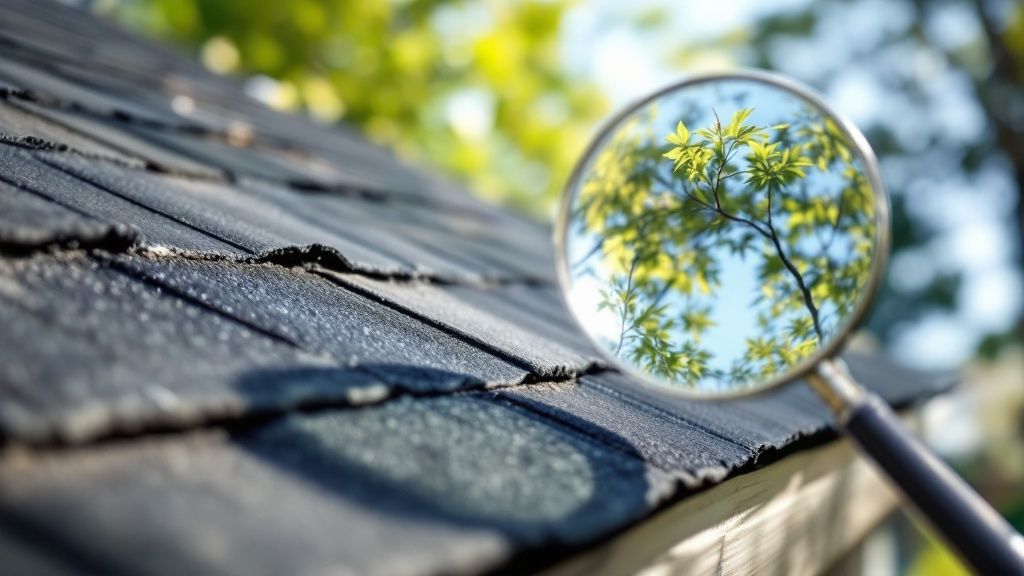
Your roof is your home's first line of defense against the elements, a silent guardian that works tirelessly day and night. However, this constant exposure means that wear and tear are inevitable, and damage often begins subtly. A single cracked shingle or a few displaced granules might seem insignificant, but these are often the first whispers of a much larger, more expensive problem looming on the horizon. Ignoring these early warnings can lead to severe issues like structural decay, pervasive mold growth, and ultimately, costly emergency repairs that disrupt your life and drain your savings.
This guide is designed to empower you by detailing the most critical signs of roof damage that every property owner should recognize. We will move beyond the obvious and provide a clear, actionable checklist to help you assess your roof's condition with confidence. By learning to spot these crucial indicators early, you can take proactive steps to protect your property, ensure your family’s safety, and make informed decisions about maintenance and repairs. Let's get straight to the point and decode what your roof is trying to tell you before a minor issue escalates into a major catastrophe.
1. Missing or Damaged Shingles
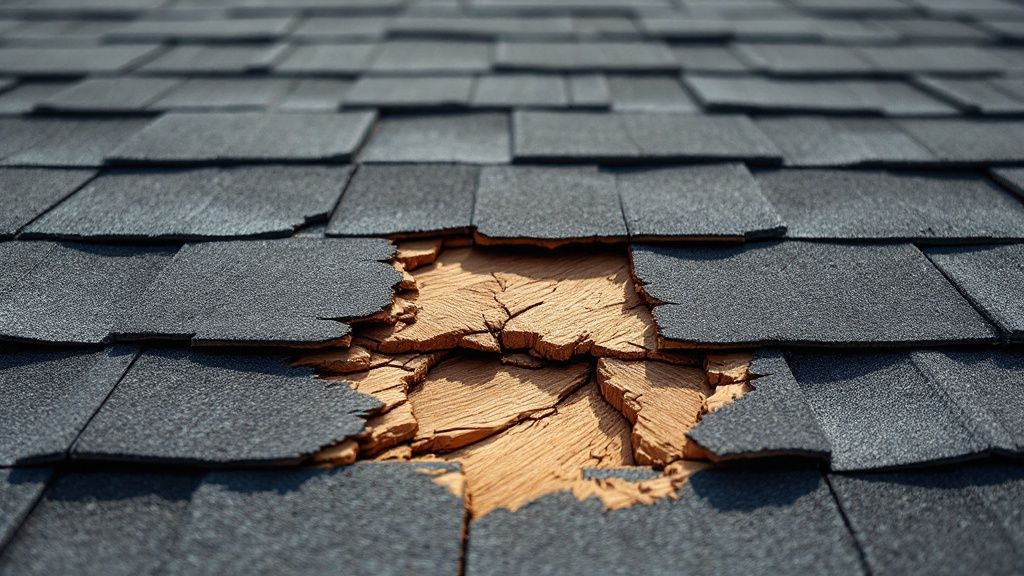
Missing or damaged shingles are one of the most visible and urgent signs of roof damage. Your shingles act as the primary shield against the elements, and when they are compromised, your home's entire structure is at risk. This damage isn't just cosmetic; it's a critical failure in your roof's protective barrier, leaving the underlying materials exposed to moisture, UV rays, and physical impact.
Damage can manifest in several ways: shingles might be completely missing after a storm, or they could be cracked, curled at the edges, or cupping in the middle. These issues often stem from high winds, hail, fallen debris, or simply the natural aging process of the roofing materials. Poor installation can also lead to premature shingle failure.
Why It's a Critical Sign
A single missing shingle can be the entry point for significant water damage. Water that seeps beneath the shingles can rot the roof decking, saturate insulation, and eventually lead to leaks inside your home, causing stains on ceilings and walls.
For example, after significant weather events like hurricanes or severe hailstorms, homeowners often discover widespread shingle damage. A hailstorm in Texas can leave behind a pattern of cracked or "bruised" shingles that, while not immediately obvious from the ground, have lost their protective granule coating and structural integrity, accelerating the roof's decay.
What You Can Do
Immediate action is key to preventing minor shingle issues from escalating into major structural problems. A proactive approach helps you catch damage early and minimize repair costs.
- Conduct Regular Visual Inspections: Twice a year (in the spring and fall), use binoculars to safely inspect your roof from the ground. Look for shingles that are lifting, curling, cracked, or have fallen off completely.
- Check After Storms: Always perform a visual check after any severe weather event involving high winds, heavy rain, or hail.
- Document Everything: If you spot damage, take clear, dated photographs from multiple angles. This documentation is crucial for insurance claims and for your roofer to assess the extent of the problem.
- Don't Delay Repairs: Even one missing shingle should be addressed promptly. A professional roofing contractor can quickly replace it and inspect the surrounding area to ensure no further damage has occurred.
2. Water Stains and Leaks
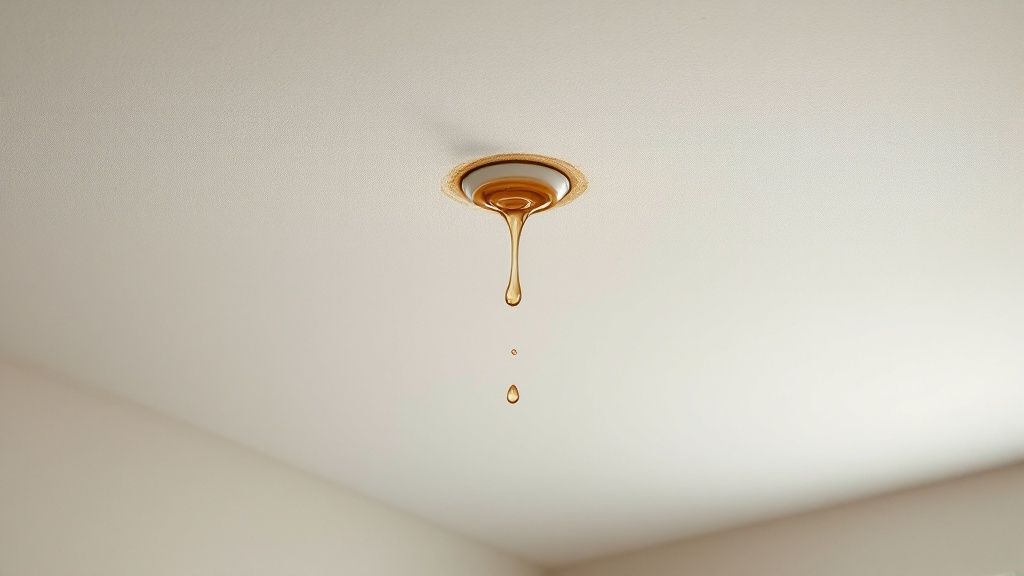
Water stains and active leaks are among the most definitive and alarming signs of roof damage. When you see a discolored patch spreading across your ceiling or find water dripping into your living space, it's a clear signal that your roof's protective barrier has been breached. This is not a cosmetic issue; it's an active failure that demands immediate attention to prevent widespread structural harm.
These signs manifest as brownish or yellow rings on ceilings and walls, peeling paint near roof lines, or damp spots that appear after rainfall. The cause is often a compromised underlayment, failed flashing around vents or chimneys, or clogged gutters that force water back under the roof's edge. Once water gets in, it can travel far from the original entry point, making the source difficult to pinpoint without a professional inspection.
Why It's a Critical Sign
A seemingly small leak can cause catastrophic damage over time. Water intrusion saturates attic insulation, reducing its effectiveness and promoting mold and mildew growth. It can also rot wooden roof decking, joists, and wall framing, compromising your home's structural integrity. To gain a deeper insight into the various facets of water damage that can result from roof issues, explore this resource on understanding water damage.
For example, homeowners in rainy climates like Seattle frequently discover slow leaks that have silently caused extensive wood rot in their attics for months. Conversely, residents in hurricane-prone regions like Florida often face sudden, severe leaks after storms overwhelm their roofing systems, leading to immediate and significant interior damage.
What You Can Do
Your immediate response to a leak can significantly limit the resulting damage and repair costs. A swift and methodical approach is crucial.
- Contain the Water Immediately: Place buckets or waterproof containers directly under drips to catch the water and protect your floors and belongings.
- Protect Your Valuables: Move furniture, electronics, and any other valuable items away from the affected area to prevent them from being ruined.
- Alleviate Water Pressure: If a bulge is forming on the ceiling, carefully puncture the center with a small tool to allow the trapped water to drain in a controlled way.
- Contact a Professional Promptly: Call a qualified roofing contractor within 24-48 hours. They can perform an emergency tarping to stop the leak and then conduct a thorough assessment to find the source and recommend a permanent repair.
3. Sagging Roof Areas
A sagging roof is one of the most alarming signs of roof damage, indicating a severe, underlying structural problem. Unlike more cosmetic issues, a dip, bow, or curve in your roofline points directly to a failure in its support system. This is not just a sign of wear and tear; it's a critical warning that your roof's structural integrity is compromised and could be at risk of collapse.
This dangerous condition often results from prolonged exposure to moisture that has rotted the decking or support rafters, the strain of excessive weight from accumulated snow and ice, or simply inadequate structural design from the outset. A sagging roof is a clear signal that the framework holding everything up is weakening.

Why It's a Critical Sign
A sagging roof is a direct threat to the safety of your home and its occupants. The issue goes far beyond a potential leak; it signifies that the core structure is failing. If the underlying rafters or decking give way, a partial or complete roof collapse could occur, causing catastrophic damage to your property and posing an immediate danger.
For example, older homes in snow-heavy regions like Minnesota or the Northeast often experience roof sagging after years of bearing heavy snow and ice loads. The constant weight stresses the structural timbers, and if combined with even minor water intrusion, it can lead to the pronounced dip that signals imminent failure. Ignoring it can have devastating consequences.
What You Can Do
A sagging roof requires an immediate and serious response. This is not a DIY repair situation; it demands professional assessment to ensure the safety of everyone in the building. Your first priority should be safety, followed by a swift, professional evaluation.
- Prioritize Safety First: If you notice significant or sudden sagging, evacuate the area directly beneath it immediately. Cordon it off to prevent anyone from entering the space.
- Document from a Distance: Safely take clear photographs of the sagging area from multiple angles on the ground. This documentation will be essential for your insurance claim and for the professionals who will assess the damage.
- Contact a Professional Immediately: Do not wait. You should contact a qualified roofing professional or a structural engineer right away. They have the expertise to safely diagnose the root cause and determine the necessary structural repairs.
- Avoid Adding Weight: Do not walk on the roof or place any materials on or near the sagging section, as this could trigger a collapse.
4. Granule Loss on Asphalt Shingles
Often overlooked, granule loss on asphalt shingles is a subtle yet significant sign of roof damage. These tiny, sand-like mineral granules are the outermost layer of your shingles, designed to protect the underlying asphalt from damaging UV rays and harsh weather. When they begin to wash away, it signals that your roof's aging process is accelerating and its protective capabilities are diminishing.
This deterioration can be caused by a variety of factors, including normal wear and tear over many years, hail impacts that knock the granules loose, heavy rain, or even improper pressure washing. The exposed asphalt is vulnerable to cracking and breaking down, which shortens the lifespan of your entire roofing system and leaves your home susceptible to leaks.
Why It's a Critical Sign
Excessive granule loss is a clear indicator that your shingles are nearing the end of their functional life. Without this protective coating, the sun's radiation directly bakes the asphalt, making it brittle and weak. This leads to cracking, curling, and eventually, water intrusion that can damage your roof deck and the layers beneath.
For instance, homes in high-sun states like Arizona and Nevada often experience accelerated granule loss due to intense, year-round UV exposure. Similarly, coastal properties face granule erosion from abrasive salt air and persistent high winds. In both cases, the loss of this protective layer is a direct countdown to more severe roof failures.
What You Can Do
Monitoring for granule loss is a proactive step that can help you plan for future roof maintenance or replacement before a major leak occurs. Keeping an eye on your gutters is the easiest way to track this issue.
- Check Gutters and Downspouts: Regularly inspect your gutters for an accumulation of black, sand-like material. Finding a large volume of these granules is a primary warning sign.
- Document Over Time: If you notice patches of granule loss on the roof itself, take photos periodically to track the rate of deterioration. This documentation is useful when consulting with a roofing professional.
- Clean Gutters Frequently: Keeping your gutters clear prevents granule buildup from causing clogs, which can lead to water backing up under your shingles and causing further damage.
- Assess the Extent: While some granule loss is normal, especially on a new roof, widespread or patchy "balding" on the shingles indicates it's time to consult with a professional roofer for an assessment.
5. Damaged or Missing Flashing
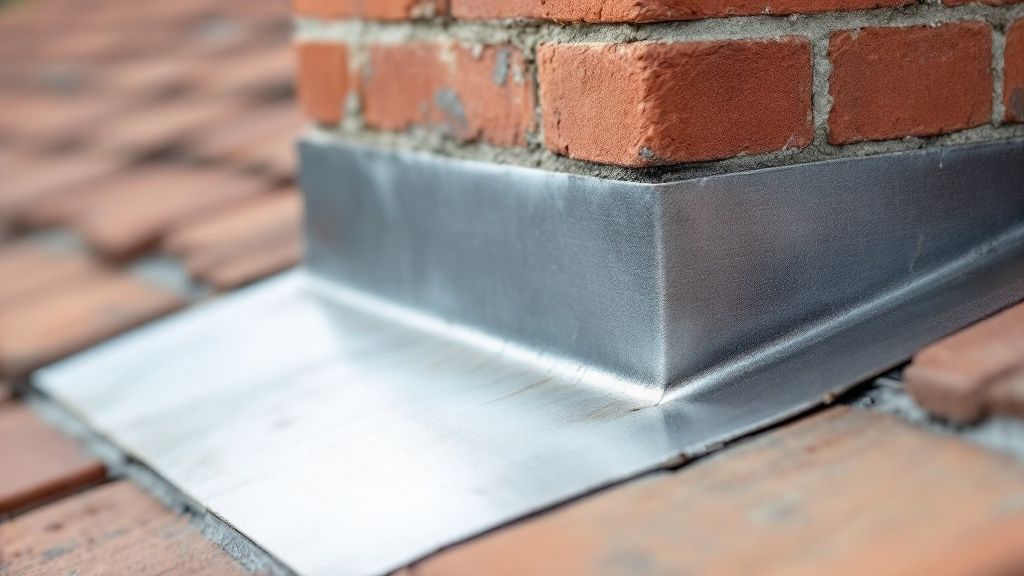
Damaged or missing flashing is another critical and often overlooked sign of roof damage. Flashing consists of thin pieces of metal installed around interruptions in the roof's surface, such as chimneys, vents, skylights, and valleys. Its sole purpose is to direct water away from these vulnerable seams, preventing it from seeping into the roof structure.
When this metal barrier is compromised, it creates a direct pathway for water infiltration. Damage can include rust, corrosion, cracks, or sections that have become loose or bent due to high winds, thermal expansion, or improper installation. If flashing fails, it doesn't matter how good your shingles are; your home is exposed to leaks and moisture damage.
Why It's a Critical Sign
Flashing protects the most leak-prone areas of your roof. A failure here is not a minor issue; it's a direct threat to your home's structural integrity. Water entering through failed flashing can lead to rotted roof decking, damaged attic insulation, and serious leaks that stain interior ceilings and walls.
For instance, historic homes in areas like New England often have original brick chimneys that settle over time, creating gaps where the old flashing no longer provides a watertight seal. This slow, persistent water entry can cause extensive rot in the surrounding wood framing before any visible leak appears inside the home. Similarly, homes in tornado-prone areas frequently suffer from flashing being lifted or torn away by intense winds, immediately exposing the roof deck.
What You Can Do
Proactively inspecting and maintaining your flashing is essential for preventing some of the most destructive types of roof leaks. A little vigilance can save you from costly and complex repairs down the road.
- Perform Annual Inspections: At least once a year, carefully examine the flashing around all roof penetrations. Look for signs of rust, corrosion, or any sections that appear loose, bent, or detached.
- Check Sealants: The caulk or sealant used to secure flashing edges can dry out and crack over time. Ensure these seals are intact and pliable. If they are cracking or peeling, they need to be replaced.
- Document Any Issues: If you spot potential problems like gaps or rust stains on your siding, take clear photos to show a professional roofing contractor.
- Seek Professional Repair: Flashing installation and repair is a precise job that requires expertise. If you notice any damage, contact a qualified roofer to assess the situation and perform the necessary repairs to ensure a durable, watertight seal.
6. Gutter and Downspout Issues
Your gutter system is an essential extension of your roof, and its condition is one of the most direct signs of roof damage. Gutters and downspouts are designed to channel water safely away from your home, but when they fail, that water is forced back onto the roof and against its most vulnerable components. This isn't just a minor drainage problem; it's a critical issue that can compromise your entire roofing system.
Issues can range from clogs caused by leaves and debris to gutters pulling away from the fascia boards due to the weight of trapped water or improper installation. Damaged, bent, or disconnected downspouts can also prevent water from being directed away from your home's foundation. These problems create a domino effect, turning rainwater from a manageable element into a destructive force.
Why It's a Critical Sign
When gutters are clogged, rainwater has nowhere to go but over the edge, saturating the fascia boards and soffits, leading to rot and decay. In colder climates, this backup can freeze, creating destructive ice dams that force water up underneath the shingles. This trapped moisture can rot the roof decking, destroy insulation, and cause significant leaks inside your home.
For example, homeowners in the Pacific Northwest frequently deal with gutters clogged by heavy leaf and needle debris from surrounding trees. If left uncleaned, the constant overflow can cause fascia rot within a single rainy season. Similarly, homes in northern states that experience heavy snowfall can see severe roof damage from ice dams that form in poorly maintained gutters. Properly functioning gutters, soffits, and fascia are crucial for protecting your roof's integrity in these conditions.
What You Can Do
Proactive gutter maintenance is one of the most effective ways to protect your roof and prevent costly, widespread damage. Keeping your drainage system clear and functional is key.
- Clean Gutters Regularly: At a minimum, clean your gutters twice a year, once in the spring and again in the late fall after most leaves have fallen.
- Install Gutter Guards: Consider installing gutter guards to significantly reduce the amount of leaves, twigs, and other debris that can cause clogs.
- Check for Proper Slope: Ensure your gutters are sloped correctly toward the downspouts to promote efficient water flow and prevent standing water.
- Extend Downspouts: Make sure your downspouts discharge water at least six feet away from your home's foundation to prevent basement flooding and foundation damage.
7. Interior Ceiling and Wall Damage
While many signs of roof damage appear on the exterior, some of the most critical clues present themselves inside your home. Water stains, peeling paint, or discoloration on your ceilings and walls are often the first indicators a homeowner notices, signaling that a roof leak has already breached multiple layers of protection. This interior damage is a direct result of water infiltration and can reveal hidden roof problems that are not yet visible from the outside.
These symptoms can appear as subtle, yellowish-brown rings on drywall, long streaks running down walls, or bubbling and peeling paint near corners where walls and ceilings meet. The damage often points to a persistent, slow leak that has been saturating building materials over time. Ignoring these signs allows moisture to cause extensive rot, structural decay, and hazardous mold growth within your home’s framework.
Why It's a Critical Sign
Interior damage means water has successfully bypassed your shingles, underlayment, and roof decking. At this stage, the problem is no longer just a potential roof issue; it's an active threat to your home's interior integrity, air quality, and structural stability. The visible stain is often just the tip of the iceberg, with far more widespread moisture hidden within the attic or wall cavities.
For instance, ranch-style homes with low-slope roofs frequently develop subtle leaks along exterior wall-ceiling joints that go unnoticed until a prominent stain appears. By the time this happens, the attic insulation is likely soaked and compressed, and the roof decking may have begun to delaminate or rot, turning a simple repair into a much larger project.
What You Can Do
Catching interior damage early is crucial for mitigating costly repairs. A proactive inspection routine can help you identify problems before they escalate. A comprehensive approach involves regular checks and prompt action when issues are found. To learn more about how professionals identify these issues, you can discover the benefits of thorough roof inspections.
- Perform Monthly Interior Checks: Use a bright flashlight to inspect ceilings and the top corners of walls in every room, especially after heavy rain. Pay close attention to areas beneath chimneys, skylights, and vents.
- Monitor Known Problem Areas: If you have an older roof or have had previous repairs, keep a close eye on the interior spaces directly below those spots.
- Document and Track Changes: When you first spot a stain, take a dated photograph. Check it again after the next rainstorm to see if it has grown, which confirms an active leak.
- Address Mold Immediately: If you see dark, fuzzy spots accompanying a water stain, do not touch them. Contact a professional for immediate assessment, as this could be mold that poses a health risk.
7 Signs of Roof Damage Comparison
| Issue / Damage Type | Implementation Complexity 🔄 | Resource Requirements ⚡ | Expected Outcomes 📊 | Ideal Use Cases 💡 | Key Advantages ⭐ |
|---|---|---|---|---|---|
| Missing or Damaged Shingles | Low – straightforward repairs | Moderate – materials and labor | Prevents water infiltration, stops deterioration | Early signs of weather damage | Easy to identify; often repairable |
| Water Stains and Leaks | High – requires professional help | High – emergency intervention | Stops water damage, mold, and health risks | Active leaks, visible staining | Clear indication for urgent action |
| Sagging Roof Areas | Very High – structural evaluation | Very High – structural repairs | Prevents collapse, restores integrity | Serious structural concerns | Visible warning; targeted problem areas |
| Granule Loss on Asphalt Shingles | Moderate – monitoring and planning | High – eventual roof replacement | Slows roof aging, informs replacement timing | Aging roofs with UV/weather exposure | Easy to track progression |
| Damaged or Missing Flashing | Moderate – requires professional | Moderate – repair or replace metal | Prevents leaks at joints, protects structure | Flashing inspection or storm damage | Relatively inexpensive; targeted repair |
| Gutter and Downspout Issues | Low to Moderate – maintenance | Low – cleaning and minor fixes | Maintains drainage, prevents water damage | Seasonal maintenance or clogs | Prevents expensive structural damage |
| Interior Ceiling and Wall Damage | Moderate – combined interior & roof repair | Moderate to High – repair costs | Early detection of roof failure | Detecting hidden roof issues | Early warning signs before exterior damage |
Your Next Steps to a Secure and Healthy Roof
Navigating the complexities of home maintenance can feel overwhelming, but by familiarizing yourself with the key signs of roof damage, you have already taken the most significant step toward protecting your investment. The issues we've explored, from the obvious missing shingles to the subtle granule loss in your gutters, are not just isolated problems. They are critical communications from your home, signaling a need for attention before small concerns escalate into catastrophic failures. Recognizing these indicators early transforms you from a reactive homeowner into a proactive guardian of your property's structural integrity and value.
The journey from detection to resolution requires a clear and strategic plan. Your newfound knowledge empowers you to conduct regular, informed visual inspections from the ground and to understand what you're seeing inside your attic. This routine is your first line of defense, but it's essential to recognize its limitations. While you can spot a cracked shingle or a new water stain on the ceiling, a comprehensive assessment often requires a professional eye that can identify less obvious, underlying issues.
Creating Your Roof Health Action Plan
Once you've identified potential signs of roof damage, the next crucial step is to connect with reputable professionals for a thorough assessment and repair. This is especially true after a significant weather event, as the process often involves insurance claims and requires specific documentation. Navigating this can be complex, and finding qualified storm damage repair contractors who are experienced with these procedures is vital to ensuring a smooth and successful restoration process. An expert can confirm your suspicions, uncover hidden damage, and provide a detailed roadmap for necessary repairs or replacement.
Here are the actionable steps to take now:
- Document Everything: Take clear photos and notes of any potential damage you've identified. Date your findings to create a timeline, which is incredibly useful for insurance purposes and for tracking the issue's progression.
- Schedule a Professional Inspection: Do not delay. What appears to be a minor issue on the surface could be masking more significant problems within the roof structure. An expert evaluation provides a definitive diagnosis and prevents costly future surprises.
- Review Your Homeowner's Insurance Policy: Understand your coverage for roof damage, particularly relating to weather events, age, and wear. Knowing your policy details beforehand helps you prepare for conversations with your insurer and your contractor.
Ultimately, your roof is more than just a component of your house; it is the primary shield that protects your family, your belongings, and your peace of mind. Investing in its health is a direct investment in your home's longevity and safety. By staying vigilant and acting decisively when you spot trouble, you ensure that this essential shield remains strong, secure, and ready to handle whatever nature throws its way.
Don't let uncertainty about your roof's condition turn into a costly emergency. The experienced, family-owned team at Penn Ohio Roofing & Siding Group has been providing honest assessments and expert solutions for over 25 years. Schedule your free, no-obligation estimate today to ensure your home is protected by a roof you can trust.