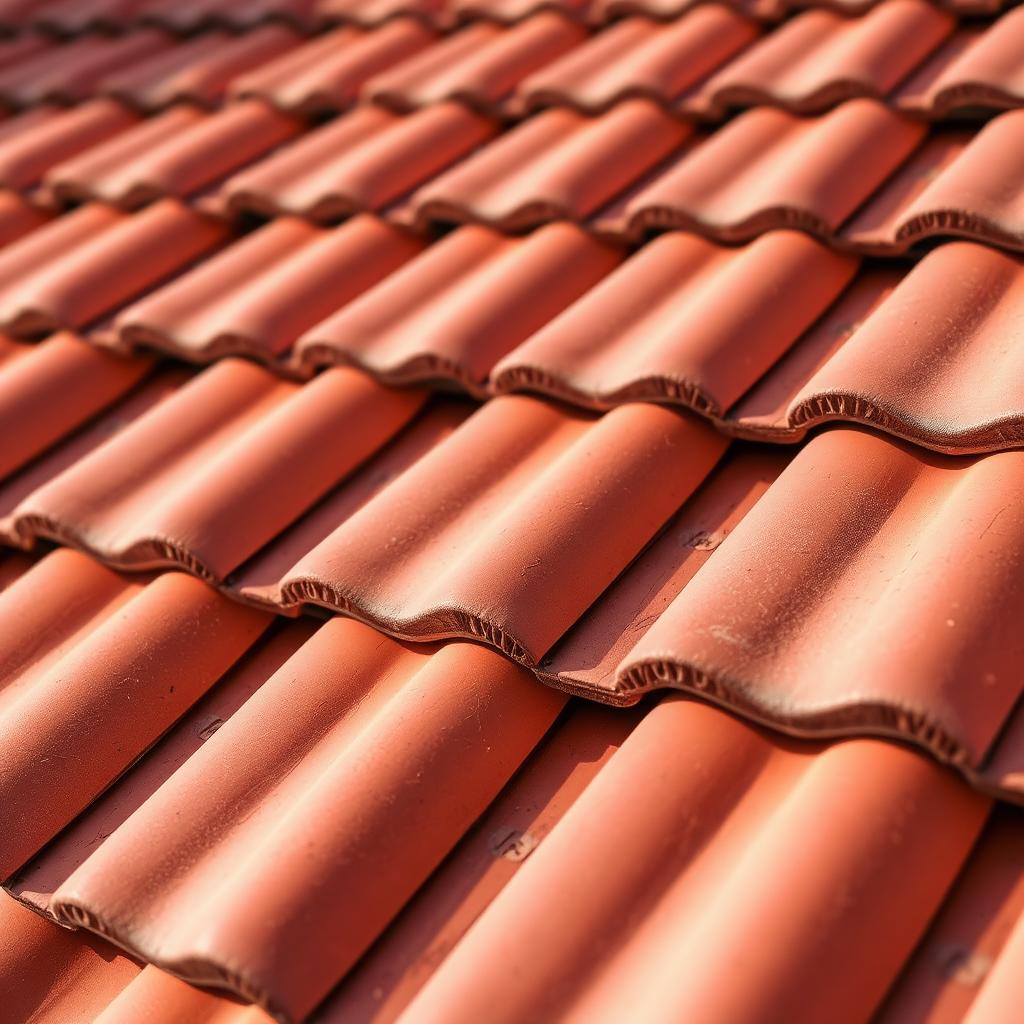
Key Components of a Slate Installation
Several factors contribute to the success of a slate roof installation. First of all, the “headlap” – or the place where the slate tile’s head is overlapped above – must be properly sized. The level of offset is also key since it will affect how well the slate can withstand heavy rain and wind. If these two elements are not accounted for, water can begin to leak into the side joints and even the tiniest nail holes. Another element to consider is how to make sure moisture migrates properly. To keep water from escaping into the cracks between shingles, the tiles must be installed tightly. A steeper slope is also key for helping a top layer drip water onto lower shingles before it goes into the gutters.
Types of Slate Roofs
Residents sometimes imagine that a slate roof only comes in one primary color and look. This may cause potential clients to hesitate because they are worried if the slate will match the rest of the home’s style. The great news is that slate installations are now extremely varied. With so many cutting-edge advances in roofing technology, there are more options than ever before.
A few of the many options available to residents include roofs with:
- Patterned slate
- Textured slate
- Blended or multi-coloured slate
- Staggered butt or hang-down slate
- Graduated length slate
To discover which kind of slate would best fit your building’s unique style and architecture, arrange a consultation with our team. Our experts at Penn Ohio Roofing & Siding Group are ready to help residents find the best option for their slate roofs.