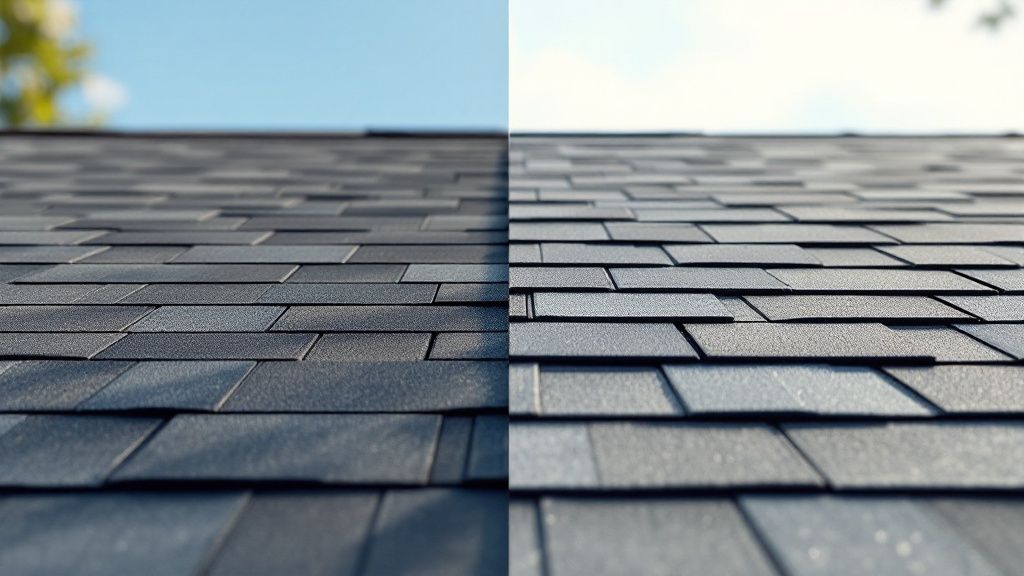
When you're trying to decide between three-tab vs. dimensional shingles, it really boils down to one thing: are you prioritizing upfront cost or long-term performance? Three-tab shingles are the classic, no-frills option that gets the job done on a budget. Dimensional shingles, on the other hand, are the modern go-to for homeowners who want a roof that looks better and lasts longer.
Choosing Your Shingles A Quick Comparison
Picking the right shingle is a balancing act between what you want your roof to look like, how much you want to spend, and how long you expect it to last. While they both fall under the umbrella of asphalt shingles, they are worlds apart in terms of how they're made and how they perform.
Let's start with a quick side-by-side to get the basics down. This table cuts right to the chase, highlighting the key differences you'll want to consider from the get-go.
Three-Tab vs. Dimensional Shingles At a Glance
| Feature | Three-Tab Shingles | Dimensional Shingles |
|---|---|---|
| Average Lifespan | 15-20 years | 25-30+ years |
| Wind Resistance | Typically rated up to 60 mph | Often rated for 110-130 mph |
| Appearance | Flat, uniform, single-layer look | Textured, multi-dimensional look |
| Initial Cost | Lower | Higher (often 20-40% more) |
| Warranty | Shorter-term, basic coverage | Longer-term, more extensive |
As you can see, the trade-offs are pretty clear. You get what you pay for—a longer life and tougher roof with dimensional shingles comes with a higher initial price tag.
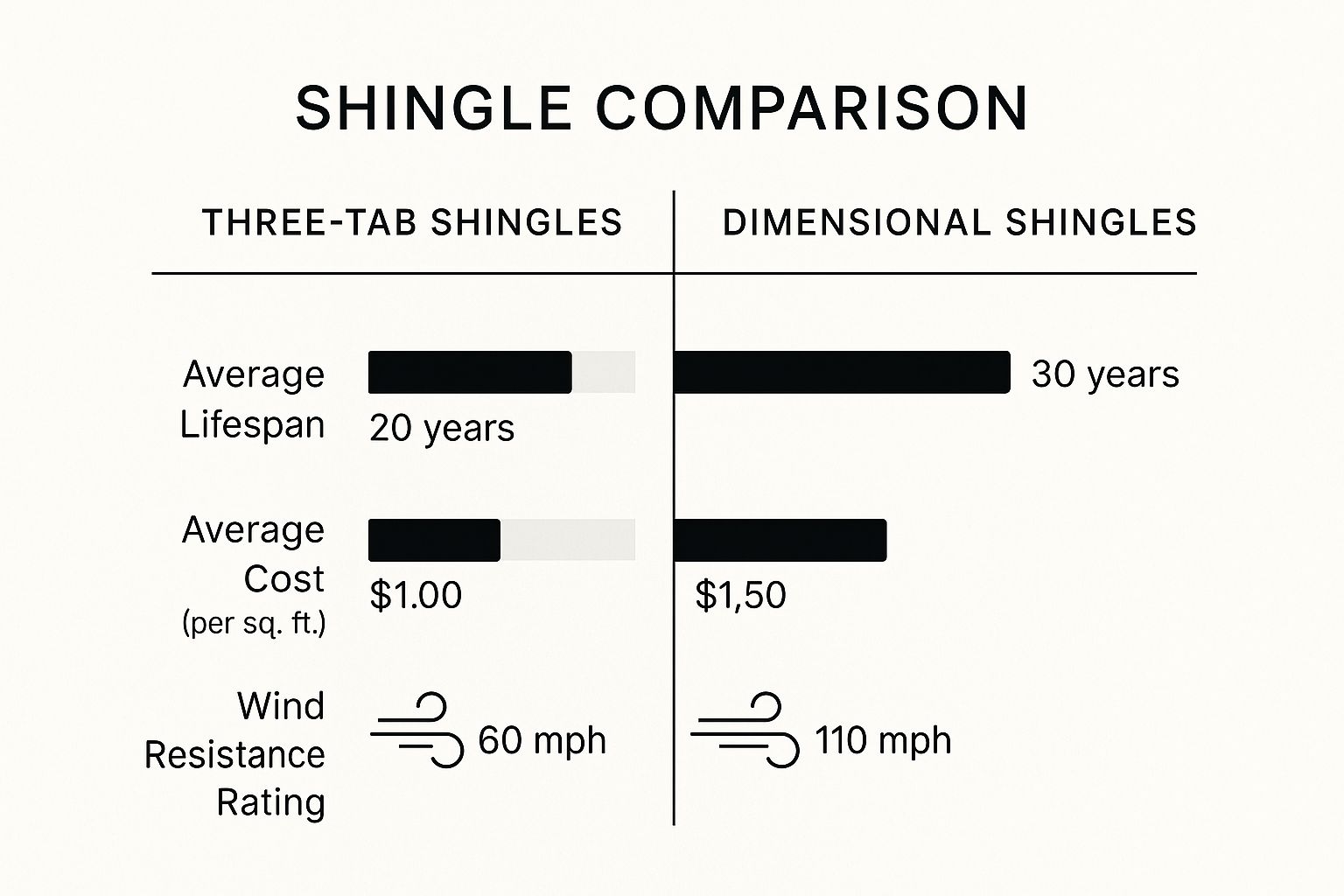
The numbers show that dimensional shingles represent a significant step up in durability and weather resistance for a relatively moderate increase in cost. If you want to get into the nitty-gritty, you can learn more about what makes up a quality asphalt shingle roof. Having this background will make the rest of your decision-making process much smoother.
Understanding Three-Tab Shingles: The Classic Choice
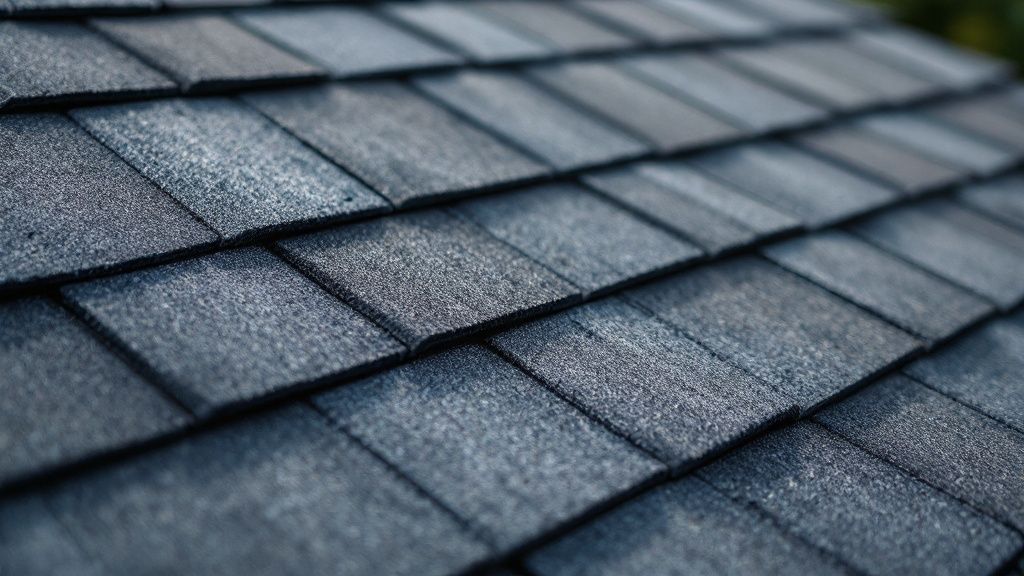
For a long time, three-tab shingles were just what a roof looked like. For decades, they were the standard choice, covering homes all over the country because they were straightforward and, most importantly, affordable. Look at a house built before the early 2000s, and chances are you're looking at a roof made of three-tab shingles.
The name comes from how they're made: each shingle is a single, flat piece of asphalt cut into three distinct "tabs." When they're installed, they create a very clean, repetitive pattern. It’s a no-nonsense look that gets the job done without any fancy textures or dimensions.
The biggest reason for their popularity has always been the low price tag. For anyone on a tight budget—whether for a new build, a flip, or a rental property—the cost-effectiveness of three-tab shingles made them the obvious and practical choice.
Construction and Core Materials
At its heart, a three-tab shingle is a simple, single-layer product. It all starts with a fiberglass mat, which gives it a sturdy, fire-resistant foundation. That mat is then soaked in asphalt to make it waterproof and finally covered with a layer of mineral granules.
These tiny granules are more important than they look. They're the shingle's first line of defense against the sun's harsh UV rays, and they also provide all the color. The final product is a lightweight shingle that offers a functional barrier against the weather.
But that single-layer design, while effective, is also its biggest weakness. It's what really limits the shingle's overall durability and lifespan, especially when you stack it up against modern alternatives. This forms the baseline for performance in the three tab vs dimensional shingles showdown.
This simple construction is why three-tab shingles have that classic flat, uniform look. They've been a popular choice since the mid-20th century, mainly because they were cheap and easy to install. You can get a deeper dive into their makeup over at L&S Home Improvements.
Performance and Known Limitations
So, what’s the trade-off for that lower price? It comes down to performance. A well-installed three-tab shingle roof will typically last you about 15 to 20 years, though that can change depending on your local climate and how well you maintain it.
Wind resistance is another big factor. Most standard three-tab shingles are only rated for winds up to 60 mph. If you live somewhere that gets serious storms or high winds, this is a real vulnerability. Their flat, lightweight design makes them much more likely to be lifted or torn off by strong gusts, which is a critical point to consider when comparing them to their dimensional cousins.
Diving into Dimensional Shingles: The Modern Roofing Standard
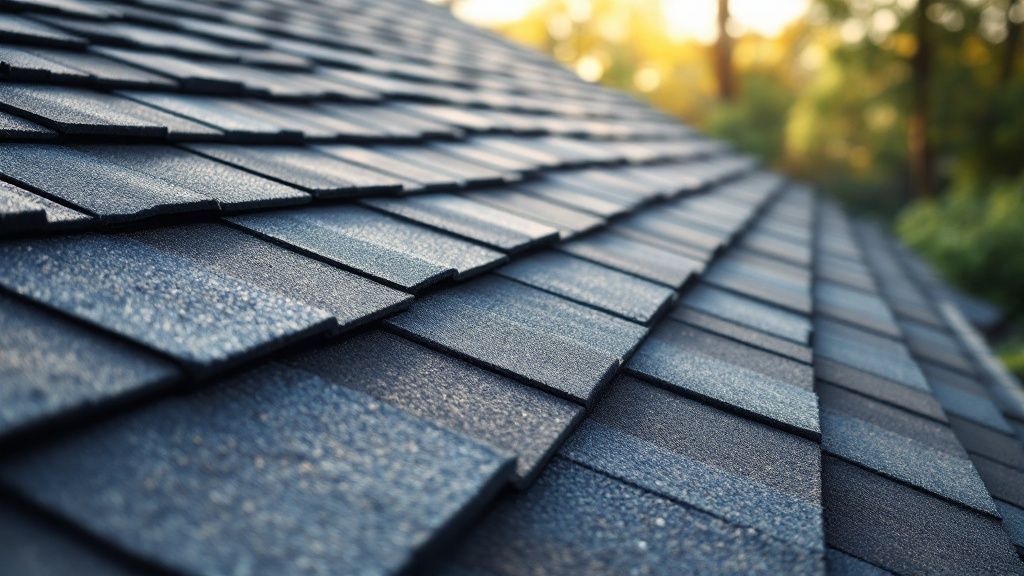
While three-tab shingles have a long history, dimensional shingles—often called architectural shingles—have firmly taken over as the new norm. Walk through any modern neighborhood, and you'll likely see them everywhere. There's a good reason they've become the go-to choice for homeowners, as they represent a major step up in both looks and performance.
Unlike the flat, uniform appearance of their three-tab cousins, dimensional shingles are built with multiple fused layers. This laminated construction results in a thicker, heavier shingle with a striking, textured look. The varied shapes and sizes of the shingle tabs are designed to mimic the high-end appeal of natural slate or wood shakes, giving a roof immediate depth and character.
But this beefed-up design is about more than just aesthetics. It’s what gives dimensional shingles their incredible strength and durability.
Engineered for Strength and a Longer Life
The multi-layer build of a dimensional shingle is its secret weapon. This construction gives it a real edge in resilience, allowing it to handle tougher weather conditions and making it a smart investment for any home. It’s one of the biggest factors to consider when weighing three tab vs dimensional shingles.
This superior engineering translates directly into benefits you can count on for decades. Simply put, they last longer and protect your home better.
From a performance perspective, dimensional shingles are in a different league. Their multi-layer build not only boosts curb appeal but also creates a tougher barrier against wind, rain, and impact, ensuring your home remains secure through harsh weather.
A roof with dimensional shingles will typically last anywhere from 18 to 30+ years, which is a significant jump from the lifespan of a standard three-tab roof. That longer service life means fewer headaches and less money spent on replacements down the road.
Unmatched Weather Resistance
One of the most compelling reasons to choose dimensional shingles is their incredible wind resistance. Where a standard three-tab shingle might lift or tear off in a nasty storm, a dimensional shingle is designed to stay put. Their sheer weight and fused-layer construction make all the difference when high winds start blowing.
Most dimensional shingles boast impressive wind ratings, often between 110 and 130 mph. This makes them a no-brainer for homes in areas that see frequent storms or unpredictable, windy weather.
The physical differences are stark. Dimensional shingles are about 50% heavier than three-tab shingles and are manufactured from a higher grade of material. This heft is a huge part of what boosts their durability and wind resistance, with many easily handling winds from 80 mph up to 120 mph. You can get a closer look at what makes them so tough by exploring the differences between shingle types on Colony Roofers. For homeowners seeking a dependable, long-term roofing solution, that extra resilience is key.
Comparing Cost, Durability, and Curb Appeal
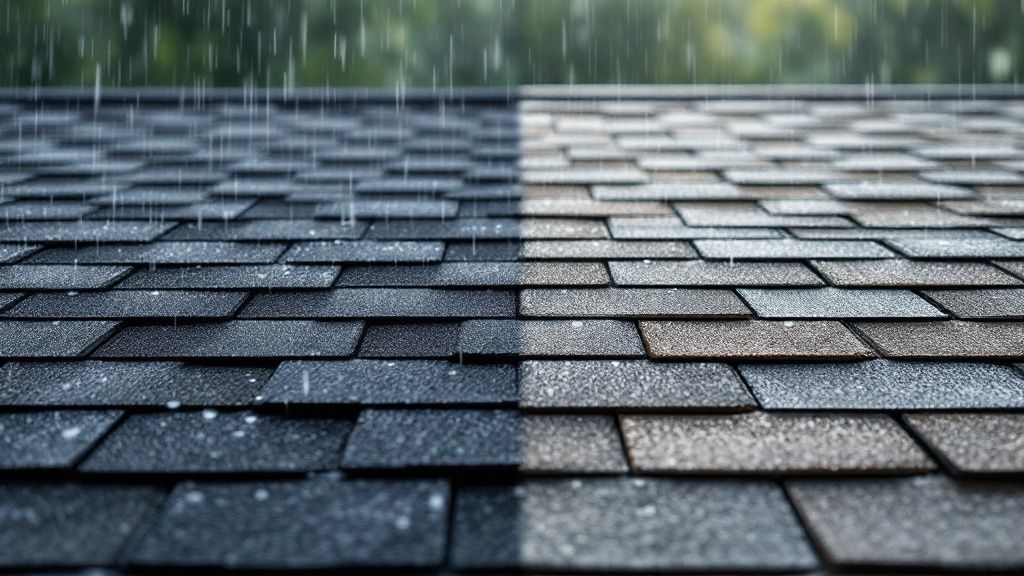
When you get down to the brass tacks of the three-tab vs. dimensional shingles debate, the decision really boils down to three things: what you pay, how long it lasts, and how it looks. The initial price tag is always a big factor, but the real story of a roof's value unfolds over decades of performance and the impression it leaves from the curb.
Getting a clear picture of how these shingles stack up in cost, strength, and style is the key to making a choice you'll be happy with for years to come. Let's dig into a head-to-head comparison.
A Head-to-Head on Cost and Long-Term Value
The first thing every homeowner sees is the price. There's no getting around it—three-tab shingles are the budget-friendly champ, often costing 20% to 40% less for both the materials and the labor to install them. This makes them a go-to for rental properties, quick home flips, or any project where keeping upfront costs down is the name of the game.
But the cost conversation doesn't stop when you write the first check. Dimensional shingles, though they require a bigger initial investment, often prove to be the smarter financial move over time. They typically last 10 to 15 years longer than their three-tab counterparts, which means you push the massive expense of a full roof replacement much further down the road.
While the upfront savings of three-tab shingles are tempting, the extended lifespan and lower repair frequency of dimensional shingles often result in a lower total cost of ownership over the life of the roof.
On top of that, dimensional shingles can give your home’s resale value a real boost. Their high-end look is a huge plus for potential buyers, sending a clear signal that the home is well-cared-for and protected by a durable roof. This can make your house stand out in a crowded market and help you get a better return on your investment.
Durability Under Pressure: How They Handle the Elements
A roof’s main job is protecting your home from whatever Mother Nature decides to throw at it, and this is where the difference in construction really becomes clear. The single-layer, lightweight build of three-tab shingles leaves them exposed, especially in high winds. Most are only rated to handle gusts up to 60 mph, making them a gamble in areas prone to serious storms.
Dimensional shingles, by contrast, are engineered for toughness. Their laminated, multi-layer construction and heavier weight give them a serious advantage against wind, with most brands rated for winds of 110 mph or even 130 mph. This beefy design means they are far less likely to lift up or get blown off when a major storm rolls through.
This superior durability plays out in other ways, too.
- Algae Resistance: Many dimensional shingles come with algae-resistant granules mixed in, which helps stop those ugly black streaks from forming, especially in humid climates.
- Impact Resistance: Their thickness gives them better protection against hail or falling tree limbs, cutting down on the odds of needing costly repairs.
- Weather Sealing: The overlapping layers create a much stronger seal against water, which is crucial around complex rooflines where leaks often start. Understanding what roof flashing is and its role in protecting these vulnerable spots is key to a watertight roof.
The Visual Impact: Curb Appeal and Aesthetics
Finally, let's talk about looks. Three-tab shingles give you a flat, uniform pattern. It’s a clean, classic look, but it’s also repetitive and lacks the visual interest that many homeowners want today. The aesthetic is functional, but it rarely does much to elevate a home's architectural style.
Dimensional shingles, on the other hand, are designed specifically to boost curb appeal. Their varied tab shapes and sizes create a rich, textured look that does a great job of mimicking premium materials like natural wood shake or slate. This multi-dimensional effect casts shadows and adds depth, turning the roof from a simple necessity into a standout feature of your home’s exterior. It's a visual upgrade that can completely transform the character of a house, making it look more substantial and custom-built.
Installation and Warranty: What Really Protects Your Home?
When you’re picking out shingles, it's easy to get caught up in colors and styles. But what really determines how well your roof performs over the decades are two things that happen behind the scenes: the quality of the installation and the strength of the warranty. The differences between three-tab and dimensional shingles show up big time in both these areas, affecting everything from labor costs to your peace of mind when a storm rolls in.
At a glance, laying shingles seems straightforward, but the materials themselves dictate the workflow. Three-tab shingles are the lighter, more uniform option. For an experienced crew, they go on quickly and predictably, which can sometimes mean a slight savings on labor.
Dimensional shingles, on the other hand, are a different beast. They're heavier—often by 50% or more—which means more muscle is needed to get them on the roof. On an older home, you might even need to confirm the roof structure can handle that extra weight.
Getting the Installation Right
While both shingle types need a solid roof deck to sit on, dimensional shingles demand a higher level of precision. Their multi-layered design and varied shapes have to be placed just right to create that beautiful, textured look and, more importantly, to form a completely watertight seal. A sloppy or rushed job can ruin the effect and leave your roof vulnerable.
No matter which shingle you choose, what's underneath is just as important. A quality underlayment is non-negotiable, serving as your roof's last line of defense against water. To understand why this layer is so vital, it's worth learning what roof underlayment is and the role it plays in a long-lasting roofing system.
Key Takeaway: A shingle warranty is only as good as the installation. Almost every manufacturer will void their warranty if the shingles are installed improperly. This makes choosing a qualified, experienced contractor just as critical as choosing the right shingle.
Making Sense of Shingle Warranties
This is where the difference between the two shingle types becomes a gulf. The numbers on the packaging tell a pretty clear story right from the start.
- Three-Tab Shingles: You're typically looking at warranties in the 20 to 25-year range. These usually come with lower wind damage coverage and the best protection period (the non-prorated part) is often shorter.
- Dimensional Shingles: Warranties here jump significantly to 30 years, 50 years, or even "lifetime" coverage. They also stand up better to mother nature, with wind warranties often rated for gusts up to 130 mph.
But don't just look at the big number on the label. Most shingle warranties are pro-rated, which means the amount the manufacturer will pay out for a defect decreases over time. A "lifetime" warranty doesn't mean you get a free roof 25 years down the road. You need to dig into the fine print and find the non-prorated period—that's the window where you get full replacement value.
Aside from the manufacturer's guarantee, it’s a smart move for any homeowner to understand the basics of a professional property damage assessment. Knowing what's involved will prepare you to handle a claim efficiently, whether it’s from a product defect or severe weather.
So, Which Shingle Is Right for Your Home?
Deciding between three-tab and dimensional shingles isn't about picking a universal "best" option. It's really about matching the right shingle to your home, your budget, and what you want to achieve long-term. Let's break down the three tab vs dimensional shingles decision with a few real-world scenarios to see which makes the most sense for you.
For some projects, the no-frills, budget-friendly nature of three-tab shingles is exactly what's needed. They get the job done without breaking the bank.
- Rental Properties: If you're a landlord, maximizing cash flow is key. The lower upfront cost of a three-tab roof makes a lot of financial sense here.
- Strict Budgets: Sometimes a roof replacement is an unexpected necessity. If you're working with a tight budget, three-tab shingles offer a dependable, code-compliant fix.
- Sheds and Outbuildings: For structures like detached garages, workshops, or sheds, you don't always need the premium performance of a dimensional shingle. Three-tab is a perfect fit.
The Clear Winner for Most Homeowners
Even with those specific uses, dimensional shingles are the better choice for the vast majority of homeowners. You're getting so much more for your money—better durability, stronger weather resistance, and a major upgrade in curb appeal. It's a genuine long-term investment in your home's value and safety.
This is especially true if you're in an area that gets high winds or rough storms. The beefier construction of dimensional shingles provides a level of security and peace of mind you just don't get from their lighter-weight cousins.
When it comes down to it, if your priority is a roof that will last, increase your property value, and give your home a high-end look, dimensional shingles are the hands-down winner. The higher cost upfront is easily justified by a longer lifespan and far greater resilience.
While weighing your asphalt shingle options, it's also smart to see what else is out there. Take a moment to consider natural slate roofing as an alternative to get a complete picture of the materials available for your home.
Answering Your Top Shingle Questions
After weighing the pros and cons of three-tab vs. dimensional shingles, you probably still have a few practical questions. That’s completely normal. Choosing the right roof is a big decision, and getting these details sorted out is what helps you make a confident choice. Let's tackle some of the most common questions from homeowners.
Can I Just Put Dimensional Shingles on Top of My Old 3-Tab Shingles?
This is a common question, as it seems like a smart way to save some money and time, but it's strongly advised against. Laying new dimensional shingles over an old layer of three-tabs almost guarantees an uneven, lumpy surface. It just won't look right, and worse, it won't perform correctly.
The biggest issue, though, is that this shortcut will void your new shingles' warranty before they're even installed. Manufacturers require a clean, flat roof deck for a reason. The only right way to do it is a complete tear-off of the old roof. This ensures your new shingles lay flat, seal properly, and are fully covered by their warranty.
Will Dimensional Shingles Actually Increase My Home's Value?
Absolutely. A new roof with dimensional shingles is one of the best returns on investment you can make in your home. Their high-definition, textured look gives your house a major facelift and seriously boosts its curb appeal.
Think of it from a buyer's perspective. A brand-new roof made with a top-tier material like dimensional shingles is a huge selling point. It signals that they won't have to worry about a massive replacement expense for decades, which adds real, tangible value to your property.
Are They Getting Rid of 3-Tab Shingles?
While you can still find them, three-tab shingles are definitely on their way out. Most major manufacturers have shifted their focus to producing dimensional shingles, which are far more popular and perform much better.
What does this mean for you? It means your color and style choices for three-tabs are shrinking. More importantly, it can become a real headache down the road trying to find matching shingles for a simple repair. This trend really cements dimensional shingles as the go-to standard for modern homes.
Ready to protect your home with a roof that’s built to last? The experts at Penn Ohio Roofing & Siding Group are here to help you choose the perfect shingles for your needs and budget. Contact us today for a free, no-obligation estimate!