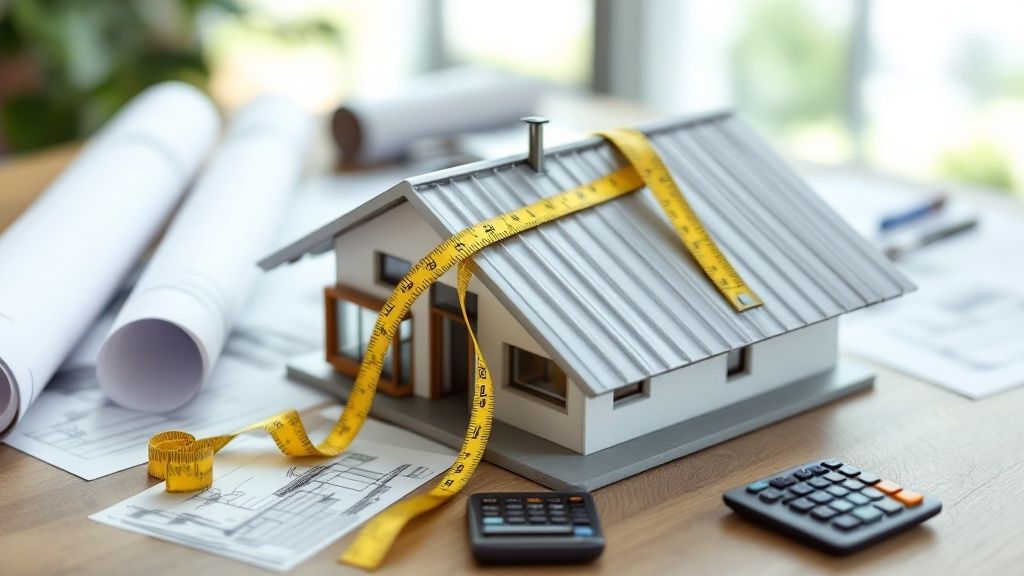
So, you're thinking about a metal roof. It's a smart move, but the first question on everyone's mind is always the same: "What's this going to cost me?"
Let's get right to it. On average, you can expect the metal roof installation cost to be somewhere between $14 and $40 per square foot. For a typical home, this puts the total project cost in the ballpark of $23,890 to $68,575.
That’s a big range, I know. The final number really depends on the type of metal you choose, how complex your roof is, and the going labor rates in your area. While the initial investment is definitely steeper than traditional shingles, it's the first step toward decades of durability and long-term savings.
What Is the Real Cost of Metal Roof Installation?
Putting a new roof on your home is a major project, and getting a handle on the finances is step one. The cost of a metal roof isn't one-size-fits-all; it’s more like a spectrum. Think of it like buying a car. You have the affordable base model, but once you start adding premium features, a bigger engine, or custom paint, the price climbs.
It's the same with your roof. A simple steel roof on a classic, single-story ranch house will be on the lower end of the cost spectrum. But if you’re looking at an intricate copper roof for a multi-level home dotted with skylights and dormers, you're in a completely different price category.
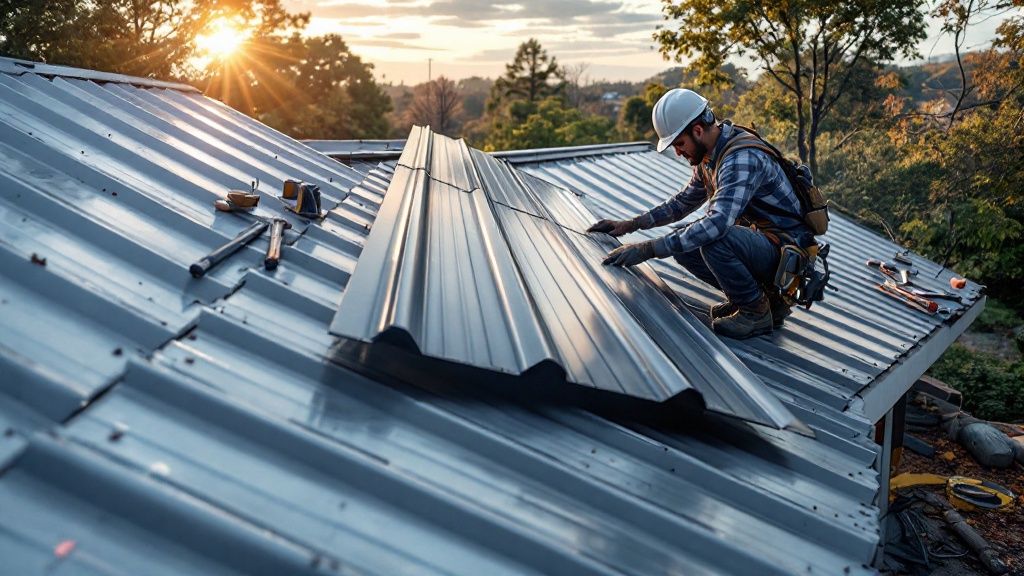
Sure, the upfront price difference compared to common asphalt shingles can be substantial. But that’s only half the story. The true value of a metal roof shines through over its incredible lifespan, which can easily be two to three times longer than what you'd get from traditional options.
A Quick Glance at Average Costs
Let's break down the numbers to give you a clearer picture. To get a metal roof installed on a standard 1,700-square-foot home, most homeowners will spend between $23,890 and $68,575. The national average tends to hover right around $46,233.
This wide range is almost entirely driven by the material you select and the difficulty of the installation itself.
To help you visualize the budget, here’s a quick summary of what you might expect to pay.
Metal Roof Installation Cost at a Glance
This table breaks down the estimated costs for a standard 1,700 sq. ft. home, showing how the price shifts from budget-friendly materials to more premium, high-end options.
| Cost Tier | Average Cost per Sq. Ft. (Installed) | Total Estimated Project Cost |
|---|---|---|
| Budget-Friendly | $14 – $22 | $23,800 – $37,400 |
| Mid-Range | $23 – $31 | $39,100 – $52,700 |
| Premium | $32 – $40+ | $54,400 – $68,000+ |
As you can see, your choice of metal—whether it’s a cost-effective steel or a luxurious copper—is the single biggest factor in your total project cost.
Thinking Beyond the Initial Price Tag
While that upfront cost is a big number to consider, it helps to put it into context with other major home improvements. For instance, a comprehensive guide to garage door installation costs shows a similar breakdown of how materials and labor shape the final price of a large-scale project.
A new metal roof is so much more than just a shield against the rain. It’s a long-term investment in your home’s value, its safety, and even its energy efficiency. Homeowners often get back a huge chunk of the cost when they sell, making it one of the smartest upgrades you can make.
In this guide, we’ll walk through every single factor that adds up to that final number. My goal is to help you budget effectively so you can move forward with your new roof feeling confident and prepared.
How Materials Impact Your Total Roofing Cost
The single biggest factor driving the cost of your new metal roof is the material you pick. It's a lot like choosing an engine for a car—each option delivers a different blend of performance, longevity, and price. Looking past the price tag helps you understand the personality of each metal, making sure your final choice fits your home's style, your local climate, and your budget.
This decision is about more than just curb appeal; it's a long-term investment in performance. Some metals are engineered to shrug off salty sea air, while others offer a classic, budget-friendly shield against the elements. Knowing the difference empowers you to make a smart investment, not just a quick purchase.
To give you a better sense of how these popular options look and feel, here’s a side-by-side comparison.
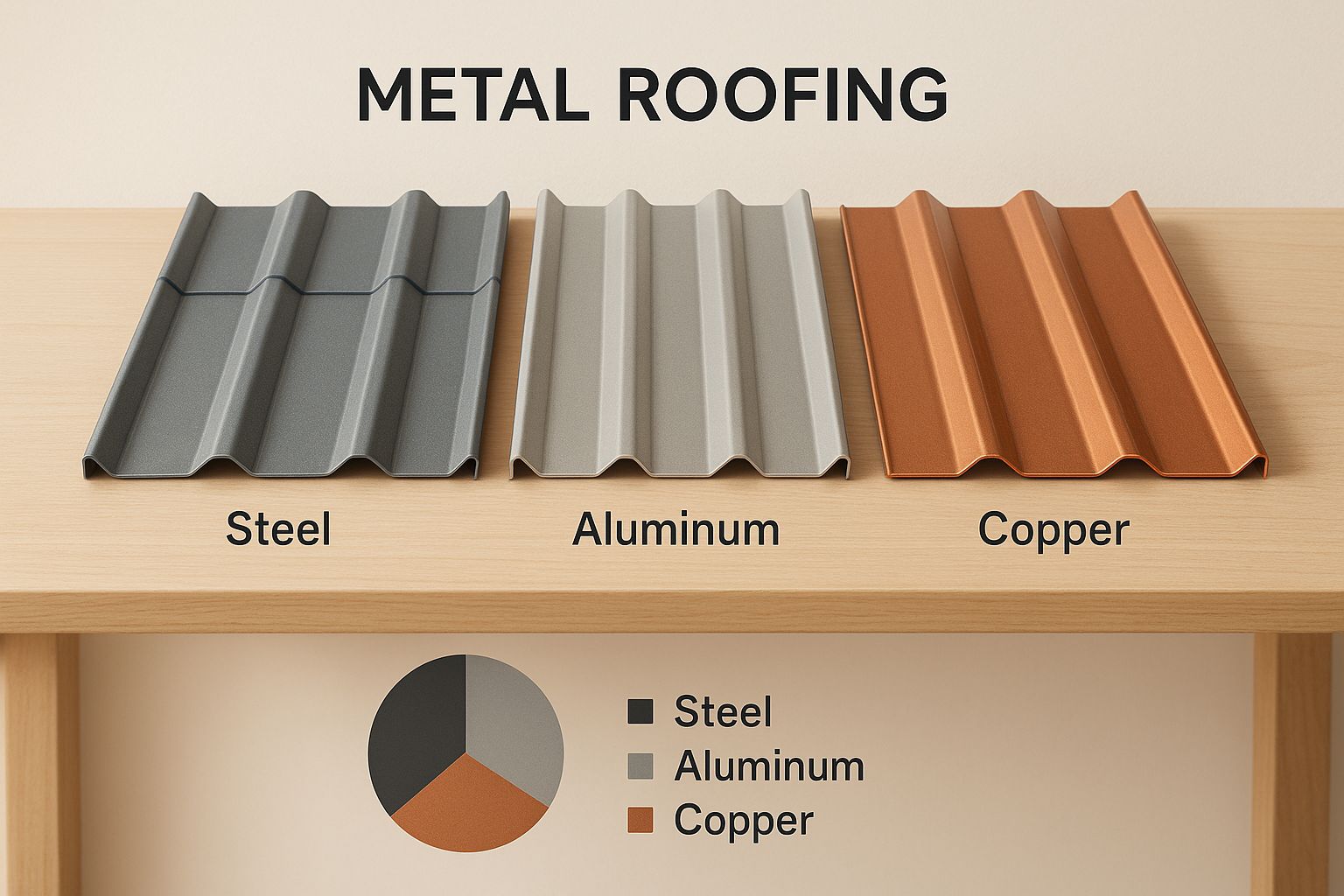
This image really highlights the unique textures and finishes of steel, aluminum, and copper. It gives you a tangible idea of how each material can contribute to your home's overall aesthetic.
Comparing Metal Roofing Materials Cost and Performance
To make sense of the options, it helps to see them laid out. This table breaks down the most common materials by their upfront cost, how long you can expect them to last, and what they're really good at.
| Material | Cost per Square Foot (Material Only) | Average Lifespan | Best Suited For |
|---|---|---|---|
| Steel (Galvanized/Galvalume) | $4 – $21 | 40-70 years | Homeowners seeking a balance of durability and affordability in most climates. |
| Aluminum | $7 – $17 | 50+ years | Coastal homes or areas with high humidity and salt spray due to its superior rust resistance. |
| Copper | $20 – $40+ | 100+ years | High-end architectural designs and historic restorations where beauty and longevity are paramount. |
| Zinc | $15 – $35+ | 80-100+ years | Modern or traditional homes needing a self-healing, sustainable material with a unique matte finish. |
As you can see, the "best" material really depends on your specific needs, location, and long-term goals for your home.
Steel: The Foundation of Metal Roofing
Steel is the workhorse of the metal roofing industry, and for good reason. It hits that sweet spot between strength and affordability, making it the go-to choice for most residential projects. Today’s steel roofing isn't just a plain sheet of metal; it comes in two primary forms:
- Galvanized Steel: This is your classic steel roof, coated with a layer of zinc to fend off rust and corrosion. It’s a time-tested, reliable option that gives you fantastic durability for the price.
- Galvalume® Steel: A step up from galvanized, this version uses a coating of both zinc and aluminum. The combination provides even better rust protection, giving it a longer service life.
The biggest draw for steel is its cost-effectiveness. You get the incredible longevity and toughness metal is known for without the premium price tag of copper or zinc.
Aluminum: The Coastal Champion
If your home is anywhere near the coast, aluminum is the clear winner. Its natural resistance to rust and corrosion is second to none, making it perfect for salty, humid air that would give steel a hard time over the decades.
Aluminum is also incredibly light. This often makes installation a bit easier and puts less strain on your home’s structure. While you’ll pay more for it upfront compared to steel, that investment buys you peace of mind and an exceptionally long life in a harsh coastal climate.
No matter which metal you choose, it's just the first line of defense. The entire system's integrity also depends on what’s going on underneath. You can get the full story on this critical protective layer in our guide on what roof underlayment is. It’s a crucial component for moisture protection.
Copper and Zinc: The Premium Craftsman Choices
When your top priorities are stunning aesthetics and a roof that will last a lifetime—and budget isn't the main concern—copper and zinc are the materials to look at. We’re talking about "forever" materials that can easily last 100 years or more when installed correctly.
Copper is famous for the gorgeous blue-green patina it develops over the years. This iconic look is highly sought after for historic properties and unique architectural designs. It's a premium material with a price to match, but its beauty and durability are simply unmatched.
Zinc is another elite choice, valued for its natural, matte-gray finish that looks right at home on both modern and traditional architecture. It's also self-healing—minor scratches will mend themselves over time—and it's 100% recyclable, making it a great sustainable option.
A Look at Material Cost Ranges
The price gap between these materials is pretty wide. For a typical 3,000-square-foot roof, material costs can swing from $4 to over $40 per square foot.
Steel is the most budget-friendly, usually landing between $4 and $21 per square foot. Aluminum is the next step up, typically running from $7 to $17 per square foot, while premium options like copper can easily soar to $20 to $40 per square foot.
Ultimately, the right choice comes down to your goals. By weighing the pros and cons of durability, appearance, and cost, you can confidently pick a metal that will protect your home and boost its value for decades to come.
Understanding Labor Costs and Roof Complexity
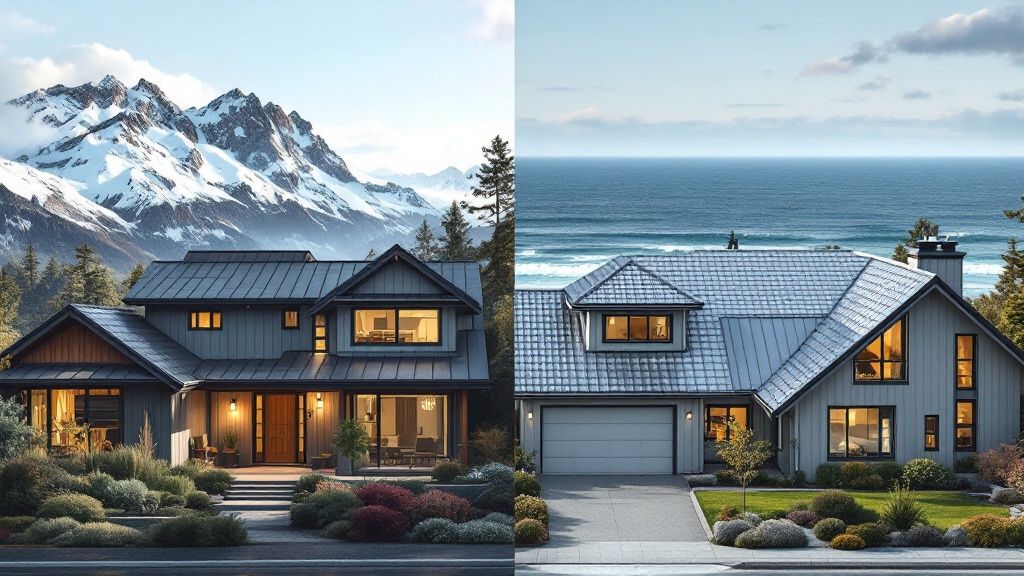
While the metal you pick is a huge part of the final price tag, it's far from the whole story. A big chunk of the metal roof installation cost is labor, and that cost is tied directly to how complex your roof is.
Let me give you an analogy. Painting a single, flat wall is easy. But what about painting a room with intricate crown molding, window trim, and a dozen tricky corners? Even if the square footage is the same, the second job demands more skill, more time, and a much steadier hand. Roofing works the exact same way.
A simple, low-sloped ranch-style house is pretty straightforward. On the other hand, a Victorian home with steep pitches, multiple gables, and dormers is a whole different beast. That kind of job requires tons of custom cuts, specialized flashing, and many more hours of skilled work, which naturally drives up the cost.
Key Factors That Influence Labor Costs
A few common architectural features can quickly turn a standard roofing job into a complex project. Each one requires special attention from the crew, and that extra time and skill will be reflected in your final quote.
Here are the biggest things that add to the complexity:
- Roof Pitch (Steepness): The steeper the roof, the harder and more dangerous it is to work on. Crews need extra safety gear and have to move much more carefully, which adds to the clock. Any roof with a pitch over 6/12 (meaning it rises 6 inches for every 12 inches it runs horizontally) is going to cost more.
- Valleys and Hips: Valleys are the inward angles where two roof planes meet, and hips are the outward ones. Every single one needs to be cut and sealed perfectly to keep water out. The more you have, the more detailed the work becomes.
- Dormers and Gables: Just like valleys, these features add a lot of complexity. Every dormer creates new edges and planes that have to be measured, cut, and flashed with precision.
- Roof Penetrations: Think chimneys, skylights, plumbing vents—anything that pokes through the roof. Each one is a potential leak waiting to happen, so installers have to spend extra time creating a completely watertight seal around them.
A complex roof might require 25-40% more labor hours than a simple roof of the same size. This difference is exactly why you can't trust a generic estimate; you need a custom quote based on your specific home.
Pre-Installation Work Your Quote Should Cover
Before the first shiny metal panel even goes on, there’s a lot of important prep work that has to happen. These steps are absolutely critical for the long-term performance of your roof, and they are a standard part of any professional installation cost.
A good crew will handle all of this meticulously. Knowing how to choose a roofing contractor you can trust is key, as they'll be upfront about what this prep work involves.
Here’s what should be happening before the new roof goes on:
- Tear-Off of the Old Roof: In almost every situation, the old roofing material, like asphalt shingles, has to be torn off completely. This includes the labor for stripping everything down and the cost of hauling away and disposing of all that debris.
- Roof Deck Inspection and Repair: With the old roof gone, the crew can finally see the wooden deck underneath. They’ll inspect it carefully for any rot, water damage, or weak spots. Any damaged plywood or boards must be replaced before they can move forward.
- Underlayment Installation: This is a big one. A high-quality synthetic underlayment gets rolled out over the entire roof deck. It’s your second line of defense, a backup water barrier that protects your home if any moisture ever finds its way under the metal.
Each of these steps adds to the cost, but they are completely non-negotiable for a roof that's built to last. Trying to cut corners here to save a little money is a recipe for disaster and will lead to much bigger, more expensive problems down the road.
What About the Hidden Costs? A Look Beyond the Initial Quote
When you get that first estimate for a new metal roof, it's easy to breathe a sigh of relief. But that initial number rarely tells the whole story. A good roofer’s quote is more than just panels and labor; it’s a comprehensive plan, and that plan includes a lot of smaller, but absolutely critical, components.
Think of it like this: you wouldn't buy a car and expect the engine to be an optional extra. The same goes for your roof. Things like specialized fasteners, premium sealants, and proper ventilation aren't just add-ons; they're the details that make the whole system work for decades.
Here’s a quick rundown of the essential extras that should be on your radar:
- Specialized Fasteners: These aren't your average screws. They're designed to keep panels locked down in fierce winds and create a watertight seal.
- Premium Sealants: This is what protects the seams from moisture, UV rays, and temperature changes, preventing leaks down the road.
- Ventilation Systems: A roof needs to breathe. Proper ventilation stops ice dams from forming in the winter and keeps your attic from turning into an oven in the summer.
- Flashing And Trim: Custom-fit metal pieces that seal the edges, valleys, and any openings (like chimneys or skylights) to block water from getting in.
- Gutters And Downspouts: A well-designed system to channel water away from your home is crucial for protecting your foundation and siding.
Don't Forget Permits and Inspections
Before a single panel goes up, your local municipality will want its say. Getting a building permit is a non-negotiable step, and the fees can add anywhere from $200 to $1,000 (or even more) to your total project cost.
These fees aren't just red tape; they cover the cost of official inspections to ensure the work is done to code. Be prepared for potential delays, too. Sometimes, waiting for an inspector can pause work for days, which can have a knock-on effect on labor costs.
“I’ve seen homeowners try to skip the permit process to save a few bucks. It never ends well. The penalties and the cost to fix non-compliant work always end up being far more than the original permit fee.” – A Word of Caution from a Seasoned Roofer
Tearing Off the Old and Hauling It Away
Out with the old, in with the new. Tearing off an existing roof, especially an old asphalt one, creates a surprising amount of waste. For an average-sized home, you can expect to generate 1,500 to 3,000 pounds of debris.
That debris has to go somewhere, and it's not free. You’ll be looking at costs for a dumpster rental, hauling services, and landfill tipping fees. While many contractors roll these costs into their quote, it’s a good idea to confirm. You don't want to be hit with a separate, unexpected bill for cleanup.
Here are a few of the most common "extra" costs to confirm with your contractor:
- Building Permits: Ask if the fee is included in the quote or if you’re responsible for it separately.
- Waste Disposal Fees: Clarify who covers the dumpster and landfill charges.
- Warranty Upgrades: Know what the standard warranty covers and what it costs to extend it.
Upgrades, Warranties, and Long-Term Peace of Mind
The standard material warranty for a metal roof is already impressive, often covering 20 to 30 years. But you might have the option to upgrade to a more robust or even a transferable warranty, which can be a great selling point if you plan to move. Expect to pay an extra $500 to $1,500 for this added security.
Other optional upgrades, like snow guards for homes in cold climates or special coatings for extra rust protection in coastal areas, will also increase the final price. These are performance-enhancing features that won’t be in a bare-bones estimate unless you ask for them.
How Your Location Impacts the Final Bill
Where you live plays a huge role in your total metal roof installation cost. Labor isn't a fixed price across the country; rates can swing wildly from $3 to $15 per square foot.
It's a simple matter of supply and demand. You'll find that wages are highest in major urban centers and along the coasts. Material delivery fees also fluctuate based on how far you are from a supplier. If you're in a remote area, you could see an extra 10% to 20% tacked on just for shipping and logistics.
- City Centers: Prepare for top-tier labor rates and material costs.
- Suburban Zones: You’ll likely find more moderate pricing and potential for bulk discounts.
- Rural Locations: Labor might be cheaper, but be ready for higher delivery fees.
All told, these "hidden" costs can easily inflate your initial quote by 15% to 25%. The key to avoiding sticker shock is asking for a detailed, itemized estimate before you sign anything. Transparency is your best friend when it comes to managing a major home improvement budget.
Real-world experience shows that homeowners who don't account for these extras often find themselves over budget by $1,000 to $3,500. A little proactive planning and a healthy contingency fund go a long way in keeping your project on track and stress-free.
Budgeting for every last screw, permit, and disposal fee is just as important as choosing the right color for your panels.
Always get multiple quotes and compare them line by line. See what one contractor includes that another lists as an extra. This simple step is the most effective way to ensure you have a complete picture of the costs and avoid any unpleasant surprises when the final bill arrives.
The Long-Term Value of Investing in a Metal Roof
It's easy to get sticker shock when you first see the metal roof installation cost, but you have to look past the initial number. A metal roof isn't just another home repair bill; it's a serious, long-term upgrade for your property. Think of it less like patching a tire and more like putting a brand-new, high-performance engine in your car—you're buying decades of reliability and efficiency.
The real "aha!" moment comes when you stack its lifespan against traditional materials. An asphalt shingle roof might get you 20 to 30 years if everything goes right. A well-installed metal roof, on the other hand, can easily last 40, 50, or even 70+ years. That means you could pay to replace an asphalt roof two, maybe even three times, in the lifespan of a single metal roof.
Unlocking Decades of Durability and Low Maintenance
One of the biggest payoffs with a metal roof is what you don't have to do. The maintenance is incredibly minimal. You can forget about the yearly ritual of scanning for cracked, curling, or missing shingles, especially after a big storm rolls through.
Their toughness is legendary—they can take a beating from high winds, driving rain, and hail in a way asphalt just can't. This resilience gives you peace of mind, but it also translates into real money saved. In fact, many insurance companies offer discounts on homeowner's policies for homes with Class 4 impact-resistant metal roofs. It's definitely worth a call to your agent to see if you qualify.
A metal roof is an investment that pays you back over time through sheer endurance. You pay once for a solution that solves your roofing needs for a generation, rather than just a decade or two.
Slashing Energy Bills with Cool-Roof Technology
Beyond just sitting there and looking good, a metal roof can actively work to lower your bills. Modern metal roofing systems are often called 'cool roofs' for a reason. They come with special reflective coatings that bounce the sun's heat away from your house instead of soaking it up like a dark asphalt shingle would.
This makes a huge difference in the summer. Your air conditioner doesn't have to work nearly as hard to keep the house comfortable, which can lead to a drop in cooling costs by as much as 25%. Those savings add up month after month, year after year, effectively helping the roof pay for itself over time. If you want to dive deeper into how the initial costs balance out with these long-term gains, check out this guide on the pros and cons of metal roofing.
Boosting Your Home's Resale Value
When it comes time to sell, a metal roof is a massive selling point. Potential buyers love hearing that they won't have to think about a roof replacement for decades to come. It’s a tangible, high-value feature that often lets you command a higher price for your home.
The market backs this up. There's been a 35% surge in demand for metal roofing recently, and studies show it can boost a home's resale value by up to 6%. If you're looking at a metal roof as part of a bigger renovation project, a fix and flip calculator can be a great tool for seeing how all the numbers fit together to affect your return on investment.
Recent industry data really drives the point home. The average metal roof installation runs about $17,762, but its 40 to 70-year lifespan, coupled with energy savings and storm resilience, makes it a sound financial move. Today’s homebuyers are savvy—they recognize the long-term security a metal roof offers and are willing to pay for it.
Answering Your Top Questions About Metal Roofing Costs
Even with all the numbers laid out, it's completely normal to have a few lingering questions. A new roof is a big decision, and you want to be sure you're making the right call for your home.
Let's dive into some of the questions I hear most often from homeowners, and I'll give you the straight-up answers you need to feel confident about your choice.
Can You Just Install a Metal Roof Over My Old Shingles?
This is easily one of the most common questions I get, and the short answer is: maybe, but you probably shouldn't. While putting metal over a single, relatively flat layer of asphalt shingles is sometimes possible, it's a practice that depends heavily on local building codes and the true condition of your roof.
The appeal is obvious—you save a bundle on labor by skipping the tear-off and don't have to pay to haul away the old shingles.
But here’s the reality: that shortcut can come back to bite you. You're essentially putting a brand-new roof on a questionable foundation. Any hidden rot, soft spots in the plywood, or structural issues are just getting covered up, not fixed. Worse, trapping moisture between the old shingles and the new metal can create a perfect environment for mold and decay, leading to a much bigger, more expensive problem later on.
For a roof that's going to last 50+ years, starting with a clean, inspected roof deck is always the right move. It's the only way to guarantee the job is done right.
Are There Financing Options for a Metal Roof?
Yes, absolutely. Because a metal roof is a significant upfront investment, most homeowners use some form of financing to make it fit their budget. You've got quite a few good options.
Most professional roofing contractors have partnerships with lenders and can offer financing plans directly, which is often the most convenient route. Beyond that, here are a few other paths worth exploring:
- Home Equity Loan: This is a straightforward loan that uses your home's equity as collateral. You get a lump sum of cash, usually at a fixed interest rate.
- Home Equity Line of Credit (HELOC): Think of this as a credit card that's backed by your home's equity. It's a revolving line of credit you can draw from as needed, which offers a bit more flexibility.
- Energy-Efficient Mortgages (EEMs): Keep an eye out for these. Some government or utility programs offer special loans or rebates for energy-saving upgrades, and a "cool roof" made of metal often qualifies.
My advice? Always talk to your contractor about their financing partners first, but also give your personal bank or credit union a call to see how their rates compare.
How Much Value Does a Metal Roof Actually Add to a Home?
A metal roof is one of those rare home improvements that pays you back in multiple ways, including a significant boost to your property value. It's a premium feature that buyers can see from the curb, and it sends a strong signal about the quality and durability of your home.
Generally, homeowners can expect to get a solid return on their investment when it comes time to sell—often recouping somewhere between 60% to 90% of the cost. In a hot real estate market, a new metal roof can even increase a home's sale price by up to 6%.
Buyers love the combination of head-turning looks, rock-solid durability, and lower energy bills. The idea that they won't have to think about a roof replacement for the next 50 years is a massive selling point that can make your home the obvious choice over others.
Is a Metal Roof Going to Be Noisy When It Rains?
This is the number one myth about metal roofing, and it's time we put it to rest. The image of a deafening drumming sound comes from old-fashioned tin roofs on barns, where a thin sheet of metal was nailed directly onto open rafters.
That’s not how modern residential metal roofing works at all.
Your new roof is installed as part of a complete system. It goes over a solid wood deck, a high-tech underlayment, and all of this sits on top of your attic and insulation. This multi-layer construction is incredibly effective at deadening sound. The end result? A metal roof is no louder in a rainstorm than a standard asphalt shingle roof. Most homeowners I've worked with say they can't hear a difference at all.
Ready to explore the lasting benefits of a metal roof for your home? The team at Penn Ohio Roofing & Siding Group has over 25 years of experience delivering top-quality installations built to stand the test of time. Contact us today for a free, no-obligation estimate.