Your roof is your home's first line of defense against the elements, but it's often an 'out of sight, out of mind' component until a leak appears. This reactive approach can lead to staggering repair bills, structural damage, and immense stress. But what if you could prevent these disasters before they start? The secret lies in proactive care, and the most crucial step is understanding the powerful benefits of regular roof inspections.
This guide explores this simple yet transformative practice, revealing how it safeguards your property and your finances. We will break down exactly how scheduling routine check-ups not only saves you thousands in the long run but also enhances your home's safety, energy efficiency, and overall value. For homeowners in Hermitage and surrounding counties like Mercer, Beaver, and Lawrence, knowing these advantages is the first step toward a secure, long-lasting roof system.
In the following sections, we will detail how a professional assessment prevents minor issues from becoming catastrophic failures. We'll cover everything from extending your roof's lifespan and maintaining warranty compliance to supporting insurance claims. Let's explore why a professional look-over by a trusted local expert is one of the smartest decisions you can make for your property.
1. Early Detection of Roof Damage and Leaks
One of the most significant benefits of regular roof inspections is the ability to catch small problems before they escalate into catastrophic, expensive failures. Your roof is your property's first line of defense against the elements, but minor issues like a single cracked shingle, loose flashing, or a small puncture can go unnoticed from the ground. Over time, these seemingly insignificant flaws allow water to penetrate the roof deck.
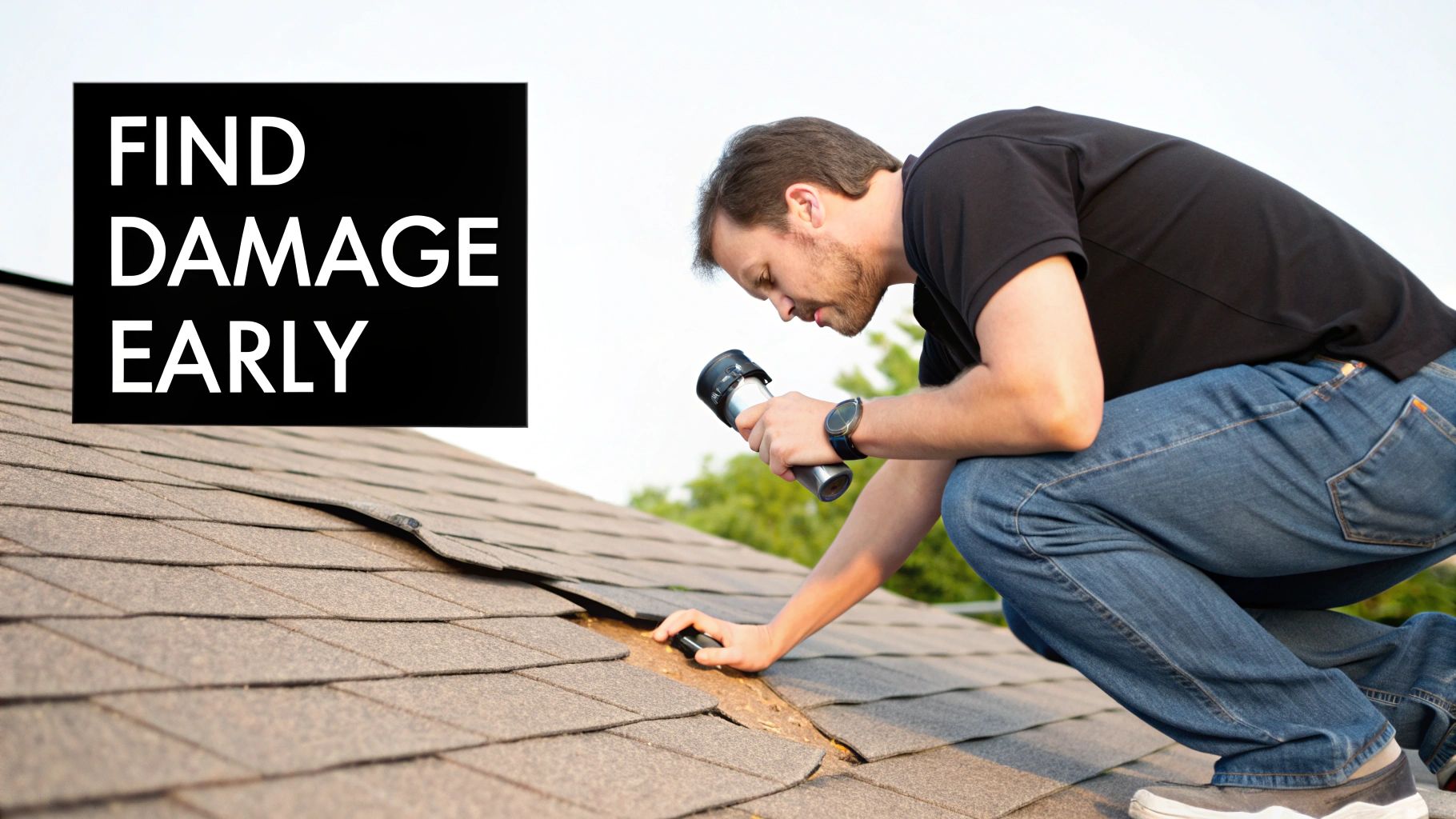
This slow, silent water intrusion can lead to rotted structural supports, saturated insulation, and widespread mold growth in your attic. By the time you notice a stain on your ceiling, the damage is already extensive and costly to remediate. Early detection turns a potential $15,000 mold remediation and structural repair job into a simple, affordable shingle or flashing replacement.
Putting Early Detection into Practice
To effectively catch issues early, a proactive approach is essential. Waiting for a visible leak is a reactive strategy that guarantees higher repair costs.
- Schedule Biannual Checks: The best practice is to schedule professional inspections twice a year, once in the spring to assess any winter damage and once in the fall to prepare for the coming harsh weather.
- Post-Storm Inspections: Always conduct a visual check or schedule a professional inspection after major weather events like hailstorms, high winds, or heavy snow.
- Document Everything: During an inspection, taking photos of potential problem areas creates a valuable record for monitoring deterioration and supporting potential insurance claims.
For commercial property owners, a structured approach is even more critical due to the scale and complexity of the roofing system. Understanding what to look for is key, and a detailed checklist can ensure nothing is missed. You can learn more with this comprehensive commercial roof inspection checklist. By partnering with a certified contractor, you get an expert assessment that identifies hidden vulnerabilities, providing you with the peace of mind that your investment is protected.
2. Extended Roof Lifespan and Asset Protection
Your roof is one of the most significant investments you'll make in your property, and regular inspections are the key to maximizing that investment. Preventative maintenance directly translates to a longer functional life for your roofing system. By proactively addressing minor issues like clogged gutters, degrading sealants, or small amounts of granule loss, you prevent the accelerated deterioration that leads to premature roof failure.
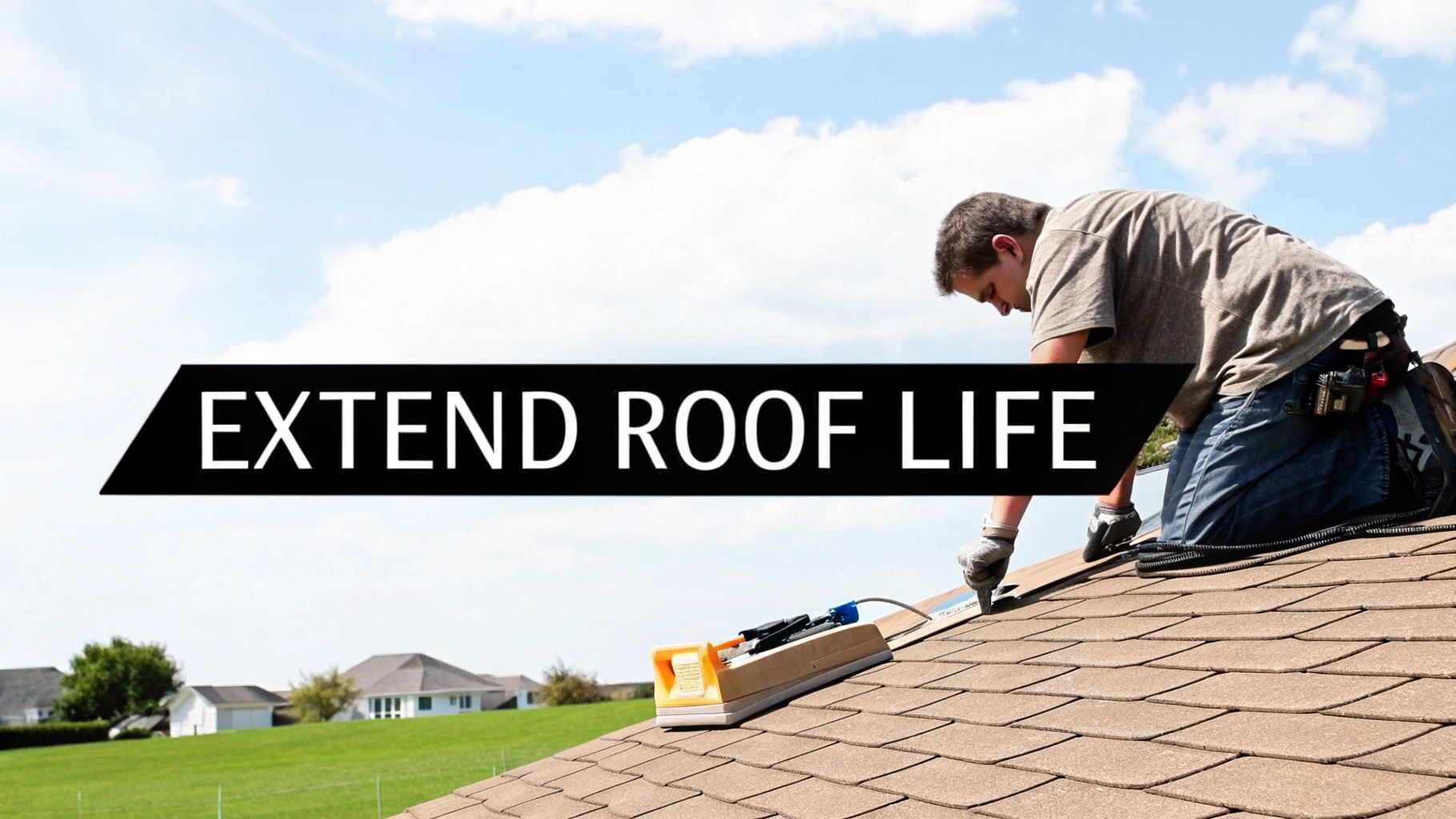
This proactive approach adds years to your roof's service life, pushing back the massive expense of a full replacement. For example, an asphalt shingle roof that receives regular inspections and maintenance can easily last 20-25 years, whereas a neglected roof may fail in as little as 12-15 years. This simple habit protects your valuable asset and ensures it performs optimally for its entire intended lifespan, delivering a significant return on investment.
Putting Asset Protection into Practice
Maximizing your roof’s lifespan requires a systematic maintenance plan, not just occasional glances from the ground. A reactive approach only deals with problems after they've already caused significant wear and tear.
- Create a Maintenance Log: Document every inspection, repair, and observation. This log provides a clear history of your roof’s condition, helping to track wear patterns and plan future maintenance effectively.
- Budget for Upkeep: A great rule of thumb is to budget 1-2% of your roof's total replacement cost annually for routine maintenance. This small, planned expense prevents huge, unexpected financial burdens down the road.
- Address Debris and Drainage: Regularly ensure gutters, downspouts, and drainage paths are clear of leaves, branches, and other debris. Proper water flow is one of the most critical factors in preventing long-term damage and extending roof life.
For homeowners and commercial property managers in the Penn Ohio region, this strategy is not just about saving money; it's about preserving the structural integrity of your entire building. By partnering with a local professional, you gain an ally dedicated to protecting your investment. Expert inspections identify and resolve small issues, ensuring your roof provides reliable protection for years to come.
3. Prevention of Water Damage and Mold Growth
One of the most critical benefits of regular roof inspections is preventing water from silently seeping into your property and creating a toxic environment. A minor roof vulnerability, like a clogged gutter or compromised flashing around a vent pipe, can introduce persistent moisture into your attic and wall cavities. This dampness is the perfect breeding ground for mold and mildew.
Once mold takes hold, it can spread rapidly, compromising your home's structural integrity by rotting wood and destroying insulation. Beyond the physical damage, which can easily exceed $50,000 in remediation costs, mold releases spores that can cause significant health problems. Proactive inspections stop this process at the source, addressing the roof leak before moisture becomes a catastrophic issue.
Putting Prevention into Practice
A preventative mindset is key to avoiding the costly and hazardous consequences of water intrusion. Instead of waiting for a musty smell or a visible stain, take these proactive steps to keep your property dry and safe.
- Maintain Clear Drainage: Regularly clean gutters and downspouts to ensure water is channeled away from your roof and foundation. Blockages are a leading cause of water backups that saturate roofing materials.
- Check for Interior Clues: During an inspection, pay close attention to the attic. Look for water stains on the underside of the roof deck, damp or compressed insulation, and a musty odor.
- Seal All Penetrations: Ensure that vents, chimneys, and skylights are properly sealed with high-quality flashing. These are common points of failure where water often finds its way in.
Identifying the exact entry point of water can be challenging, as it often travels far from the initial breach. An expert can trace the path of intrusion before significant damage occurs. If you suspect an issue, you can get professional help in finding a roof leak. By scheduling routine assessments with an experienced contractor, you leverage expert knowledge to protect both your property's structure and your family's health from the dangers of hidden water damage.
4. Cost Savings Through Preventative Maintenance
Investing in regular roof inspections is one of the most effective financial decisions a property owner can make, delivering substantial cost savings through proactive, preventative maintenance. The core principle is simple: it is always cheaper to address a small issue today than to fix a catastrophic failure tomorrow. A minor repair, like replacing a few damaged shingles or resealing a vent pipe, costs a fraction of a full-scale roof replacement or the extensive water damage remediation required after a major leak.
Think of it as a return on investment. The small, predictable cost of a biannual inspection acts as an insurance policy against massive, unforeseen expenses. For instance, addressing granule loss and minor cracks on asphalt shingles early can prevent widespread shingle failure, preserving the roof's integrity. This preventative approach transforms roofing expenses from a reactive, emergency-based cost center into a manageable, budgeted operational expense.
Putting Preventative Maintenance into Practice
To truly leverage the cost-saving benefits of regular roof inspections, you need a strategic financial and logistical approach. Waiting for problems to announce themselves is a costly gamble.
- Establish a Maintenance Fund: Treat your roof like any other major asset. Set aside a small, dedicated fund for routine maintenance and minor repairs identified during inspections. This prevents financial shock when a repair is needed.
- Time Inspections Strategically: Schedule inspections before the severe weather seasons in spring and fall. Addressing vulnerabilities before heavy rain, snow, or high winds hit can prevent storm-related damage and costly emergency calls.
- Document All Expenses: Keep meticulous records of every inspection report and repair invoice. This documentation is invaluable for budgeting, tracking the roof's performance, and supporting potential insurance claims in the future.
For property owners in Ohio and Pennsylvania, this proactive strategy is especially crucial given the region's harsh winters and storm seasons. By partnering with a trusted expert, you gain a clear, professional assessment of your roof's condition. A qualified team can help you create a prioritized maintenance plan, ensuring you invest wisely to prevent small issues from draining your finances later.
5. Compliance with Warranty and Insurance Requirements
Investing in a new roof often comes with a manufacturer's warranty, and your homeowner's insurance policy provides a critical safety net. However, these protections are not unconditional. A frequently overlooked benefit of regular roof inspections is that they help you maintain compliance with the stipulations in these crucial documents, ensuring your coverage remains valid when you need it most.
Many leading roofing manufacturers state that their warranties can be voided by neglect or a lack of routine maintenance. Similarly, insurance providers can deny a claim for roof damage if they determine the failure was caused by pre-existing, unaddressed issues. A documented history of professional inspections serves as undeniable proof of due diligence, protecting you from a claim denial that could cost you thousands of dollars out of pocket.
Putting Compliance into Practice
To ensure your roof remains protected by its warranty and your insurance policy, you must treat inspections as a contractual obligation rather than an optional task. This proactive approach safeguards your financial and structural investments.
- Review Your Documents: Carefully read your roof warranty and homeowner's insurance policy. Note any specific clauses related to required maintenance schedules, such as annual or biennial professional inspections.
- Keep Meticulous Records: File every inspection report, invoice, and repair receipt in a dedicated folder. This organized documentation is your best defense against a claim denial or a voided warranty.
- Use Certified Professionals: Many warranties require that any inspections or repairs be performed by a certified or factory-authorized contractor. Using an uncertified handyman could inadvertently void your coverage.
For both residential and commercial property owners, understanding these requirements is non-negotiable. By partnering with a trusted professional, you ensure that every inspection is thoroughly documented and performed to the highest industry standards. This not only keeps your roof in top condition but also provides the official paperwork needed to uphold your valuable warranty and insurance agreements, giving you complete peace of mind.
6. Enhanced Property Safety and Structural Integrity
Beyond preventing leaks, one of the most critical benefits of regular roof inspections is safeguarding the structural integrity of your entire property. The roof system is a heavy, complex structure, and its failure can lead to catastrophic consequences. Inspections identify hidden hazards like rotted decking, compromised trusses, or sagging joists caused by slow water intrusion or pest damage, preventing potential collapses during a severe storm or under a heavy snow load.
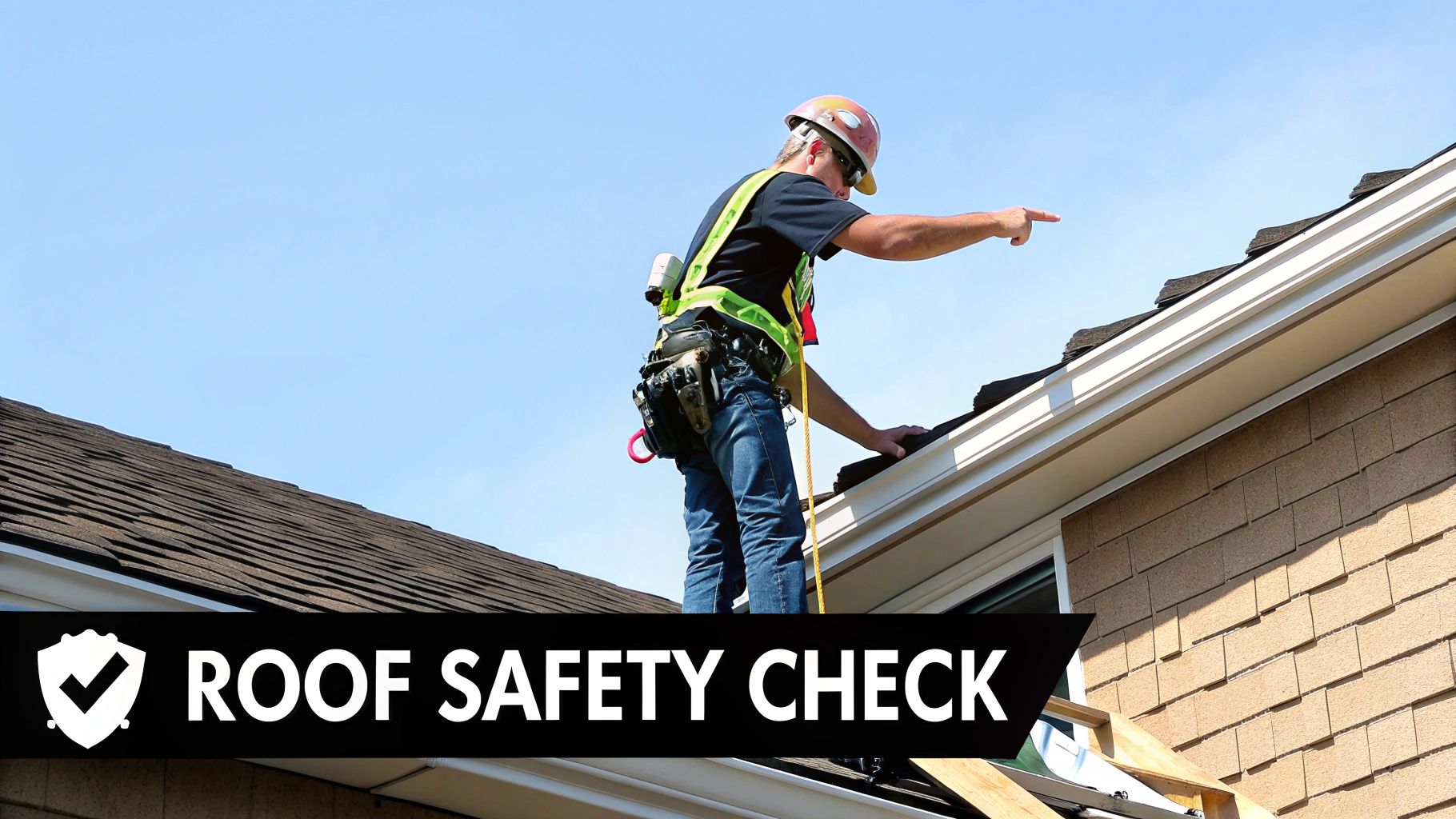
This proactive approach protects not only the building itself but, more importantly, the people inside. Identifying and addressing a weakened support beam or improper load distribution is a crucial safety measure. It prevents sudden structural failures that could endanger occupants, cause extensive property damage, and lead to immense liability. A thorough inspection ensures your roof is a secure shield, not a ticking time bomb.
Putting Safety and Integrity into Practice
Ensuring your building is structurally sound requires a detail-oriented approach that goes beyond a simple visual check from the ground. A comprehensive assessment is key to identifying underlying risks.
- Prioritize Structural Checks: During an inspection, pay close attention to the attic or crawl space for signs of water stains, rotted wood, or sagging supports. These are red flags for serious structural issues.
- Address Water Damage Immediately: The moment moisture is detected, act swiftly. Water saturation is the primary cause of wood rot, which rapidly degrades the structural components of your roof system.
- Ensure Proper Ventilation: An inspector will check that your attic has adequate ventilation. Poor airflow traps moisture and heat, leading to condensation that rots wood and fosters mold, silently compromising your home's framework.
- Remove Debris and Pests: Keep your roof clear of accumulated leaves and branches, which trap moisture. Seal any potential entry points for pests like squirrels or raccoons, as they can cause significant damage to insulation and structural wood.
For a holistic view of property safety, it's beneficial to review guidelines like a comprehensive commercial property inspection checklist. By partnering with certified professionals, you get an expert evaluation that pinpoints these hidden dangers, ensuring your property remains safe and secure for years to come.
7. Improved Energy Efficiency and Reduced Utility Costs
Beyond simply keeping water out, your roof plays a crucial role in your property's thermal performance. Regular roof inspections are one of the most effective ways to identify and correct energy inefficiencies that silently drive up your utility bills. Issues like poor attic ventilation, compressed or inadequate insulation, and unsealed air leaks around vents and penetrations can go undetected for years, forcing your HVAC system to work overtime.
An inspection can reveal that your soffit vents are blocked by debris or insulation, trapping superheated air in your attic during the summer. This forces your air conditioner to run constantly just to maintain a comfortable indoor temperature. Identifying and fixing these thermal weak points translates directly into lower energy consumption, reduced environmental impact, and significant savings on monthly heating and cooling costs. Correcting a major ventilation issue can reduce cooling costs by over 10% annually.
Putting Energy Efficiency into Practice
A proactive approach to your roof's thermal performance ensures your home stays comfortable and your energy bills stay low. Instead of wondering why your utility costs are so high, an inspection provides a clear roadmap for improvement.
- Check All Vents: Ensure that soffit, ridge, and gable vents are completely clear of debris, insulation, and pests to allow for proper air circulation.
- Seal Air Leaks: Use appropriate sealants to close gaps around plumbing vents, chimneys, and any other roof penetrations where conditioned air might escape.
- Assess Insulation Levels: An inspector can measure your attic insulation depth. If it's below modern standards (like R-38 in many climates), adding more is a high-return investment.
- Consider Cool Roofing: For properties in warmer climates, ask about reflective coatings or "cool roof" materials that reflect solar radiation instead of absorbing it, dramatically cutting cooling demand.
By focusing on these key areas during an inspection, you can transform your roof from a passive shield into an active component of your home's energy management system. Local experts can identify these specific energy loss points, providing solutions that not only protect your property but also deliver tangible savings year after year.
8. Accurate Assessment for Insurance Claims and Property Valuations
A professional roof inspection report is more than just a repair checklist; it's a powerful legal and financial document. It provides an objective, third-party assessment of your roof's condition, which is invaluable during insurance claims and real estate transactions. When a storm hits, having a "before" inspection report provides indisputable evidence of the damage sustained, streamlining your claim and preventing disputes.
This documentation helps ensure you receive fair compensation from your insurer and an accurate valuation for your property. For instance, a homeowner with a pre-storm inspection report can easily prove that hail caused $12,000 in damage, forcing the insurer to approve the claim. Similarly, a real estate buyer can use a detailed report to negotiate a price reduction to cover necessary roof repairs, turning a potential liability into a bargaining tool.
Putting Documentation into Practice
To leverage your inspection for financial and legal protection, you need a strategic approach to documentation. This ensures your records are clear, credible, and ready when you need them most.
- Schedule Pre-Transaction Inspections: Always get a professional roof inspection before buying or selling a property. This provides a clear baseline for negotiations and protects all parties involved.
- Request Detailed, Photographic Reports: A simple pass/fail is not enough. Insist on a report with high-resolution photos, precise measurements, and a detailed description of the roof's condition and materials.
- Keep Organized Records: Maintain a file with all your inspection reports, repair invoices, and warranty documents. Update this file every 2-3 years with a new inspection to show a consistent history of maintenance.
Understanding how to use this documentation is key to a successful outcome. Comprehensive reports that stand up to scrutiny from insurers and appraisers are essential. You can learn more about how a professional assessment fits into the roof insurance claim process. Should a roof inspection reveal significant damage leading to an insurance claim, understanding how to navigate potential legal challenges or handling insurance claim disputes can be crucial.
8-Point Comparison: Benefits of Regular Roof Inspections
| Item | Implementation Complexity 🔄 | Resource Requirements ⚡ | Expected Outcomes 📊⭐ | Ideal Use Cases 💡 | Key Advantages ⭐ |
|---|---|---|---|---|---|
| Early Detection of Roof Damage and Leaks | Moderate 🔄 — trained inspector, periodic checks | Low–Medium ⚡ — inspection fee, basic diagnostic tools | High 📊 ⭐⭐⭐ — catch leaks/cracked shingles before major damage | Biannual inspections; post-storm assessments | Prevents major repairs; saves on water/mold remediation |
| Extended Roof Lifespan and Asset Protection | Low–Moderate 🔄 — scheduled maintenance & records | Medium ⚡ — recurring upkeep, occasional repairs | High 📊 ⭐⭐⭐ — extends service life 5–10+ years | Long-term asset management; aging roofs | Delays replacement; cost-effective vs reactive fixes |
| Prevention of Water Damage and Mold Growth | Moderate–High 🔄 — moisture detection, ventilation checks | Medium ⚡ — moisture meters, ventilation/repair costs | Very High 📊 ⭐⭐⭐ — reduces mold risk and structural water damage | Homes with attics; humid climates; prior leaks | Protects occupant health; avoids expensive remediation |
| Cost Savings Through Preventative Maintenance | Low–Moderate 🔄 — routine inspections & budgeting | Low–Medium ⚡ — inspections, minor repair fund | High 📊 ⭐⭐⭐ — strong ROI (300–500%), fewer emergencies | Cost-conscious owners; multi-property portfolios | Lowers long-term costs; predictable maintenance budgeting |
| Compliance with Warranty and Insurance Requirements | Low 🔄 — scheduled documentation and certified contractors | Low ⚡ — record-keeping, certified inspection fees | High 📊 ⭐⭐ — preserves warranty and claim eligibility | Properties with active warranties or insurer conditions | Maintains coverage; strengthens insurance claims |
| Enhanced Property Safety and Structural Integrity | High 🔄 — structural assessments, possible engineering | Medium–High ⚡ — specialist inspections, structural repairs | Very High 📊 ⭐⭐⭐ — prevents collapse/falling debris, reduces liability | Older buildings; storm/snow-prone areas; commercial sites | Protects occupants; reduces legal and safety risks |
| Improved Energy Efficiency and Reduced Utility Costs | Moderate 🔄 — ventilation/insulation evaluation | Medium ⚡ — insulation, ventilation, reflective coatings | Medium–High 📊 ⭐⭐ — HVAC savings 10–25%, lower bills | Hot/cold climates; energy-efficiency upgrades | Reduces utility costs; lowers carbon footprint |
| Accurate Assessment for Insurance Claims and Property Valuations | Moderate 🔄 — detailed reporting & photography | Medium ⚡ — professional report fees, photos, measurements | High 📊 ⭐⭐ — strengthens claims and valuation accuracy | Pre-sale, pre-insurance, pre-storm documentation | Objective evidence for claims; supports accurate appraisals |
Take the Next Step: Secure Your Property's Future Today
Throughout this guide, we've unpacked the substantial and multifaceted benefits of regular roof inspections. We've moved beyond the surface-level idea of just "checking for leaks" and delved into a comprehensive strategy for asset protection, financial savings, and long-term security. Your roof isn't merely a structural component; it's the primary shield safeguarding your entire property, its contents, and its occupants from the elements. Treating it as an afterthought is a risk that is simply not worth taking.
From Reactive Repairs to Proactive Protection
The core theme connecting all eight benefits is a fundamental shift in mindset: from reactive to proactive. Waiting for a visible sign of failure, like a ceiling stain or a missing shingle, means the damage has already infiltrated your home’s defenses. A proactive approach, centered around scheduled professional inspections, flips this script entirely. It empowers you to address vulnerabilities before they escalate into costly, complex, and stressful emergencies.
Let’s recap the critical takeaways:
- Financial Foresight: Preventative maintenance is exponentially cheaper than emergency repairs. By investing a small amount in a regular inspection, you avoid the five-figure costs associated with structural water damage, mold remediation, and premature roof replacement.
- Asset Longevity: Just like regular oil changes for your car, routine inspections are the key to maximizing your roof's intended service life. This simple action protects your significant investment and ensures it performs as designed for decades.
- Documentation and Compliance: A consistent record of professional inspections is your best ally when dealing with insurance claims or warranty requirements. It provides irrefutable proof of due diligence, streamlining processes and preventing potential claim denials.
- Safety and Peace of Mind: Beyond the financial aspects, knowing your roof is structurally sound provides an invaluable sense of security. You can rest assured that your family, employees, and tenants are protected from the risks of a compromised structure.
Embracing the benefits of regular roof inspections is one of the most intelligent and impactful decisions a property owner can make. It's a commitment to the health, value, and integrity of your home or commercial building. Don't wait for a storm to reveal your roof's weaknesses. Take control of your property's narrative today.
Ready to protect your most valuable asset? The expert team at Penn Ohio Roofing & Siding Group provides the thorough, detailed inspections needed to secure your property's future, backed by over 25 years of trusted local service. Schedule your professional roof assessment today and gain the ultimate peace of mind.