You're under contract on a house. The general home inspection report lands in your inbox, and one line jumps off the page: roof issues noted. That's usually the moment first-time buyers in Sharon, Pittsburgh, Erie, and Hermitage start wondering whether they're buying a home or inheriting someone else's expensive problem.
That concern is justified. A roof problem can change financing, insurance, closing timelines, and the tone of negotiations fast. But the mistake I see most often isn't the defect itself. It's buyers reacting emotionally, or sellers getting defensive, instead of using a proper real estate roof inspection to figure out what the roof's condition means in a sale.
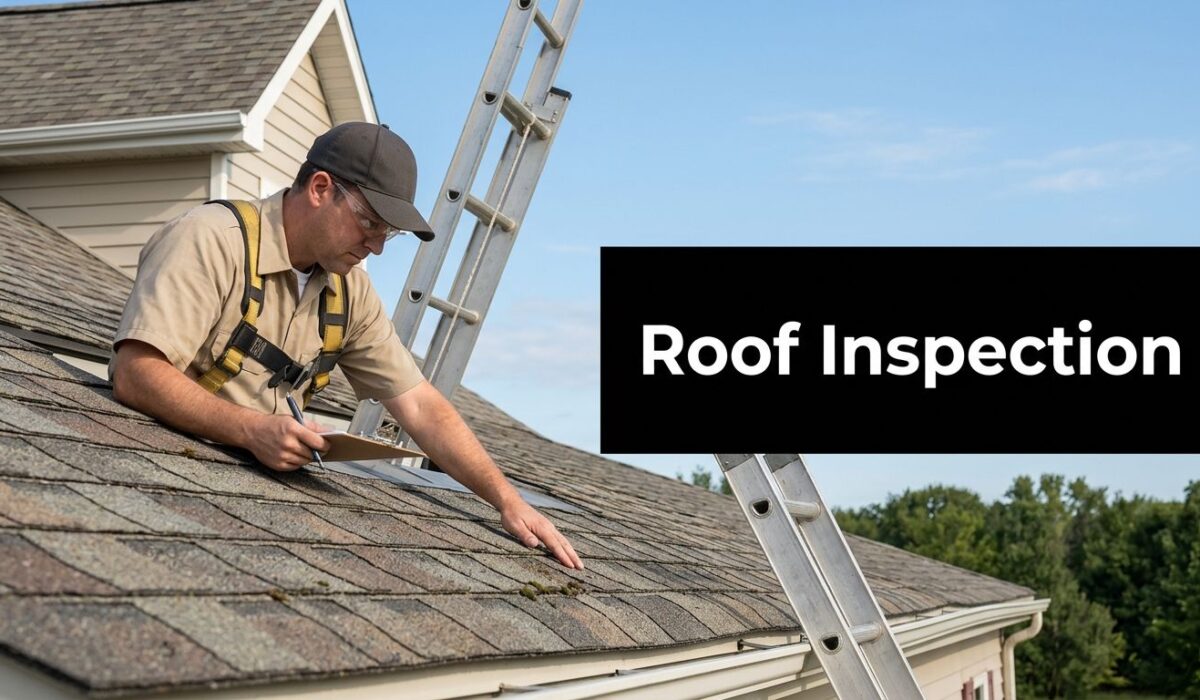
A real estate roof inspection isn't just about finding damage. It's about turning a vague concern into a written, usable document. A good inspection tells you what's worn, what's repairable, what may need replacement, and how those findings should affect the deal in front of you. In Western Pennsylvania, where weather exposure is hard on roofing systems, that distinction matters.
Table of Contents
- Your Dream Home Has a Secret The Roof
- Types of Roof Inspections and When You Need Them
- What a Professional Roof Inspector Actually Checks
- Decoding Common Roof Inspection Findings
- Turning Your Roof Report into Negotiation Power
- Roofing Realities in Hermitage and Western PA
- Frequently Asked Questions About Real Estate Roof Inspections
Your Dream Home Has a Secret The Roof
A common real estate scenario goes like this. The kitchen looks good, the basement seems dry, and the offer is accepted. Then the inspection report mentions shingle damage, aged flashing, or signs of past leaking near a vent stack. Now the buyer wants to know whether to ask for money, ask for repairs, or walk away.
In practice, the answer depends on detail, not panic.
I've seen buyers treat every roof note as a full replacement issue, and I've seen sellers dismiss serious wear as “just age.” Both reactions waste time. What matters is whether the finding points to active water entry, short remaining service life, poor previous workmanship, or simple maintenance that should've been handled earlier.
Practical rule: Don't negotiate from the summary page alone. Negotiate from the actual roofing findings, the photos, and a contractor's interpretation of what those findings mean for the next few years.
This is especially important in places like Sharon and Pittsburgh, where weather can expose weak flashing details, brittle shingles, and drainage problems that may not look dramatic from the driveway. A roof can appear acceptable from the ground and still create lender or insurance concerns once somebody qualified looks closely.
For a first-time homebuyer, the roof feels intimidating because the report uses trade language. But the process becomes manageable once you separate findings into three buckets: what needs immediate action, what needs repair soon, and what only needs monitoring. That's where a focused roof inspection earns its keep.
Types of Roof Inspections and When You Need Them
Not every roof inspection is for the same purpose. In real estate, I tell people to start by asking one question: Why is this inspection being ordered right now? That answer changes what the inspector focuses on and how the report gets used.
Buyer pre-purchase inspections
This is the one most first-time buyers need. The goal is simple. Confirm condition, identify defects, estimate remaining service life, and flag anything likely to affect closing. If the home inspection raised concerns, a dedicated roofing inspection gives the buyer something more precise than a short note in a broad home report.
This is also where smart buyers look at the whole envelope, not just the roof covering. If you're already evaluating a house before closing, it makes sense to understand subsurface drainage too. That's why many buyers also review resources on expert drain surveys from Anytime Drain Solutions when they're trying to avoid hidden water-related surprises.
Seller pre-listing inspections
A pre-listing roof inspection gives the seller control. Instead of waiting for the buyer to uncover a problem during the contingency period, the seller can identify issues early, decide whether to repair them, and list the house with fewer unknowns hanging over the deal.
What works here is honesty and paperwork. If a seller knows the roof is older, getting ahead of the issue often leads to cleaner negotiations than pretending the problem won't come up.
Insurance-related assessments
Insurance carriers often care less about cosmetic wear and more about risk. They want to know whether the roof is serviceable, whether active leakage is present, and whether the condition supports policy issuance or renewal. Buyers run into this when an older roof passes a casual look but still raises insurer concerns.
A roof certification can be part of this process when the buyer needs formal documentation instead of a verbal opinion.
Post-loss evaluations
This type of inspection follows wind, hail, falling limbs, or another event that may have changed the roof's condition. In a real estate setting, this usually comes up when damage occurred after listing or during escrow.
Here's the trade-off:
- Pre-purchase focus: Protects the buyer from inheriting defects.
- Pre-listing focus: Helps the seller avoid surprise renegotiation.
- Insurance focus: Supports underwriting or renewal decisions.
- Post-loss focus: Separates old wear from new damage tied to a specific event.
A good inspection answers the question actually in front of the transaction. It doesn't just produce photos. It produces a usable decision.
What a Professional Roof Inspector Actually Checks
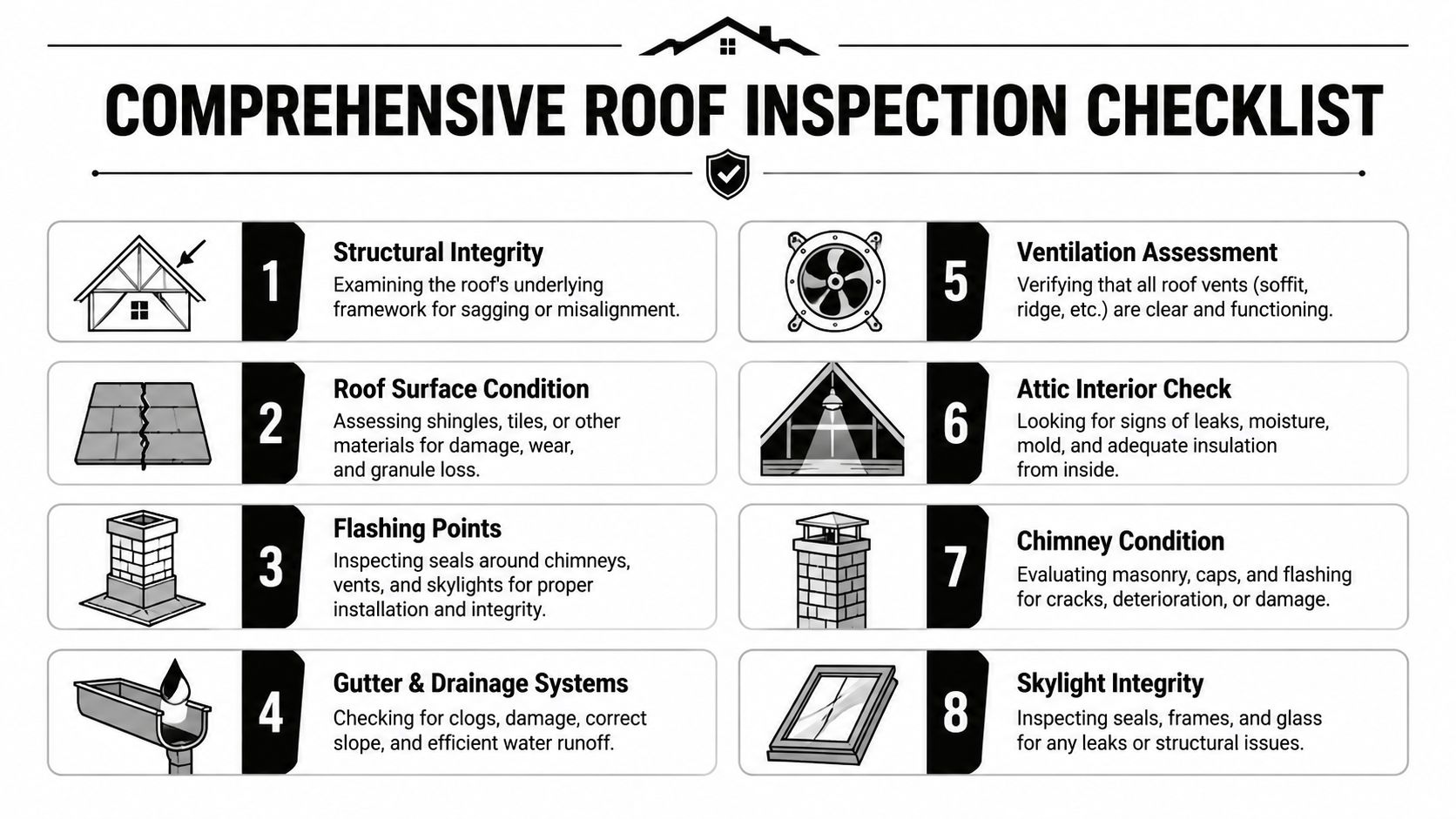
A professional real estate roof inspection is a structured assessment, not a quick glance from the ladder. The written report typically evaluates the roof covering, underlayment, decking, flashing, penetrations, and drainage, then identifies defects and estimates remaining service life. That matters because 19.7% of all home inspection problems are specifically related to the roof, making it the most frequent defect category, and the average standard residential roof inspection runs between $125 and $361 according to the verified industry data cited for this topic.
For buyers trying to understand what a specialty inspection adds beyond a general home inspection, it helps to compare it to how building surveys are tiered in other property markets. A useful example is Corinthian Surveyors London on RICS surveys, which shows how the depth of inspection changes with the purpose of the report.
Surface materials and visible wear
On asphalt shingle roofs, the inspector looks first at the field of the roof. That means missing tabs, torn shingles, lifted edges, exposed nail heads, patchwork, and overall wear patterns. On safely walkable slopes, a closer inspection often reveals whether the roof is aging normally or showing signs of failure.
One technical benchmark matters here. Reportable granule loss on asphalt shingles is classified as exceeding 20% of the total surface area. Once wear reaches that point, the shingles have materially lost protection and may move from deferred maintenance into replacement territory if leaks or exposed decking are also present.
A buyer doesn't need to memorize that threshold. But the buyer should expect the inspector to explain whether the wear is isolated, moderate, or severe enough to shorten the roof's remaining life in a way that matters to the transaction.
Flashing drainage and hidden moisture paths
A lot of roof leaks don't start in the middle of the shingles. They start where materials change or where something penetrates the roof. That includes chimney flashing, pipe boots, skylights, wall intersections, and valley details.
On flat or low-slope sections, inspectors also check for ponding water, which means water remaining on the roof for more than 48 hours after precipitation. That condition points to poor drainage and can be a major warning sign. Standards referenced in the verified data call for a minimum drainage slope of 1/4 inch per foot, and roofs with ponding water have a 2.5x higher probability of premature failure.
When moisture is suspected but not visible, some inspectors use infrared thermography to identify trapped moisture below the membrane. That can be useful on low-slope roofs where surface appearance alone doesn't tell the whole story.
If you want to see the kind of contractor background buyers and agents often verify before ordering this work, review Penn Ohio Roofing & Siding Group qualifications.
Attic clues and written documentation
The exterior only tells part of the story. A good inspector checks the attic or accessible interior spaces for staining, damp sheathing, mold-like growth, daylight intrusion, and ventilation issues. Sometimes the first sign of roof failure is inside the attic, not on top of the roof.
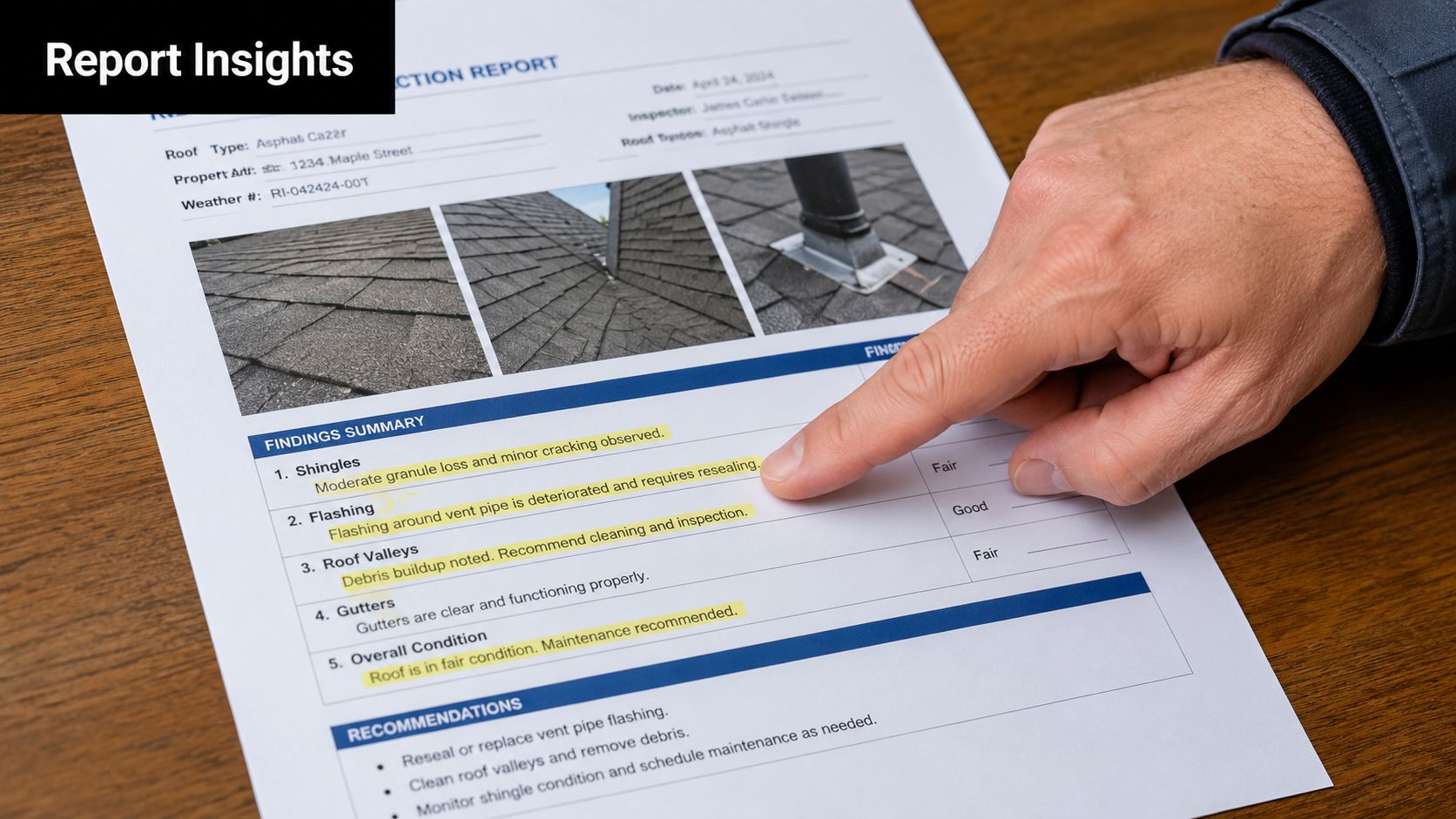
A strong report should include:
- Defect location: Where the issue sits on the roof
- Condition description: What was observed, in plain language
- Urgency level: Immediate action, repair soon, or monitor
- Life estimate: A practical opinion on remaining service life
- Photo evidence: Images tied to the written findings
That written report is what gives buyers, sellers, agents, lenders, and insurers something concrete to work from. Without it, people tend to negotiate from assumptions.
Decoding Common Roof Inspection Findings
Once the report arrives, most buyers don't need more roofing jargon. They need translation. The key is understanding which findings signal ordinary aging and which ones point to risk that can affect closing, insurance, or the first year of ownership.
Industry data shows that 68% of roof defects found during home inspections involve missing or damaged shingles, and adding a roof certification typically costs between $75 and $200, often because buyers or insurers want an official statement on remaining roof life. That's why shingle-related notes deserve close attention.
What the most common findings usually mean
Here's how I'd translate several findings a first-time buyer is likely to see:
- Missing or damaged shingles: Wind, age, or poor fastening may have left parts of the roof exposed. A few isolated shingles can be a repair item. Widespread damage usually means the roof is nearing the end of dependable service.
- Curling or cupping shingles: The edges turn up or distort. That usually points to age, heat stress, or ventilation problems. It may not leak today, but it tells you the system is wearing out.
- Blistering: Raised spots on shingles suggest material breakdown. Blistering alone doesn't always mean immediate replacement, but it's a red flag when paired with broader aging.
- Improper flashing: This is one of the most important findings in any report. Water often enters around chimneys, sidewalls, vents, and skylights long before the field shingles fail.
- Granules in gutters: Shedding granules means the shingle surface is wearing down. A few granules can be normal on newer material, but heavier loss supports an aging diagnosis.
For buyers looking at an asphalt system specifically, it helps to understand how these materials are built and repaired. A straightforward reference is asphalt shingle roofing information from Penn Ohio Roofing & Siding Group.
A quick way to sort severity
Not every defect belongs in the same bucket. A simple field-level sort looks like this:
| Finding | Typical urgency | Why it matters |
|---|---|---|
| Isolated missing shingle | Repair soon | Small exposure can turn into leak risk |
| Active leak evidence | Immediate action required | Water is already entering the house |
| Minor flashing seal wear | Monitor or repair soon | Often manageable if caught early |
| Widespread curling and wear | Higher concern | Suggests short remaining life |
| Localized prior patching | Needs review | May be fine, or may hide repeated trouble |
If the report says “further evaluation recommended,” treat that as unfinished business, not harmless wording.
A roof report becomes useful when you stop reading it as a pass-fail document and start reading it as a priority list.
Turning Your Roof Report into Negotiation Power
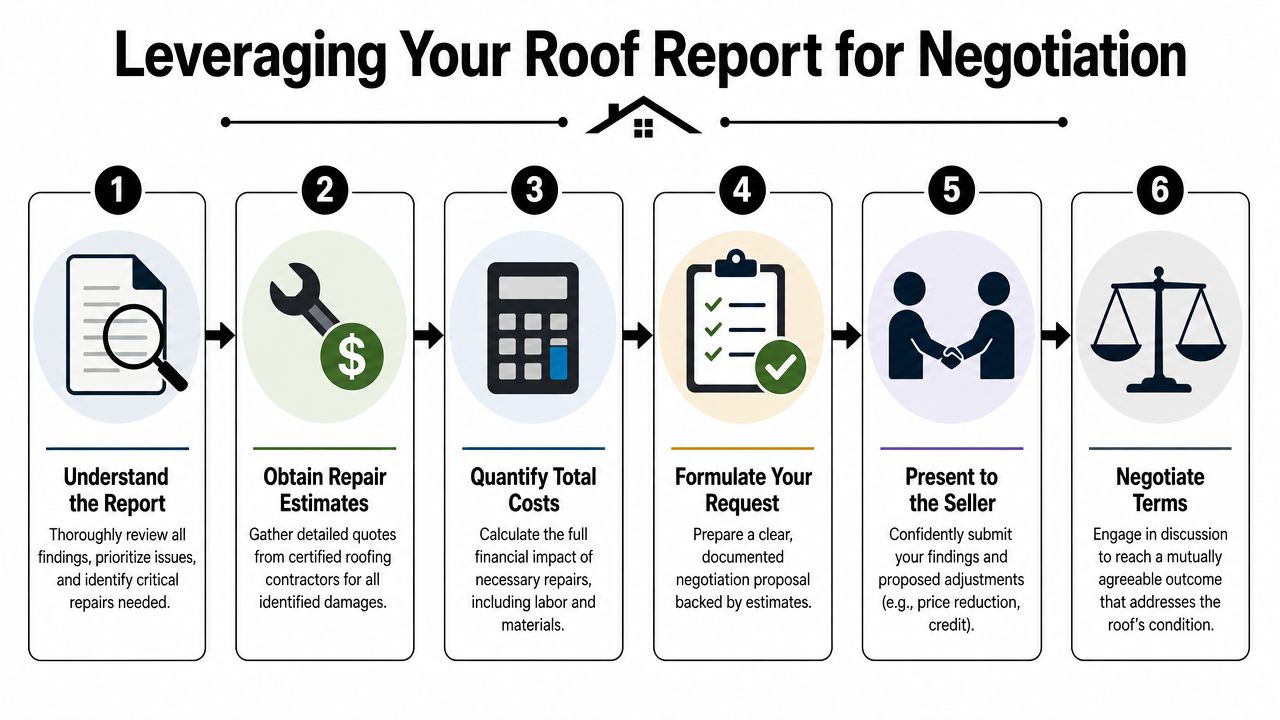
Buyers either protect themselves or diminish their negotiating advantage. A roof report gains value only when transformed into a specific request detailing repair scope, timing, and cost responsibility.
That matters because, according to a 2025 National Association of Home Builders survey, 68% of buyers request a price reduction after a roof inspection, yet only 22% can articulate the specific financial justification for that request, which often stalls negotiations. The buyers who do better are the ones who show their math and connect it directly to the report.
What works in a real negotiation
The strongest roof negotiation usually follows a short, disciplined process.
- Read past the headline. “Roof issues” is too vague to negotiate from. Identify the exact findings.
- Separate active defects from age-related wear. Sellers respond differently to “currently leaking at flashing” than to “older roof with visible wear.”
- Get roofing estimates. If the report says repair or replacement is recommended, obtain written pricing from qualified contractors.
- Choose the right remedy. Sometimes a credit at closing works better than asking the seller to rush repairs before settlement.
- Tie your request to transaction risk. If insurance or lender approval may be affected, say so clearly.
Best negotiating position: Ask for a repair credit, a price reduction, or targeted repairs based on documented findings. Don't ask for a random concession and hope it sounds reasonable.
In my experience, buyers in Sharon, Hermitage, and Pittsburgh get farther when they avoid making the roof argument emotional. Keep it factual. The roof has a documented condition. That condition has a repair path. That repair path has a cost. That's your case.
What usually backfires
Some negotiation tactics sound strong but ultimately weaken your position.
- Overreaching on minor defects: If the roof needs a few repairs and you demand a full replacement, the seller may stop taking the rest of your concerns seriously.
- Using one vague quote: A one-line estimate without scope doesn't help much.
- Ignoring timing: If the closing date is tight, pre-closing repairs may be less realistic than a credit.
- Failing to document deferred maintenance: Buyers often sense the roof has been neglected but don't explain the actual financial consequence.
A useful request package includes the inspection report, contractor estimate, and one paragraph that explains what you want and why. That's far more effective than “the roof looks bad, so we want money.”
Roofing Realities in Hermitage and Western PA
Roofs in Western Pennsylvania age differently than roofs in milder climates. In Hermitage, Sharon, Pittsburgh, and Erie, repeated freeze-thaw cycles, snow loads, ice buildup, and long wet stretches can expose weaknesses that might stay hidden in a drier region.
That's why buyers here shouldn't treat a roof report as routine paperwork. Local weather tends to reveal flaws at transitions, eaves, valleys, and drainage paths. A roof that has “made it this far” can still become a problem quickly if aging materials meet another rough winter.
Why local roof aging looks different
In this part of Pennsylvania, I pay close attention to a few patterns during real estate work:
- Eave-edge stress: Ice buildup can push water backward under roofing materials.
- Flashing fatigue: Chimneys and wall intersections take repeated weather exposure.
- Drainage trouble on lower-slope sections: Water that doesn't move well tends to find weak points.
- Repair history: Older homes around Sharon and Pittsburgh often have layers of patching from different owners over time.
A buyer should ask whether the roof's current condition reflects isolated wear or a history of recurring problems. Those are not the same thing. One may call for a repair. The other may justify renegotiation before closing.
How Pennsylvania transactions treat short remaining life
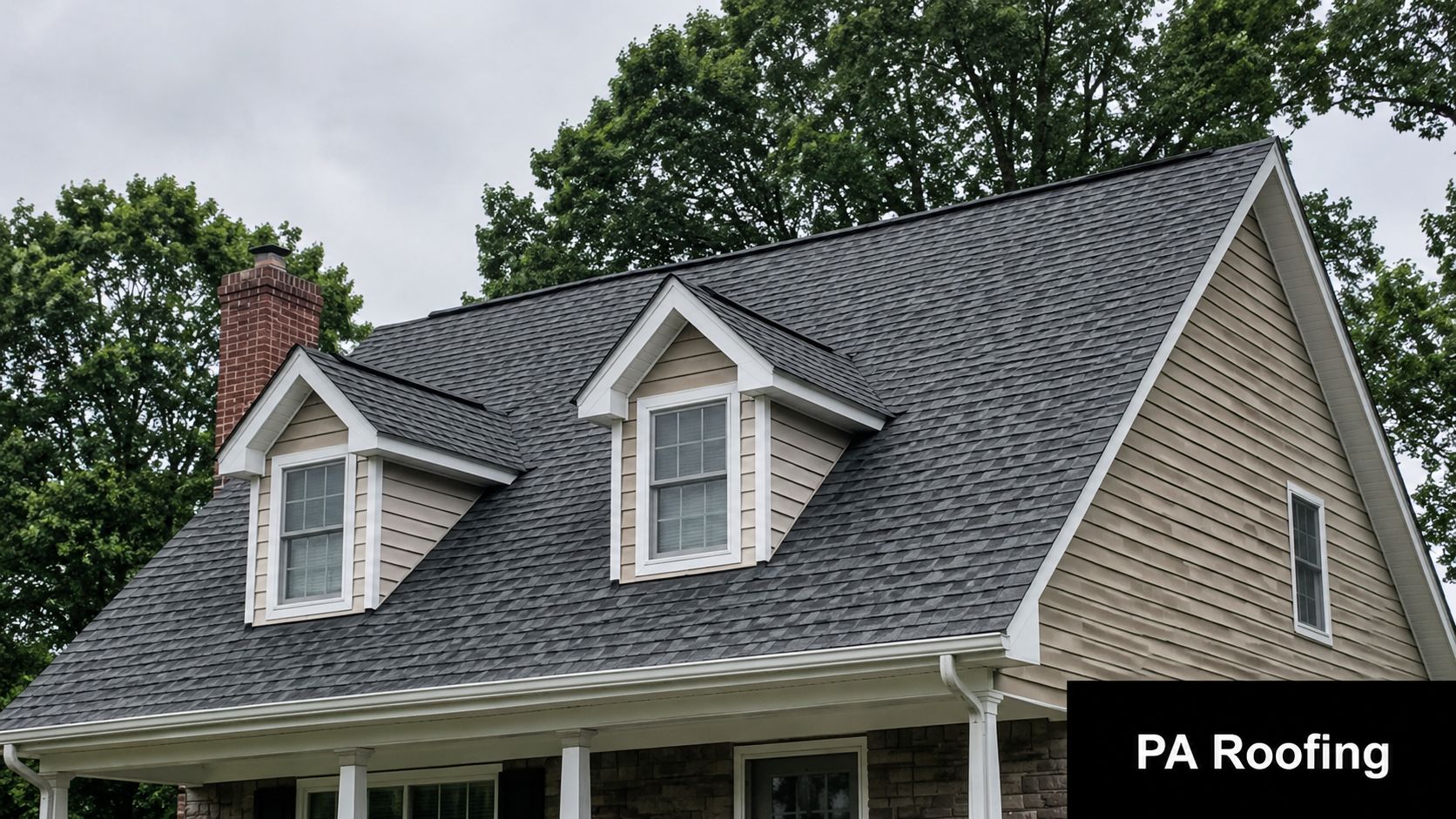
In Pennsylvania real estate, a roof certification indicating less than three years of estimated remaining life often triggers renegotiation or requires the seller to hire a licensed contractor for evaluation, a guideline noted for markets including Sharon, Pittsburgh, and Erie. That's one of the biggest local reasons a roof report can suddenly become central to the sale.
If you're under contract in Hermitage or nearby, that means remaining-life language isn't just a technical note. It can directly shape what happens next with price, repair demands, contractor evaluation, or insurance conversations. For homes in this market, buyers and sellers often need local repair context, especially on older roofing systems affected by harsh winters. One local service reference for that kind of follow-up is roof repair in Hermitage from Penn Ohio Roofing & Siding Group.
The practical takeaway is simple. In Western PA, roof condition doesn't sit off to the side of the transaction. It often drives the next move.
Frequently Asked Questions About Real Estate Roof Inspections
Are drone inspections enough for a home purchase
Sometimes they help. They're especially useful where the roof is steep, fragile, or difficult to access. But they don't automatically replace a hands-on inspection or interior review.
Verified data for this topic states that over 40% of home inspectors now use drones, yet a 2025 IACHI study found that 35% of buyers remain skeptical of the results due to uncertain data accuracy, which leads to additional re-inspections. In plain terms, drone footage can be useful, but many buyers still want a traditional roofing assessment before they rely on it in a contract.
What is a roof certification
A roof certification is a written opinion on the roof's condition and estimated remaining life. In a sale, it's often used to support insurance discussions or reduce uncertainty for the buyer. It isn't the same as a warranty, and it isn't the same as a full replacement recommendation. It's a condition document.
How long does it take to get the report
For a standard real estate inspection, the detailed report is typically delivered within 1 to 2 days after the physical assessment based on the verified data provided for this topic. That speed matters because real estate deadlines move fast.
Should buyers ask for repairs or a credit
That depends on timing and trust. If the seller is still occupying the property and closing is close, a credit often gives the buyer more control over materials, scope, and contractor choice. If the needed work is limited and straightforward, pre-closing repairs can make sense. The best option is the one that solves the documented roof problem without creating a new scheduling problem.
If you're buying or selling a home in Hermitage, Sharon, Pittsburgh, Erie, or the surrounding Western Pennsylvania market, a clear roof inspection can save a deal from drifting into confusion. Penn Ohio Roofing & Siding Group provides roof inspection services for real estate situations, helping buyers, sellers, agents, and property owners understand condition, remaining life, and what the next step should be before closing.