
A roof problem rarely starts with a dramatic collapse. More often, it starts with a brown spot on the ceiling, damp insulation in the attic, or a few shingles on the lawn after a hard wind. That is usually the moment a homeowner starts searching for a Roofing company New Castle PA and realizes how hard it is to tell the solid contractors from the sales-heavy ones.
In New Castle, that decision carries extra weight. Roofs here deal with winter snow, spring rain, summer heat, and the kind of storm damage that can turn a small weakness into interior damage fast. Hiring the right roofer is not just about getting a new surface installed. It is about protecting the framing, insulation, drywall, gutters, and the resale value underneath it.
Protecting Your Home Starts with Choosing the Right Roofer
A hard windstorm rolls through New Castle at 2 a.m. By breakfast, there is a stain near the chimney, shingle grit in the downspout, and a neighbor telling you to file an insurance claim before anyone even checks the roof. That is how expensive mistakes start.
The first roofer you call can shape everything that follows. In this area, a contractor has to understand more than shingles. They need to recognize hail bruising versus old granule loss, know where ice backs up on lower slopes, and explain whether a metal roof or asphalt shingle system makes more sense for your house, budget, and exposure to wind. They also need to document storm damage clearly if an insurance adjuster is getting involved.
Penn Ohio Roofing & Siding Group is a family-owned business serving New Castle and the surrounding Lawrence, Mercer, and Beaver counties. That local experience shows up in the decisions that matter. A repair around flashing may buy years on one home, while the same symptom on an older roof with widespread wear means replacement should be discussed before the next freeze-thaw cycle opens the leak further.
Small exterior issues can turn into roof trouble
Water rarely enters only where homeowners expect. Overflowing gutters, buried downspouts, clogged valleys, and debris packed behind guards can force water back under the first course of shingles and rot the roof edge over time. If you already have guards installed, this guide on how to clean gutters with gutter guards the right way is a solid reference for routine maintenance.
Storm season adds another layer. After hail or wind, homeowners often get pushed toward a full replacement before anyone checks collateral damage to flashing, ridge caps, fascia, soffit, and gutters. A careful inspection should separate cosmetic wear from claim-worthy storm damage and give you photos you can use effectively. If you want to review common warning signs before scheduling that visit, this roof damage signs guide for New Castle homeowners is a useful place to start.
The right roofer lowers risk. Clear photos, a direct explanation of repair versus replacement, and honest guidance on insurance paperwork protect your house better than a fast sales pitch ever will.
Decoding Your Roofs Distress Signals
Some roof problems are obvious. Others hide in plain sight for months. Knowing what you are looking at helps you ask better questions and avoid paying for the wrong fix.
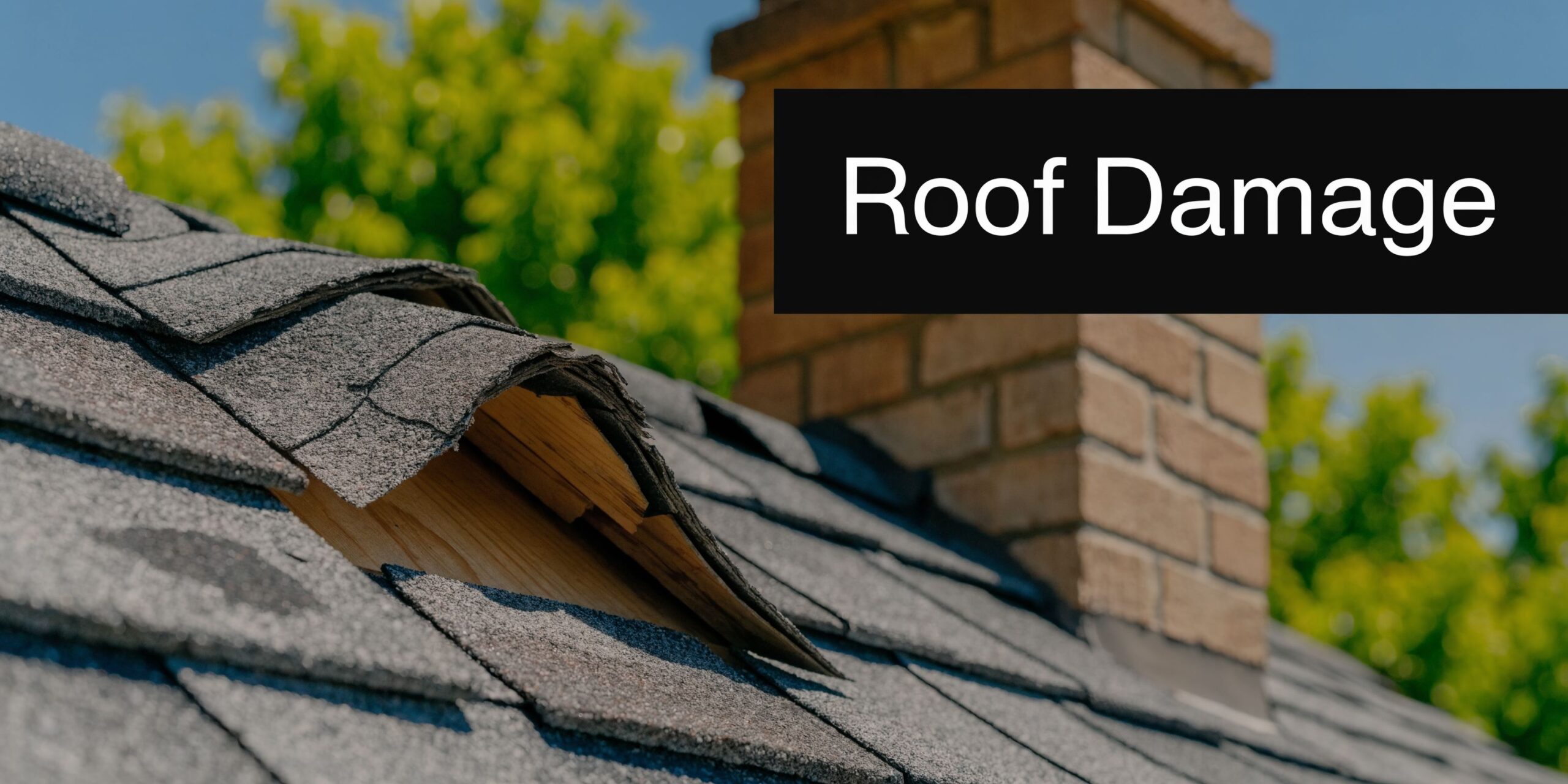
Signs that often point to a repair
A roof does not always need full replacement. In many cases, a targeted repair handles the issue if the rest of the system is still sound.
Look for problems like these:
- A few missing shingles: Wind can remove isolated shingles without meaning the whole roof is done.
- Localized flashing trouble: Chimneys, pipe boots, wall intersections, and skylight edges often fail before the field shingles do.
- A small interior stain: If it is traced quickly, the source may be limited to one detail rather than broad system failure.
- Minor debris impact: A branch strike can damage one section while the remaining roof stays serviceable.
If you want a visual checklist before you call anyone, this page on roof damage signs helps homeowners compare what they see from the ground with common roofing failures.
Signs that usually mean replacement should be discussed
Some symptoms tell a different story. They suggest the roof system is wearing out, not just suffering one isolated problem.
Pay attention to:
- Widespread curling or cracking: That usually means the roofing material has aged beyond a simple spot repair.
- Granule loss across multiple slopes: Asphalt shingles lose protection as the surface wears down.
- Sagging areas: This can point to trapped moisture, deck weakness, or long-term structural stress.
- Repeated leaks in different locations: Multiple leak points usually mean the system has broader weaknesses.
- Flat roof seam separation: On low-slope roofs, seam failure can allow water migration well beyond the visible leak point.
Why underlayment and ventilation matter
The visible roof covering gets most of the attention, but hidden components often decide whether a roof holds up after a storm. According to Angi data cited by Liberty Roofing Pros, inadequate underlayment contributes to 30% of post-storm roof failures, and improper attic ventilation can lead to 25% premature shingle degradation in some cases, which is why installation details matter as much as material choice (Liberty Roofing Pros).
For homeowners trying to reduce leak risk between inspections, this overview of roof leak prevention is a useful companion to routine maintenance.
Key takeaway: A roof can look passable from the driveway and still be failing at the seams, flashing, or attic level.
How to Vet a Top Roofing Company in New Castle PA
A New Castle homeowner usually starts looking for a roofer after a leak, missing shingles, or a windstorm notice from the insurance carrier. That is the worst time to sort through vague estimates, big promises, and out of town crews knocking on the door. The hiring process needs to slow down right there.
Start with legal and practical basics
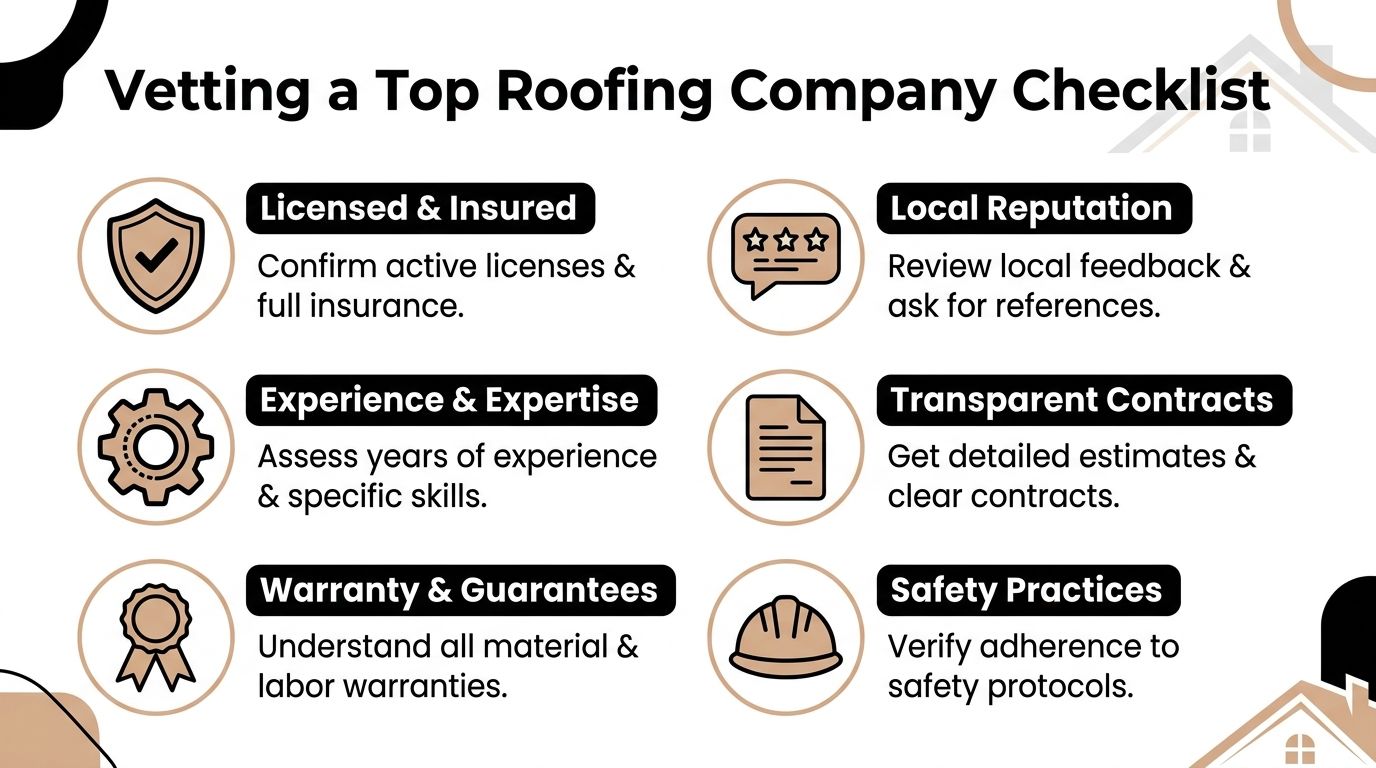
Pennsylvania requires many home improvement contractors to register with the Attorney General's Office, and a roofer should be able to show that registration if the job falls under those rules. Insurance matters just as much. For a homeowner, those two items help protect against liability, property damage, and unfinished work.
Ask for proof before you talk about colors or price.
Use direct questions:
- Are you properly registered for home improvement work in Pennsylvania
- Can you provide current proof of liability and workers' compensation insurance
- Who supervises the crew on site each day
- Who handles permits if they are needed
- Will the written estimate spell out materials, scope, exclusions, and cleanup
A good contractor answers those quickly and in plain language.
Know what the paperwork protects
Homeowners hear "licensed," "bonded," and "insured" constantly. The terms only matter if the contractor can explain what they mean on your job.
- Registered or licensed where required: The company has met the state or local requirements that apply to its work.
- Bonded: There may be a financial backstop tied to contract obligations, but homeowners should ask what the bond covers and what it does not.
- Insured: Liability and workers' compensation coverage help if the house is damaged or someone is injured on site.
If the roofer gets slippery here, stop. The same goes for expired certificates, missing business information, or a proposal written under a different company name than the insurance document.
Ask how they handle New Castle weather, not just installation
Local roofing work is not only about nailing shingles straight. Freeze thaw cycles, heavy rain, wet spring tear-offs, lake-effect wind, and occasional hail all test the weak points. A contractor worth hiring should be able to explain how they flash chimneys and walls, how they protect exposed decking if weather turns, and how they document storm damage for insurance claims.
That last point matters more around here than many homeowners realize. After a storm, you want a roofer who can separate wear and tear from claim-related damage and who knows how to photograph, mark, and explain what the adjuster is seeing. If the company talks like every roof automatically gets bought by insurance, be careful. That is sales talk, not jobsite reality.
Manufacturer recognition can help, but ask what stands behind it
Certifications are useful when they reflect training, warranty requirements, and inspection standards. The GAF Triple Excellence Award, held by Penn Ohio Roofing & Siding Group, is one example of a manufacturer-related credential homeowners may see while comparing local contractors, as noted by the BBB roofing contractors in New Castle.
Still, a badge does not replace a clear scope of work. Ask what the certification allows the contractor to offer, whether it affects warranty options, and whether the crew installing your roof follows those manufacturer standards every day.
For homeowners comparing bids, this guide on how to choose a roofing contractor is a useful checklist.
Red flags that should end the conversation
Some problems show up before anyone sets a ladder.
Watch for these signs:
- Heavy pressure after a storm: Fast signatures and insurance promises usually benefit the salesperson, not the homeowner.
- Large cash payment requests upfront: A deposit can be reasonable. An aggressive demand for cash before materials are ordered is not.
- No local accountability: If the company cannot explain where it is based, who runs service calls, or who returns for warranty work, expect trouble later.
- No discussion of ventilation, flashing, or underlayment: That usually means the estimate is focused on surface materials only.
- A one-number proposal: If you cannot see what is included, you cannot compare one bid to another.
- Loose answers on metal versus shingles: In this climate, material choice affects snow shedding, repair approach, noise expectations, and long-term maintenance. A roofer should be able to explain the trade-offs for your house.
What a solid estimate should include
A roofing estimate should read like a work plan. It should identify the roof areas being replaced, the material type, the tear-off method, flashing details, ventilation changes, and how damaged sheathing will be priced if it shows up after removal.
It should also explain cleanup, dumpster placement, nail sweeping, and who communicates with you if bad weather delays the schedule. If the job may involve an insurance claim, the estimate should be clear enough for a carrier adjuster to follow without guesswork.
The best proposal usually is not the cheapest. It is the one that shows the contractor has thought through the job from first tarp to final magnet sweep.
Understanding Local Costs and Choosing the Right Materials
A New Castle roof can look fine in October and show its weak points by February. Heavy wet snow, ice at the eaves, and repeated freeze-thaw swings put different stress on roofing materials than a milder climate would. Cost matters, but material choice matters just as much because it affects how the roof handles those seasonal cycles year after year.
Price usually shifts based on roof size, pitch, access, tear-off layers, flashing complexity, and whether bad decking shows up after removal. Material is only one line in that equation. Labor, underlayment, ventilation changes, disposal, and detail work around chimneys, valleys, and wall intersections can move the total more than homeowners expect.
That is why a low square price can mislead. Two roofs with the same footprint can carry very different replacement costs once slope, cut-up geometry, and repair risk are factored in.
Shingles versus metal in a New Castle four-season climate
For many homes here, the primary decision is architectural shingles or standing seam metal. Both can perform well. The better choice depends on how the house is built, how long you plan to stay, and how your roof handles snow, wind, and drainage now.
Architectural shingles usually win on upfront affordability and simpler spot repairs. If a branch damages one section or a few tabs get torn up in a wind event, patching that area is often more straightforward and less expensive than matching and repairing metal. Shingles also suit a lot of older New Castle homes where the look of the neighborhood matters.
Metal earns its higher price in different ways. It sheds snow faster, stands up well to repeated freeze-thaw conditions, and has fewer exposed seams on a standing seam system than many homeowners realize. On homes where snow tends to sit on the north side, or where ice dams keep coming back near gutters and valleys, metal can solve problems that shingles only manage.
There is a trade-off. Fast snow shedding can dump a lot of weight at the eaves or over walkways if the roof is steep, so snow retention may need to be part of the design. Metal repairs also require a crew that knows the system. A bad patch on metal stands out fast and can create leak paths around clips, fasteners, or penetrations.
What often makes sense in practice
Architectural shingles are often the better fit when:
- Lower upfront cost is a hard limit
- The roof has a layout where future small repairs are likely
- The home fits a traditional asphalt look
- The owner may sell in the nearer term
Standing seam metal often makes more sense when:
- The owner plans to stay long enough to benefit from the longer service life
- Lake-effect snow and freeze-thaw cycling have been hard on the current roof
- The roof has recurring ice dam or snow load concerns
- Long-term maintenance is a bigger priority than the initial invoice
Roofing Material Comparison for New Castle PA Homes
| Feature | Architectural Shingles | Standing Seam Metal |
|---|---|---|
| Upfront cost | Usually lower | Usually higher |
| Appearance | Traditional residential look with many style options | Cleaner, more modern look |
| Repair approach | Often easier to patch in small sections | Repairs require material-specific skill |
| Snow and ice handling | Good performance with proper underlayment, ventilation, and ice protection | Strong snow shedding and solid performance in freeze-thaw conditions |
| Storm response | Can be easier to repair after isolated wind damage | Often durable, but panel and trim repairs need experienced hands |
| Expected service life | Depends heavily on installation quality, attic ventilation, and storm exposure | Often chosen for long service life and lower maintenance |
| Long-term value | Strong choice when budget control matters most | Strong choice when lifespan and weather resistance matter more |
Match the material to the house and the claim history
Insurance matters here too. After hail or wind, asphalt damage is often easier for adjusters to identify because granule loss, creasing, and torn tabs are visible. Metal can hold up better in some storms, but claim discussions can get more technical when the issue is cosmetic denting versus functional damage. Homeowners dealing with repeated storm claims should ask the roofer how each material tends to be documented for insurance in western Pennsylvania conditions.
The right recommendation should come from the roof in front of you. A ranch with shallow slopes, a steep two-story with big snow slides, and an older home with ventilation problems should not all get the same answer. A good local roofer explains the trade-offs clearly, prices the details transparently, and helps you buy for New Castle weather instead of buying for a sales pitch.
Navigating the Roofing Project From Contract to Cleanup
A roofing job gets stressful fast when the crew shows up, starts tearing off shingles, and nobody has explained what happens if they find bad decking or an afternoon storm rolls in. Homeowners in New Castle need more than a price and a start date. They need a clear process, especially in a four-season climate where weather delays, moisture, and storm-related repairs are part of the work.
Before tear-off starts
The contract should spell out more than the roof system and the total price. It should cover who pulls permits if needed, how change orders are handled, what happens if rotten decking turns up, how the property will be protected, and when payment is due. If those details are vague on paper, they usually stay vague once the job starts.
Timing matters too. In this area, a straightforward replacement may move quickly, while a steep roof, a large home, bad weather, or deck repairs can stretch the schedule. Morning frost, rain during tear-off, and wet sheathing can all slow safe installation. A good contractor says that up front instead of promising a perfect timeline they cannot control.
Ask where materials will be dropped, where the dump trailer will sit, and how shrubs, siding, and driveways will be protected. That short conversation prevents a lot of avoidable damage.
What should happen during installation
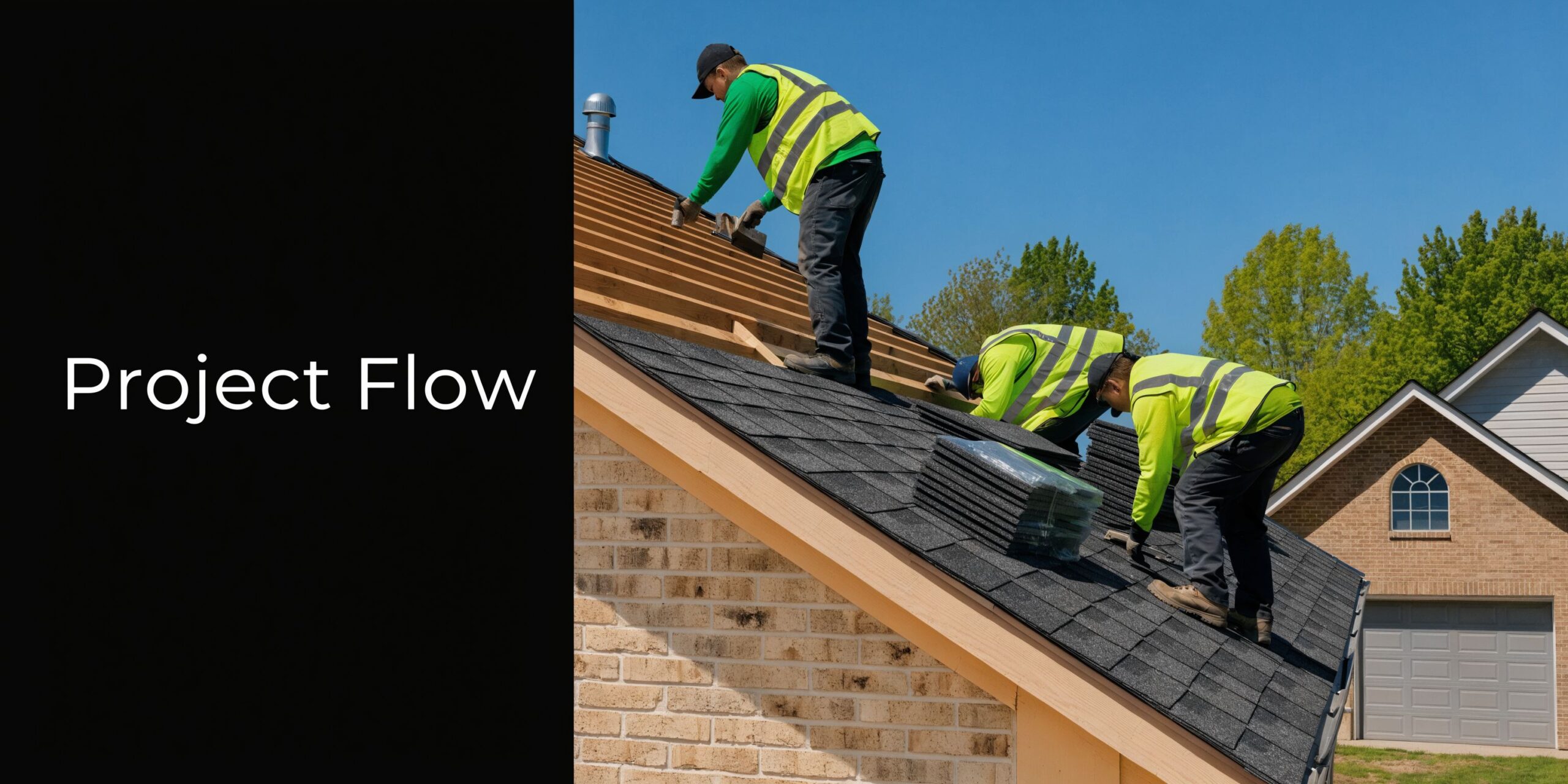
A proper replacement follows a clear sequence, and each step affects how the roof holds up through snow, wind, and freeze-thaw cycles.
Site protection
Tarps, catch systems, and staging should be in place before tear-off begins.Tear-off and deck inspection
Once the old roof is off, the crew can inspect the sheathing for soft spots, rot, sagging areas, and nail-holding problems. This is often where the true condition of the roof becomes clear.Water barrier, underlayment, and flashing
These details do a lot of the hard work in western Pennsylvania. Ice protection at eaves, proper flashing at chimneys and walls, and clean pipe boot installation matter just as much as the visible roofing material.Roof covering installation
Shingles or metal panels need to be installed to manufacturer specs, with close attention to valleys, ridges, penetrations, and transitions. Metal roofs especially demand precision at trim and fastening points. A sloppy detail on metal can be harder to fix than a missed shingle on an asphalt roof.Ventilation check
Intake and exhaust have to work together. If the attic is holding heat and moisture, the new roof starts life with a problem already built in.
This stage also affects future insurance paperwork. If your roof replacement follows a storm claim, keep the contract, change orders, photos, and material records together. Homeowners who want a clearer picture of that paperwork can review the roof insurance claim process in New Castle before work begins.
What communication should look like
Good communication is practical, not polished. If rain is coming, you should know whether the roof will be dried in that day. If damaged decking is found, you should get photos and a price before extra work is done. If the crew is switching from shingles to metal on part of the house, or tying new work into an older section, you should hear the trade-offs in plain language.
That matters in New Castle because weather can change the plan quickly. A contractor who works here regularly should know how to secure a roof overnight, protect exposed areas, and restart cleanly after a delay.
Homeowners should verify service details with any contractor they consider. For example, Penn Ohio Roofing & Siding Group lists new installations, repairs, and 24/7 emergency service for the New Castle area. Those are useful details to confirm before you sign, along with who your day-to-day contact will be if the scope changes.
Tip: Ask one direct question before work starts. “If you find bad wood or weather stops the job, who calls me, how soon, and how is that documented?”
The final walkthrough matters
The last day tells you a lot about the contractor.
A proper closeout includes debris removal, a magnetic nail sweep, inspection of gutters and siding, review of any decking repairs, warranty paperwork, and a final look at flashing, ridge caps, vents, and cleanup around the house. If metal was installed, check that trim lines are straight, fasteners are consistent, and loose shavings have been cleaned off so they do not stain the panels.
Do not treat cleanup as a small detail. A careful finish usually reflects careful work in the places you cannot see.
Managing Storm Damage and Insurance Claims Like a Pro
Storm damage is where many homeowners get overwhelmed. The roof is leaking, the ceiling is stained, and the insurance process feels built for adjusters and contractors, not for families trying to protect a home.

What to do right after the storm
Start with safety. Do not climb a wet or damaged roof yourself.
Take these steps instead:
Photograph what you can see safely from the ground
Capture missing shingles, dented metal, fallen branches, damaged gutters, and interior stains.Protect the interior
Move valuables, place containers under active leaks, and reduce further water spread where possible.Document the timing
Write down when the storm hit and when you first noticed damage.Call a roofer for an inspection
A contractor can help distinguish cosmetic issues from functional damage.Contact your insurer once you have initial documentation
That keeps the claim grounded in evidence, not guesswork.
Why contractor involvement matters
Pennsylvania storms frequently cause extensive residential roof damage claims, and choosing a GAF-certified contractor who handles insurance filings directly can reduce claim denial rates by as much as 40% compared to non-specialists, according to Shell Restoration’s roofing page.
That matters because insurance claims often fail on details. Missing photos. Weak scope descriptions. Incomplete documentation. Adjuster visits without the roofer present. Those gaps can cost homeowners money or delay needed work.
One helpful resource for understanding that workflow is this guide to the roof insurance claim process.
Common mistakes that slow claims down
Homeowners often make the same avoidable errors:
- Waiting too long to document damage
- Throwing away damaged materials before photos
- Accepting a verbal opinion instead of a written inspection
- Signing a vague agreement before understanding scope
- Assuming every leak is automatically covered
Key takeaway: The strongest claims are built with clear photos, prompt inspection, written scope, and contractor participation during the insurance review.
A contractor should help you document what failed, where it failed, and what proper restoration requires. That is the difference between patching symptoms and restoring the roof correctly.
Your Partner for a Secure Roof Over New Castle
A good roofer protects more than shingles. They protect your budget, your interior, your timeline, and your peace of mind. In New Castle, that means choosing a contractor who understands storm damage, knows how materials perform through all four seasons, and puts details like underlayment, flashing, and ventilation where they belong, at the center of the job.
When homeowners want a Roofing company New Castle PA that brings local experience, clear documentation, and practical guidance to the process, the right fit is the contractor who treats the roof like a system and the customer like a neighbor.
If you need straight answers about repairs, replacement options, or storm claim support, contact Penn Ohio Roofing & Siding Group for a roof evaluation and a clear next step for your home or property.