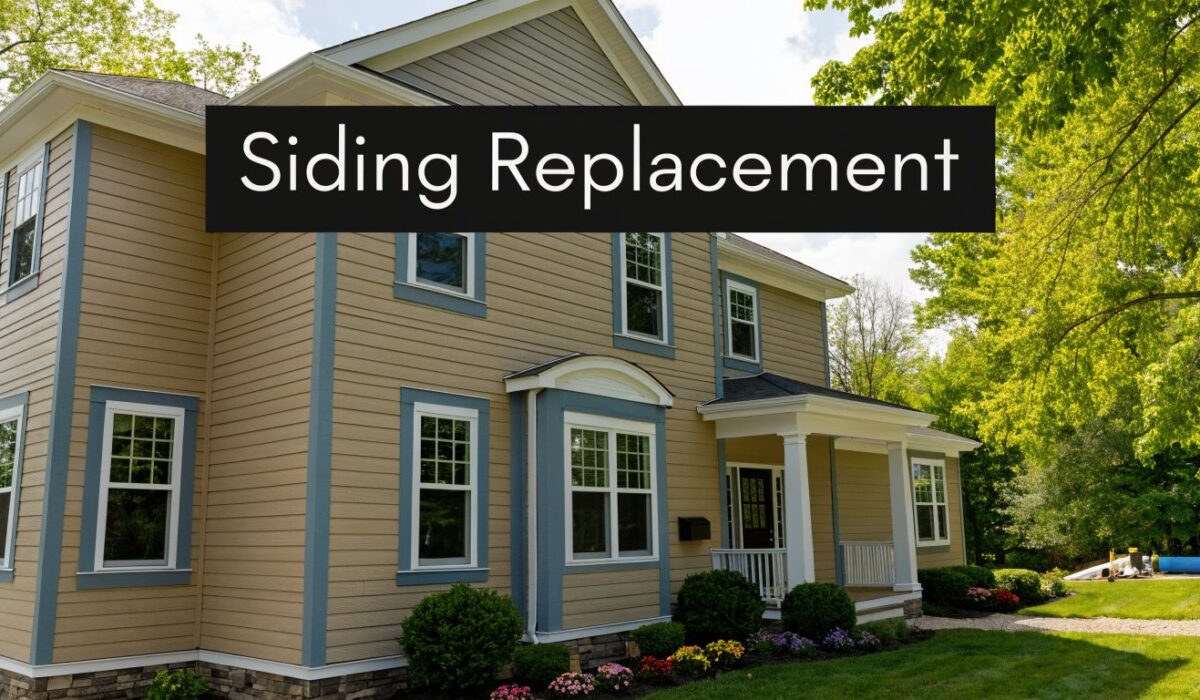
You walk outside after a long Mercer County winter and the siding tells the story before you even touch it. A panel has loosened near a corner. The color on the sunny side looks tired. One section near the hose bib feels brittle, and now you're wondering if this is just normal wear or the start of a bigger problem.
That’s the point where most Sharon homeowners start looking for real answers, not generic national advice. Siding replacement Sharon PA isn’t just about curb appeal. Around here, the exterior has to deal with snow load, wind, humid summers, and repeated freeze-thaw stress that can turn a small crack into water intrusion by the next season.
Is Your Home Ready for a Sharon PA Winter
If your siding already looks chalky, loose, or warped in late summer or early fall, winter usually makes it worse. Sharon sits in a climate that asks a lot from exterior materials. The local weather isn’t mild, and the siding on your house has to handle that reality every year.
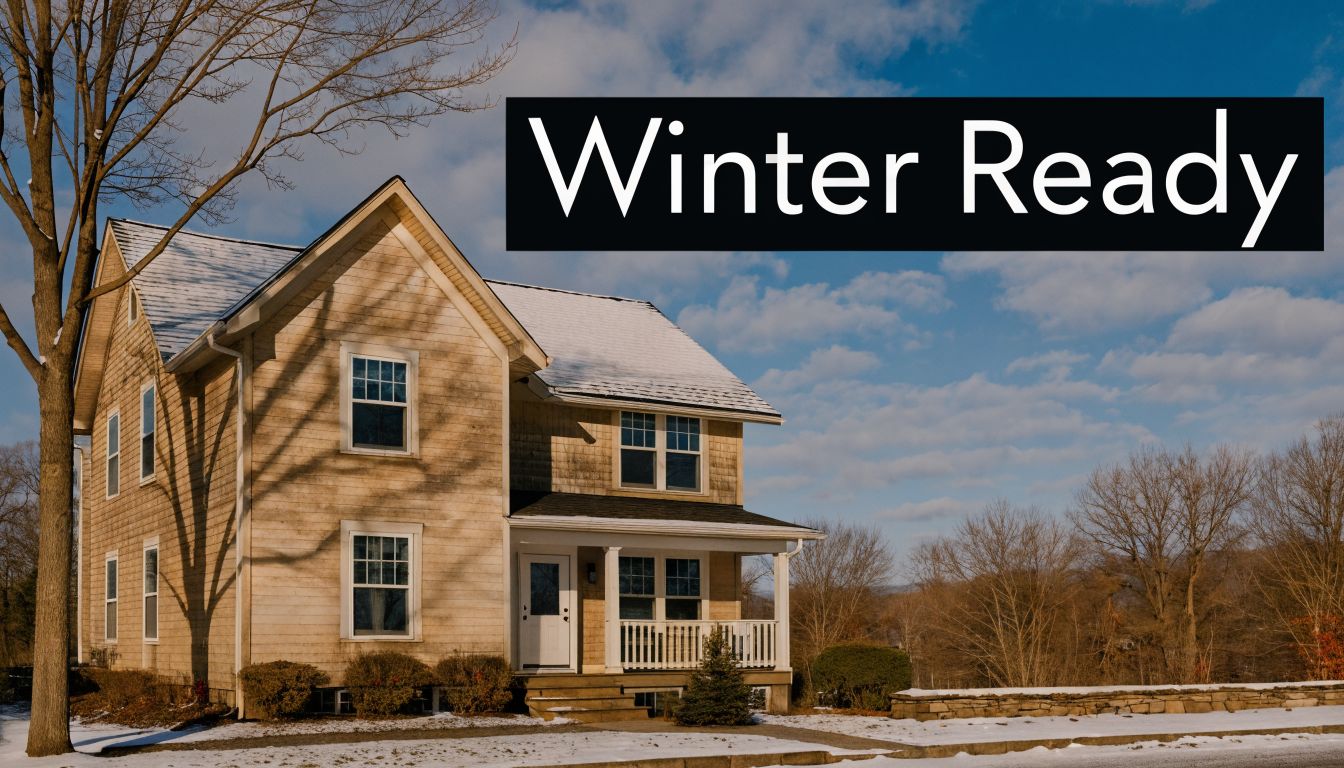
Sharon, in Mercer County, gets average annual snowfall of 52 inches, and the temperature swings create harsh freeze-thaw cycles. Regional reporting also notes that these conditions accelerate wear on standard siding, and a 2025 study on Northeast PA homes found severe winter storms can increase siding failure rates by 25% for non-insulated materials according to local Sharon siding climate details.
What winter exposes first
Cold weather finds weak points fast:
- Open seams: Wind pushes cold air and moisture behind loose panels.
- Brittle corners: Repeated freezing can turn a minor crack into a broken edge.
- Moisture traps: Snow and ice hold water against trim lines, window edges, and lower wall sections.
- Hidden wall damage: Once water gets behind the siding, sheathing and framing can start deteriorating before you notice anything indoors.
That’s why homeowners who are also dealing with roof edge issues should understand how siding and ice problems often connect. If you're seeing icicles, wet fascia, or staining near the eaves, this guide on how to prevent ice dams is worth reading alongside your siding inspection.
Practical rule: If siding feels soft in one area, pulls away at a corner, or shows repeated cracking after winter, treat it as a building-envelope problem, not just a cosmetic one.
A fresh siding job should do more than make the house look clean. It should seal the wall system, protect vulnerable trim, and hold up through the kind of winters Sharon gets year after year.
Seven Telltale Signs You Need Siding Replacement
Some siding problems are obvious from the driveway. Others only show up when you walk the perimeter slowly and look at joints, lower courses, and trim lines. If you’re trying to decide whether you need a repair or full replacement, start with these signs.
Visual damage you can spot from the ground
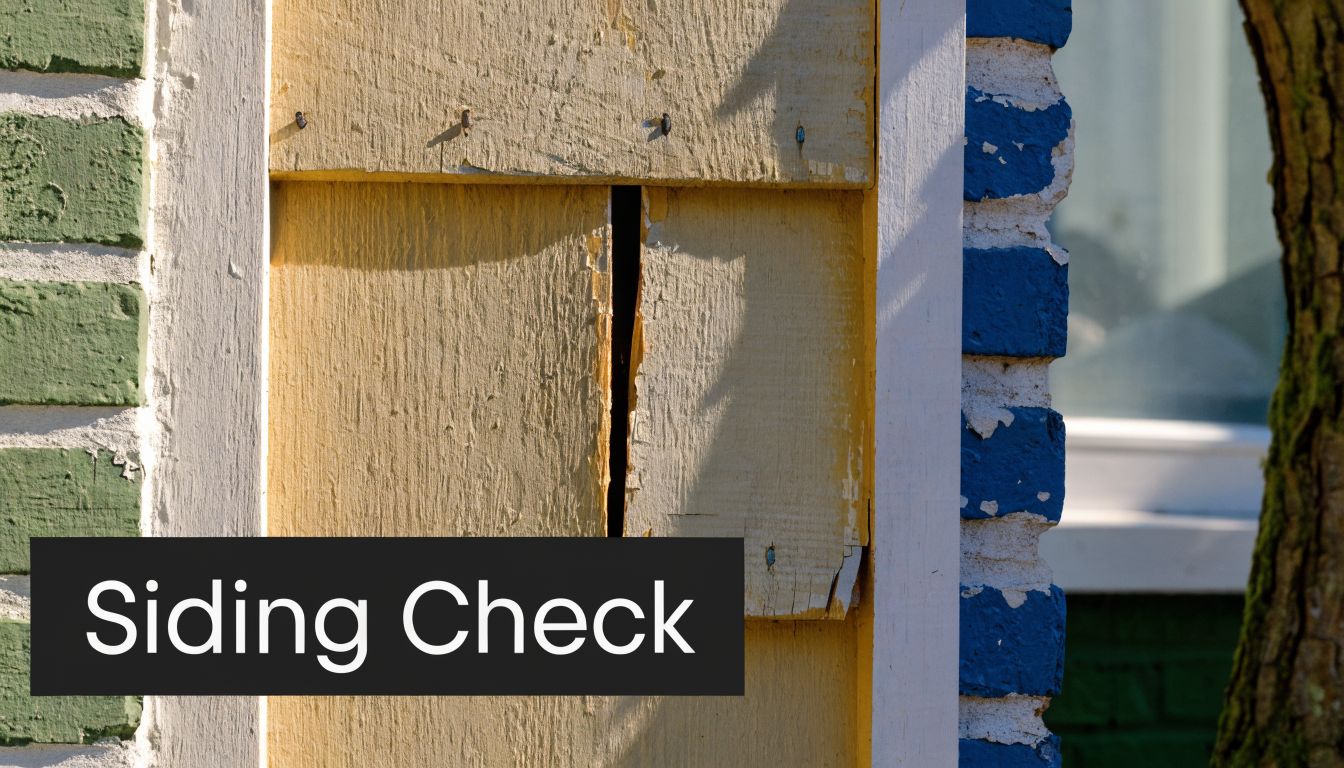
Cracks and splits
Small cracks near corners, outlets, or the bottom edge of panels usually mean the material has lost flexibility. In Sharon, that often happens after enough cold-weather expansion and contraction cycles.Warping or rippling
Siding should sit flat and consistent. When panels look wavy or buckled, water, heat exposure, poor fastening, or wall movement may be involved. Warping rarely fixes itself.Fading and chalking
If you rub the surface and get a powdery residue on your hand, the finish is breaking down. Faded siding isn’t always an emergency, but it often shows the material is aging out.
Signs around joints, trim, and lower walls
The lower portions of a home usually tell the truth first. Splashback from rain, snow buildup, and lawn moisture all work on the same areas.
- Gaps at seams or corners: These create direct pathways for air and water.
- Bubbling or swelling: That can point to trapped moisture behind the surface.
- Loose trim pieces: Trim movement often means the surrounding siding system is also shifting.
- Mold or mildew staining: Especially on shaded sides of the house, this can indicate moisture isn’t drying the way it should.
If mildew keeps returning after cleaning, don’t assume it’s just a surface issue. Persistent staining often means moisture is hanging around longer than it should.
Interior clues that point back to the siding
Not every siding problem starts outside. Sometimes the first hint is what’s happening inside the home.
Watch for these changes
- Drafts near exterior walls
- Paint or drywall issues near windows
- Musty smells after rain
- Heating or cooling bills that suddenly feel out of line with the season
When siding loosens, cracks, or allows moisture behind the wall, the house has to work harder to stay comfortable. Even without visible leaks, the wall system can lose effectiveness.
When repair stops making sense
A single damaged section can sometimes be repaired. But replacement is usually the better call when:
| Condition | What it usually means |
|---|---|
| Damage appears on multiple elevations | The material is aging system-wide |
| Panels are brittle across sunny and shaded sides | The siding has reached the end of service life |
| Moisture problems are recurring | The wall system likely needs inspection under the surface |
| Matching old siding is difficult | A patch may stand out and still not solve the underlying issue |
If you’re seeing more than one of these signs at the same time, it’s smart to move from “watching it” to getting the house evaluated.
Siding Materials Compared for Pennsylvania Homes
A Sharon homeowner can pick a siding sample in ten minutes and still make the wrong choice. The harder part is choosing a product that holds up through wet spring weather, freeze-thaw swings, lake-effect wind, and the kind of winter exposure we see across Mercer County.
Material matters. Installation details matter just as much. A good panel installed poorly will still fail around windows, butt joints, and roof lines.
What matters most in Sharon
In this area, I tell homeowners to judge siding on four things first: how it handles moisture, how it handles temperature movement, how much upkeep it needs, and whether it fits the budget for the whole job, not just the panels.
Sharon homes also vary a lot by age. Older houses near the city often have wall assemblies that need more prep once the old siding comes off. Farmhouse and postwar homes around Mercer County can hide uneven sheathing, past water entry, or trim details that make one material a better fit than another. Permit and inspection requirements can also affect the choice if the scope includes wall repairs, insulation changes, or structural work behind the siding.
Siding Material Comparison for Sharon, PA
| Material | Average Cost (per sq ft installed) | Lifespan | Maintenance Level | Pros | Cons |
|---|---|---|---|---|---|
| Vinyl | $6 to $9 | Long-term with proper installation | Low | Lower upfront cost, broad color and style selection, easy to maintain | Lower-grade panels can warp, crack, or look loose sooner |
| Fiber cement | $8 to $14 | Long-term | Low to moderate | Strong appearance, solid feel, good for a painted-wood look | Heavier product, higher labor cost, more cutting and trim detail |
| Engineered wood | $7 to $11 | Long-term with proper maintenance | Moderate | Warmer look than standard vinyl, lighter than fiber cement, good design flexibility | Needs careful water management and periodic upkeep |
| Natural wood | $9 to $15 | Varies by care and exposure | High | Classic character, authentic wood appearance | Ongoing maintenance, more vulnerable where moisture control is weak |
| Stone veneer accents | $18 to $30 | Long-term | Low | High curb appeal for entryways and foundations | Usually too expensive for full coverage |
Installed cost ranges above align with national siding cost ranges published by HomeAdvisor's siding cost guide, then adjusted for the material and labor patterns we commonly see in western Pennsylvania.
Vinyl siding makes sense for many Sharon homes
Vinyl is still the most common replacement choice here for a reason. It gives homeowners the lowest entry price on a full reside, and routine maintenance is about as simple as it gets.
The catch is quality. Thin vinyl can rattle in the wind, show waviness on long walls, and get brittle faster after repeated cold-weather cycles. Better-grade panels cost more up front, but they usually look cleaner and stay straighter over time. That trade-off is worth discussing before the contract is signed, not after the first winter.
Style matters too. Homeowners who want more texture often ask about shake profiles rather than plain horizontal lap. If that look fits your house, our guide on installing cedar shake siding shows where it works well in Pennsylvania.
Fiber cement fits homeowners who care more about finish than lowest price
Fiber cement has a sturdier feel and a more custom look, especially on homes where standard vinyl would look too flat or too light. It works well for homeowners who want crisp trim lines and a painted appearance.
It also asks more from the installer. The product is heavy, cutting takes more time, and details around clearances, flashing, and fastening need to be right. In Sharon, that matters because a siding system that traps moisture through winter and spring will not stay trouble-free for long.
Engineered wood has a place, but only with good moisture control
Engineered wood appeals to homeowners who want a wood-style appearance without going all the way to natural wood. It often lands between vinyl and fiber cement on both price and appearance.
I like it best on houses where we can keep good clearance from roofs, decks, and grade, and where gutters and drainage are already under control. If the home has splash-back areas, heavy shade, or recurring moisture at lower walls, I would rather address those conditions first or steer the homeowner toward a different product.
Natural wood and stone are usually specialty choices
Natural wood still looks great on the right house. It also requires regular painting or staining, and Sharon weather is not forgiving when maintenance gets delayed.
Stone veneer is usually an accent product, not the main siding choice. It can add a lot to a front entry or foundation line, but it changes the budget fast.
Quick decision guide
- Choose vinyl if low maintenance and lower upfront cost are the priority.
- Choose fiber cement if appearance and rigidity matter more than keeping the price down.
- Choose engineered wood if you want a warmer, wood-style look and the house has strong water management details.
- Choose natural wood if you want authentic character and accept regular upkeep.
- Use stone veneer as an accent if you want visual impact on a limited part of the exterior.
The best material is the one that fits your house, your maintenance habits, and Sharon’s weather. A sample board can help with color. It cannot tell you how that wall system will perform after a Mercer County winter.
Understanding Siding Replacement Costs in Sharon PA
A Sharon homeowner usually calls after the same moment. A windy February day hits, the heating bill climbs, and a loose panel starts rattling on the cold side of the house.
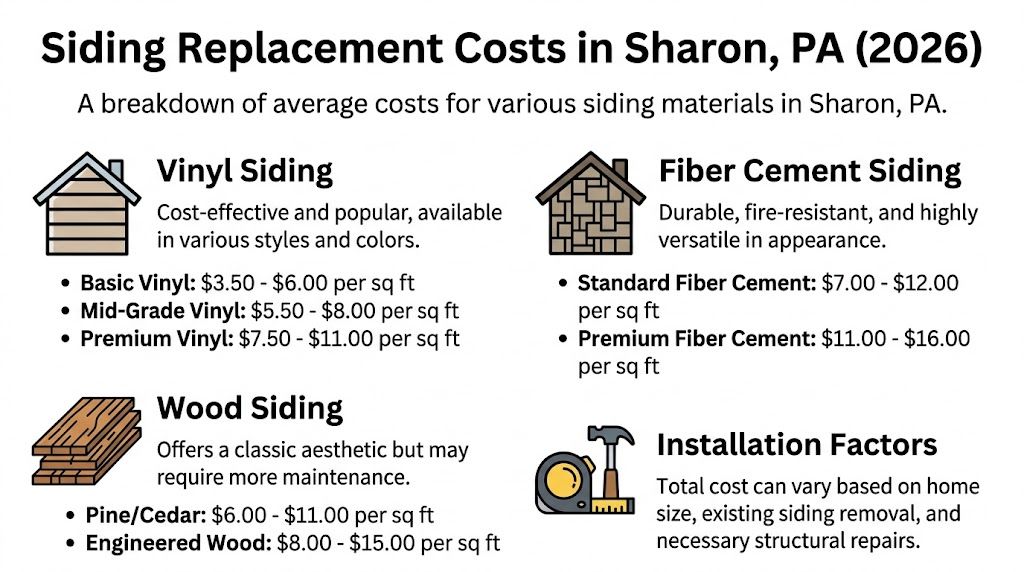
Cost matters, but the better question is what the price includes. In Sharon and across Mercer County, siding quotes can vary widely because labor, wall repairs, trim details, and access often change the final cost more than the siding itself.
Why one Sharon home costs more than another
Two houses can have similar square footage and still end up far apart on price. A one-story ranch in a neighborhood with open access is usually faster and simpler than a two-story home with dormers, porches, tight side yards, or a lot of custom trim.
Local conditions also affect cost. In Sharon, older homes often have layers under the existing siding, uneven walls, or moisture damage around windows, doors, and lower wall sections. Once the old siding comes off, those issues need fixed before new materials go on. That protects the house, but it also changes the final total.
Permit requirements can add a small administrative step too. Depending on scope, Mercer County area projects may require permit review or code-related corrections, especially if wall repairs, insulation details, or exterior changes are part of the job. Homeowners should ask up front who is handling that paperwork and whether permit costs are included.
The biggest factors behind the final quote
Material choice
Vinyl is usually the most budget-friendly installed option. Fiber cement, engineered wood, and specialty accents raise both material and labor cost.Wall shape and height
More corners, gables, window groups, and second-story work mean more cutting, staging, and labor hours.Tear-off and hidden repairs
Sheathing damage, old water entry, and problem areas around trim are common cost changers on Sharon homes.Trim and exterior accessories
Soffit, fascia wrap, corner posts, shutters, light blocks, and new window or door trim all add to the scope.Site access
Decks, fences, narrow driveways, overhead lines, and landscaping can slow setup and installation.Season and scheduling
Winter conditions, rain, and freeze-thaw cycles in western Pennsylvania can stretch the calendar or limit when certain parts of the work should be done.
Budgeting tip: Ask for a line-by-line quote. Homeowners should know whether tear-off, disposal, house wrap, flashing updates, trim replacement, permit fees, and possible sheathing repairs are included or treated as extras.
Cost ranges by material
Installed siding costs often track closely with broader Pennsylvania remodeling data published by HomeBlue's Pennsylvania siding cost guide, but Sharon-area pricing still moves based on access, repair work, and product grade.
| Material | Typical installed cost range |
|---|---|
| Vinyl siding | $6 to $9 per sq ft |
| Engineered wood | $8 to $12 per sq ft |
| Natural wood | $9 to $15 per sq ft |
| Stone veneer accents | $18 to $25 per sq ft |
A low quote is not always a better quote. I would rather see a clear estimate with realistic allowances for tear-off and wall repair than a cheap number that grows once the crew starts opening walls.
The Penn Ohio Replacement Process From Start to Finish
A well-run siding project shouldn’t feel chaotic. Homeowners should know what’s happening, what comes next, and what the crew is looking for once the old exterior comes off.
The first visit and project planning
The process starts with a site visit and full exterior review. Measurements are taken, problem areas are noted, and the conversation usually covers more than color. This is when a good contractor should ask about drafts, moisture concerns, previous repairs, and any wall sections that seem to fail repeatedly.
Material selection comes next. Samples help, but so does talking through how the house sits on the lot, how much direct sun it gets, how exposed it is to weather, and how much maintenance you want to deal with later.
Ordering, scheduling, and prep
Once the scope is set, the materials are ordered and the job is scheduled around weather and site access. In Sharon, that matters. Rain, cold snaps, and wind can all affect timing, especially on exposed elevations.
Before installation starts, the crew should protect landscaping, clear work zones, and set expectations for parking, deliveries, debris removal, and daily cleanup. That sounds basic, but it’s one of the biggest differences between a smooth job and a frustrating one.
Tear-off and wall inspection
Old siding comes off first. This is the point where hidden issues finally become visible.
A proper tear-off gives the crew a chance to inspect:
- Sheathing condition
- Moisture damage around windows and doors
- Flashing details at roof-to-wall areas
- Trim rot at corners and penetrations
- Problem spots around decks, porches, and hose bibs
If the wall underneath isn’t sound, installing new siding over it only hides the problem.
New siding should never be used to cover bad substrate. The wall has to be solid before the finish layer goes on.
Installation and final walkthrough
After wall repairs and prep are complete, the new siding system goes on with trim, accessories, and detail work. That includes corners, starter strips, finish channels, and clean transitions at windows, doors, soffits, and roof lines. Good crews pay attention to symmetry and panel layout, not just speed.
The project should end with a full cleanup and walkthrough. That’s when the homeowner gets a clear explanation of what was replaced, where any hidden issues were found, what maintenance is recommended, and how warranty documentation works.
Permits can come into the conversation depending on the scope of work and local requirements. A contractor handling siding replacement Sharon PA should be ready to explain whether permit coordination applies to your project instead of leaving you to guess.
Maximizing Your Investment with Warranties and ROI
Siding replacement is a major expense, but it isn’t just an expense. If the current exterior is failing, replacement can protect the structure, improve efficiency, cut repeat repairs, and strengthen resale appeal at the same time.
Nationally, siding replacement delivers a 75% to 95% ROI, and energy-efficient upgrades may qualify for federal rebates up to $3,200. In Mercer County, Penelec also offered rebates up to $1,500 in 2026, and bundling roof and siding work after a storm can save 15% to 20% on total project costs according to siding ROI and rebate guidance.
Where homeowners see the value
The return isn’t only about a future sale. It also shows up in the avoided problems.
A replacement often makes sense when you’re dealing with repeated repairs, chronic drafts, visible aging, or storm-related damage that keeps coming back in the same places. At that point, patching can become the expensive option because you keep paying for labor without solving the wall-system problem.
Insurance and bundled storm work
If a storm damages both the roof and siding, handle the whole exterior strategically. Bundling the work can reduce labor overlap and help simplify project coordination.
That matters most when the same storm event affected multiple parts of the house. Matching timelines, access equipment, disposal, and repair sequencing can make the project more efficient and less disruptive.
When storm damage hits more than one exterior system, it’s smart to evaluate everything at once before authorizing piecemeal repairs.
Warranties that matter
Homeowners should ask about two separate protections:
Material warranty
This covers the product itself, subject to the manufacturer’s terms.Workmanship warranty
This covers installation quality. It matters because even a strong product can fail early if it’s fastened, flashed, or detailed poorly.
A good warranty conversation should also cover what maintenance the homeowner is responsible for. Cleaning, caulking at specific transitions, and regular visual checks around penetrations all help protect the investment.
Choose a Trusted Local Expert for Your Sharon Home
Siding work is one of those projects where local knowledge really matters. A contractor who understands Sharon homes, Mercer County weather, and the way older exteriors tend to fail in this region will usually spot things that a generic sales process misses.
That starts with the estimate. Homeowners should ask how the contractor handles tear-off findings, moisture damage, trim transitions, and ventilation tie-ins. If you want a smart checklist before signing anything, these questions to ask before hiring a contractor are a useful way to compare bids and avoid vague promises.
What to look for in a siding contractor
| What to check | Why it matters |
|---|---|
| Local experience | Sharon weather and housing stock create specific installation challenges |
| Licensing and insurance | Protects you during a major exterior project |
| Detailed scope of work | Prevents confusion about trim, repairs, and disposal |
| Product knowledge | Helps you choose the right material instead of the cheapest sample |
| Clear communication | Keeps surprises from turning into disputes |
Homeowners in this area are usually better served by a contractor who works in Mercer County regularly and understands how to plan exterior projects around local conditions. If you're comparing local options, this page for a siding contractor in Mercer PA is a good starting point for evaluating service fit and regional experience.
The best choice usually isn’t the one with the fastest pitch. It’s the one that gives you a clear scope, honest expectations, and a finished exterior that still looks right after a few Pennsylvania seasons.
Frequently Asked Questions About Siding Replacement
Can I replace only one side of my house
Sometimes, yes. Partial replacement makes sense when damage is limited and matching materials are still available. If the existing siding is faded, brittle, or discontinued, partial work can look patched and may not address hidden issues on other walls.
What happens if damage is found under the old siding
The contractor should stop, document the condition, and explain the repair needed before installation continues. Common issues include wet sheathing, trim rot, and weak spots around windows, doors, and roof-to-wall intersections.
Which siding lasts best in Pennsylvania weather
That depends on the product quality and installation. In this climate, the best performers are the systems installed with proper wall prep, flashing, and trim details. Material choice matters, but installation quality decides whether the wall stays dry.
Is permit approval always required
Not always. Permit requirements can depend on project scope and local enforcement. Ask early so you know who is responsible for handling it.
What should I do before the crew arrives
Move grills, furniture, potted plants, and anything fragile away from the walls. Inside the house, take down items hanging on exterior walls since tear-off and fastening can cause vibration.
If your home is showing signs of wear, storm damage, or rising exterior maintenance, Penn Ohio Roofing & Siding Group can help you sort out whether repair or full replacement makes more sense. We’re a family-owned company serving Mercer, Beaver, and Lawrence counties with more than 25 years of experience, and we offer free, no-obligation estimates so you can get clear answers before making a decision.