When you invest in a new metal roof, you’re not just getting a single warranty. It’s more like a bundle of different promises, each covering a specific part of your roof system for a different amount of time. You'll find separate guarantees for the metal panels, the color finish, and even the quality of the installation, all with their own fine print.
Table of Contents
- Understanding the Parts of Your Metal Roof Warranty
- How a Transferable Warranty Boosts Your Property Value
- Common Mistakes That Can Void Your Warranty
- Why Your Contractor Holds the Keys to Your Warranty
- Metal Roof Warranty Questions Answered
Understanding the Parts of Your Metal Roof Warranty
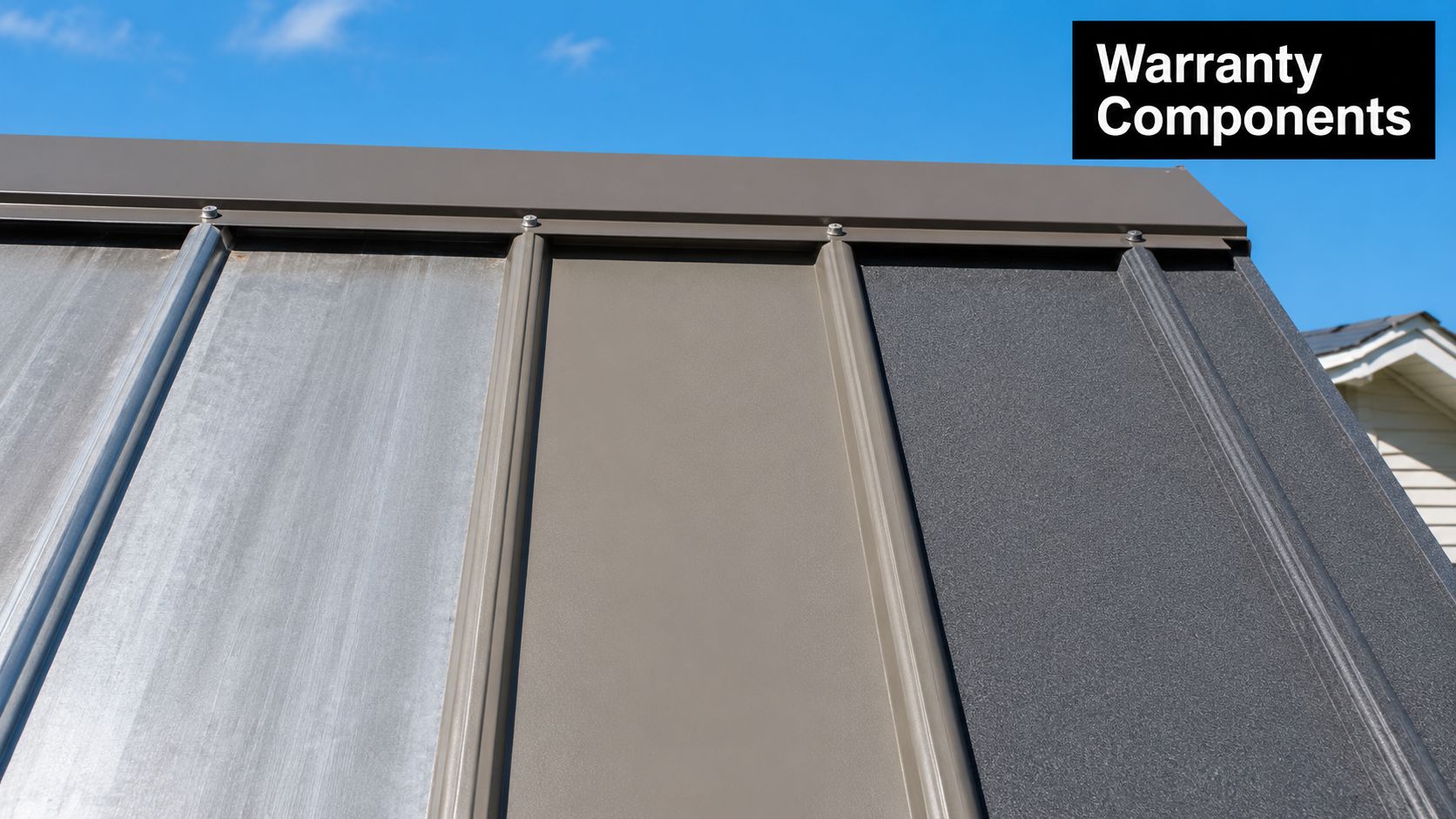
Think about the warranty on a new car. You don't just get one blanket policy; there are separate guarantees for the engine, the paint job, and the powertrain. A metal roof warranty works the same way. For homeowners across Pennsylvania, from Pittsburgh to Erie, getting a handle on these layers is the best way to protect your investment.
The Three Main Types of Protection
Your roof’s warranty is typically built on three distinct pillars. Knowing what each one covers is crucial, as they are not interchangeable.
Substrate Warranty: This is the core guarantee for the metal panel itself. It protects against structural failure, like rust-through corrosion, ensuring the raw material won't fail before its time.
Paint & Finish Warranty: This warranty is all about aesthetics. It protects the visual appeal of your roof by covering issues like excessive chalking, fading, or peeling of the color coating.
Workmanship Warranty: This is your contractor's promise that they installed the roof correctly. It covers problems that stem directly from installation mistakes, like a leak caused by improperly installed flashing. A strong workmanship warranty is a sign of a confident and skilled installer.
Metal Roof Warranty Types at a Glance
To make it easier to see how these warranties differ, here is a quick comparison of the three primary guarantees you will encounter.
| Warranty Type | What It Covers | Typical Duration |
|---|---|---|
| Substrate Warranty | The integrity of the base metal against rust-through corrosion. | 30–45 years (often prorated) |
| Paint & Finish Warranty | The paint's performance against excessive chalking, fading, and peeling. | 30–45 years (often prorated) |
| Workmanship Warranty | Errors and defects related to the installation, such as leaks. | 5–10 years (can vary widely) |
As you can see, the manufacturer's warranties for the materials often last much longer than the installer's guarantee on the labor.
It’s completely normal for these warranties to have vastly different timeframes. The substrate and paint warranties can last 30 to 45 years, but a workmanship warranty from an installer is often much shorter, typically in the 5 to 10-year range.
A metal roof warranty is not one single promise but a bundle of protections with different time horizons and conditions. Understanding this is the first step toward making a confident investment.
The reason for the difference is simple: a workmanship warranty guarantees the process of installation, not the long-term durability of the materials themselves. For more insights on what you can expect, a bit of research on reputable industry resources can provide excellent context.
Don't forget that what's under the panels is just as important. The right underlayment is critical to your roof’s long-term health; to learn more, check out our best underlayment for metal roofing guide.
What Your Warranty's Fine Print Is Really Telling You
A 40-year warranty sounds fantastic, but that big number on the sales brochure doesn't tell the whole story. The real strength of your metal roof warranty is buried in the details—the fine print that spells out exactly what is and isn't covered.
Think of it like any insurance policy. It's a contract with specific rules, and it’s not designed to cover every possible scenario. Taking the time to understand these terms before you sign is the single best thing you can do to protect your investment and avoid major headaches down the road.
Common Exclusions to Watch For
The very first place to look in any warranty document is the "Exclusions" section. This is where the manufacturer lists everything they won't pay for, and that list can be long. For homeowners in places like Sharon, PA, where the weather can throw anything at us, paying close attention here is non-negotiable.
You'll almost always find these common exclusions:
- "Acts of God": This is a catch-all for major natural events. Think damage from tornadoes, hurricanes, lightning strikes, or unusually large hail.
- Unauthorized Alterations: If you decide to add a satellite dish or a new skylight, make sure it's done by the book. Any modification that hasn't been approved or is installed improperly can void your warranty in a heartbeat.
- Improper Maintenance: A "set it and forget it" attitude can get you into trouble. If you let leaves and debris pile up, clogging your gutters and holding moisture against the panels, a resulting claim will likely be denied for neglect.
- Damage from Dissimilar Metals: This is a classic "gotcha." Certain metals cause a chemical reaction when they touch, leading to rapid corrosion. A perfect example is letting a copper drain pipe empty onto a galvanized steel roof—the damage that causes is on you, not the manufacturer.
Understanding "If, Then" Coverage
Beyond the list of outright exclusions, you’ll find what can be called "if, then" coverage. This means the warranty only kicks in if a problem meets a very specific, measurable standard.
For instance, almost all paint warranties cover fading. But here's the catch: they often won't cover it unless the color change is severe enough to register a specific number on the Hunter Delta E scale, a tool that measures color differences. The fading might be obvious to your eye, but if it doesn't hit that technical benchmark, it's not considered a defect.
The same goes for chalking, where the warranty might state the chalky residue has to exceed a certain rating before it qualifies for a claim. This is why it’s so important to have your contractor walk you through these conditions.
Knowing the difference between a real defect in the manufacturer's eyes and something that just looks off can save you a lot of frustration. Whether you’re in Pittsburgh or Erie, understanding these potential red flags ensures your warranty provides real protection, not just an empty promise.
How a Transferable Warranty Boosts Your Property Value
A high-quality metal roof is a serious investment, designed to protect your property for an impressive 40 to 70 years. But what happens if you decide to sell long before the roof reaches the end of its life? This is where a transferable metal roof warranty becomes one of your most powerful selling points.
Think about it this way: a non-transferable warranty simply vanishes the moment you sell your property. The new owner gets zero protection. A transferable warranty, on the other hand, passes that coverage along, giving the next owner genuine peace of mind. It’s like buying a used car that still has the original factory warranty—a clear sign of quality and a much safer bet.
A Major Advantage in the Real Estate Market
In competitive real estate markets like Pittsburgh, PA, a transferable warranty can make all the difference. It immediately tells potential buyers that your roof is a top-tier system installed with care and maintained properly. This isn't just a talking point; it can directly lead to a higher property valuation and help your home sell faster.
Let’s be honest, the upfront cost of a standing seam metal roof—often between $20,000 and $36,000 for a typical home—is significant. That investment is much easier to justify when it’s backed by a premium manufacturer's 50-year transferable coverage. It reframes the roof as a long-term asset, not a temporary expense. The security of a robust metal roof warranty provides decades of asset protection. If you want to dive deeper into how these costs and lifespans factor into the decision, you can explore detailed insights on modern metal roofs.
How to Transfer Your Metal Roof Warranty
Be aware that the transfer process isn't automatic. You and the buyer have to take a few proactive steps. If you don't follow the manufacturer's specific procedure, the warranty could become void, so it’s crucial to get it right.
A transferable warranty is more than just a piece of paper; it’s a strategic financial tool. It provides tangible proof of quality that assures the next owner they are inheriting a durable, well-cared-for asset, not a future problem.
While every manufacturer is a little different, the process generally requires a few key actions:
- Official Notification: You must formally notify the manufacturer about the property sale, usually within a set window of time like 30 to 60 days after closing.
- Completing Paperwork: Both you (the original owner) and the new owner will likely need to fill out and sign transfer documents.
- Paying a Fee: Some manufacturers charge a small administrative fee to process the warranty transfer.
For anyone looking to sell a property in Pennsylvania communities like Sharon or Erie, checking that your metal roof warranty is transferable should be at the top of your to-do list. It’s a feature that adds real, measurable value and makes your home stand out from the crowd.
Common Mistakes That Can Void Your Warranty
A great metal roof warranty feels like a safety net, but it's important to understand it's not a free pass. Think of it as a partnership; both the manufacturer and you, the homeowner, have responsibilities. It's possible for homeowners in Pennsylvania to get a nasty surprise when they learn that a simple, honest mistake has put their coverage at risk.
Your warranty is a powerful tool, but it comes with a user manual. Ignoring the rules, even unintentionally, can leave you facing a major repair bill that you thought would be covered.
Unapproved Modifications and Improper Maintenance
One of the fastest ways to void your warranty is to make changes to the roof without getting the green light first. This includes things you might not even think about, like mounting a new satellite dish, adding a solar panel, or even pressure washing the panels with the wrong chemicals. Any modification that changes the roof from its original, professionally installed condition can give the manufacturer an easy reason to deny a claim.
The same goes for basic upkeep. If you let leaves, pine needles, and other gunk pile up in the valleys of your roof, you're trapping moisture against the metal. This can lead to rust and corrosion that your warranty won't cover because it's considered a maintenance issue. Most warranties spell out that you need to perform and document regular cleanings to keep your coverage in good standing.
Installation and Repair Missteps
Here’s a hard truth: even the best metal roofing panels on the market will fail if they aren't installed correctly. Something as basic as using the wrong type of fastener or improperly sealing around a vent pipe creates a weak spot. When that spot fails, the manufacturer will point to the installation error, not a product defect, and your warranty won't apply.
Correct anchoring is absolutely critical. For a great technical example, look at the principles behind preventing carport storm damage; the same concepts of securing a structure against mother nature apply to your roof, and getting it wrong can have big consequences.
This infographic shows some of the most common—and easily avoidable—mistakes we see.
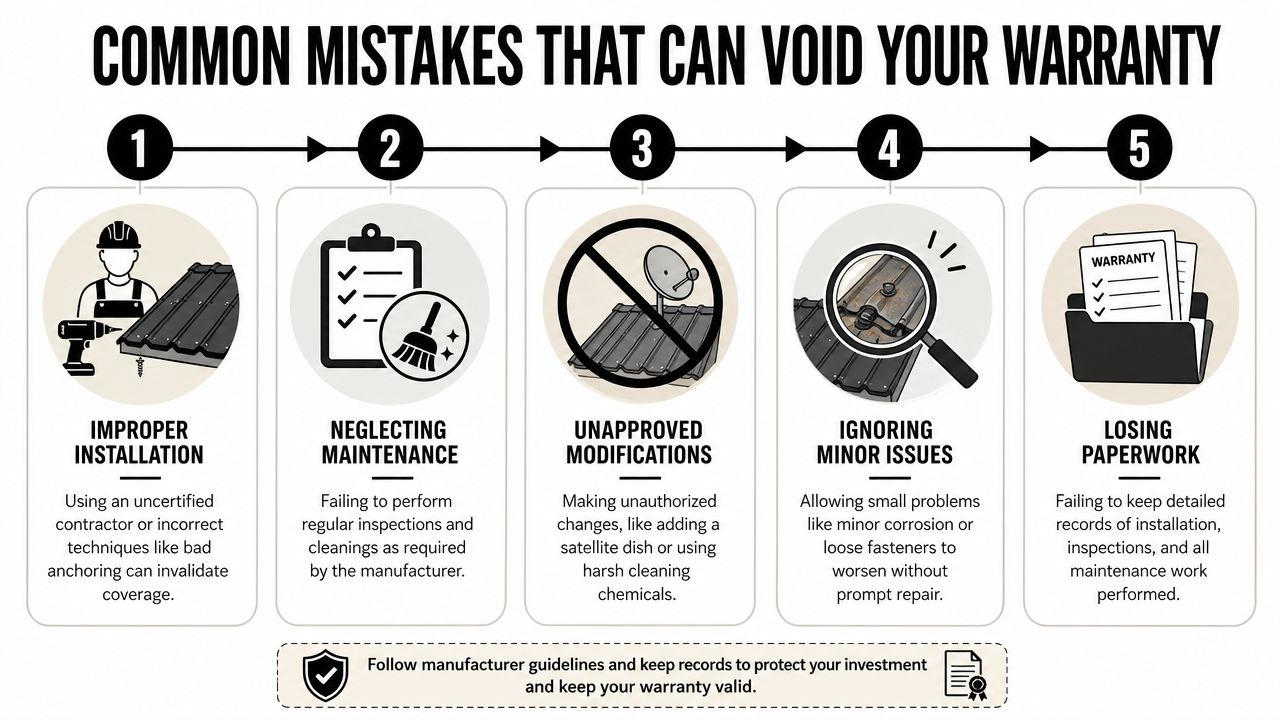
The bottom line is that protecting your investment is an ongoing job. It starts the day of installation and continues for the life of the roof through smart maintenance and good record-keeping. The good news? Every one of these mistakes is preventable. To make sure your project starts on the right foot, take a look at our metal roofing installation guide.
Your warranty is a valuable asset, but its protection is conditional. Acting as a responsible steward of your roofing system by avoiding these common errors is the best way to ensure your coverage remains intact for its entire term.
From Pittsburgh to Erie, the homeowners who get the most out of their metal roofs are the ones who stay proactive. By steering clear of these common pitfalls, you can ensure your roof provides the decades of protection you paid for.
Finding a problem with your metal roof is a sinking feeling, but knowing what to do next can turn that stress into a clear plan. Following the right steps is crucial—it's the difference between a smooth resolution and a frustrating, drawn-out process.
The most important thing? Act fast. Most warranties have strict timelines for reporting issues, so hesitation can be costly.
As soon as you suspect a problem, you need to get the ball rolling.
Your First Steps in the Claim Process
When you spot something wrong, your very first call should be to the contractor who installed the roof. They are your best starting point, regardless of the issue.
If it's an installation flaw, it falls under their workmanship warranty, and a reputable contractor will want to make it right. If it looks like a material defect—say, the paint is failing way too early—your installer is still your advocate. They know how to navigate the manufacturer's claim process and can help you get started.
Before you even pick up the phone, get your paperwork in order. You'll need:
- The original contract and proof of payment for the installation.
- Your copies of both the workmanship warranty (from the contractor) and the metal roof warranty (from the manufacturer).
- Any records you have of roof maintenance or inspections.
Documenting and Submitting Your Claim
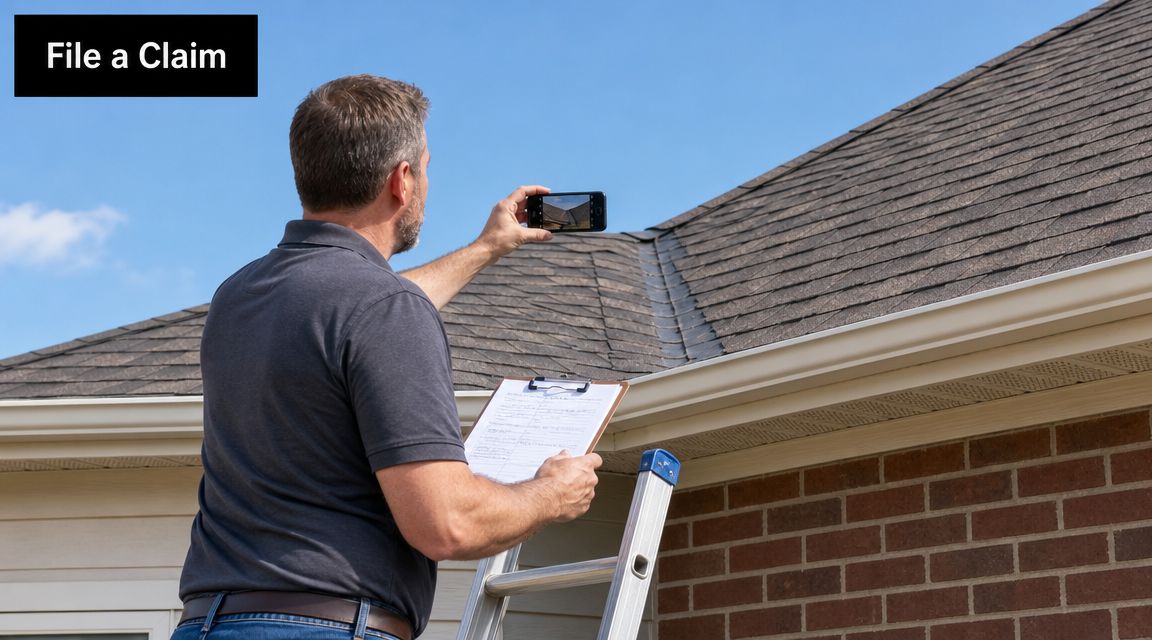
Now it's time to build your case. When it comes to warranty claims, you can never have too much documentation. Grab your phone and take clear, detailed photos and videos of the problem area. Get shots from far away to show the location and close-ups to show the specific issue.
Once you have your evidence, follow this process to submit your claim:
- Write It Down: Draft a clear, concise summary of the problem. Be sure to include when you first noticed it, any changes you've observed, and its exact location on your roof.
- Submit Officially: Follow the specific claim procedure detailed in your warranty document. This might be an online form on the manufacturer’s website or a formal letter sent via certified mail.
- Prepare for Inspection: After you file, the manufacturer will typically schedule an inspection with a third-party professional. Make sure they will have safe and clear access to your roof.
It’s crucial to remember that modern warranties are technical contracts. A key trend is the growing emphasis on claim rules, and timing is not optional. Some paint warranties, for example, require claims to be filed within 30 days of discovering a problem. This makes prompt and proper reporting absolutely critical for homeowners in Pittsburgh, Erie, and beyond. Discover more insights about modern warranty claim rules.
Why Your Contractor Holds the Keys to Your Warranty
Let's be honest—the best manufacturer warranty in the world isn't worth much if the roof is installed incorrectly. When it comes to your metal roof, the single most important decision isn't the panel color or finish. It's choosing the right contractor to put it all together.
Your protection actually comes in two separate parts. First, the manufacturer provides a material warranty, which covers defects in their product. But the second—and equally crucial—part is the workmanship warranty. This is the contractor's promise to you that their installation work is sound.
A workmanship warranty covers the quality of the installation itself. If a leak or failure happens because of an error made during the roofing process, this is the guarantee that protects you.
The Installer's Critical Role in Upholding Your Warranty
Think of your contractor as the gatekeeper for your manufacturer's warranty. Metal roofing manufacturers have incredibly specific instructions for installation, and even a small shortcut or mistake can give them a reason to void their coverage entirely. That's why hiring a qualified, experienced installer is absolutely non-negotiable for homeowners from Sharon to Pittsburgh.
A true professional does far more than just fasten panels to your roof. They ensure every single step of the job meets the manufacturer's strict standards.
- Manufacturer Certification: A certified installer has been specifically trained and approved by the manufacturer. It's proof they know the product inside and out and is often a requirement for accessing the best warranty tiers.
- Proper Licensing and Insurance: A fully licensed, bonded, and insured team protects you from any liability. It’s the clearest sign you're dealing with a legitimate business that stands behind its work.
- Expert Guidance: A reputable contractor in Pennsylvania will walk you through the complex warranty documents, clearly explaining what’s covered, what isn’t, and what you need to do for maintenance.
Hiring an uncertified or inexperienced roofer is a massive gamble. If a problem pops up later and the manufacturer traces it back to improper installation, they will deny your material warranty claim. You'll be left with a faulty roof and no one to hold accountable. For Pennsylvanians, the smartest way to ensure your metal roof warranty stays intact is to partner with a local expert with a proven track record.
To get a better feel for the guarantees a professional should offer, it helps to understand what goes into a comprehensive roofing contractor warranty. This knowledge is your best tool for making sure your investment is protected from day one.
Metal Roof Warranty Questions Answered
Even with a good grasp of the basics, the fine print in a metal roof warranty can feel like a maze. We get it. Let's tackle some of the most common questions we hear from homeowners and businesses around Pennsylvania, breaking them down with clear, straightforward answers.
Does My Metal Roof Warranty Cover Leaks?
This is the number one question, and the answer comes down to one critical detail: why is the roof leaking? Your manufacturer's warranty is there to protect you if the product itself fails—say, a panel rusts through prematurely and causes a leak. That’s a material defect.
However, if the leak is from a mistake during installation, like poorly set flashing or a fastener that wasn't sealed correctly, that falls outside the manufacturer's responsibility. This is exactly where your roofer's workmanship warranty comes in. It’s your safety net for any installation-related issues. The two warranties work together, but they cover very different things.
Will Adding Solar Panels Void My Warranty?
This is a huge concern, but installing solar doesn't have to be a warranty-killer. The key is to avoid piercing the panels at all costs. Most warranties are instantly voided the second an unapproved hole is drilled through the roof.
The right way to do it, especially on a standing seam metal roof, is with a non-penetrating clamping system. These clever clamps grip onto the raised seams of the roof, providing a secure base for solar panels without creating a single hole. Before you start any solar project on your Pittsburgh roof, it's absolutely crucial to confirm that your installer is using a mounting system that is approved by your roof's manufacturer.
What Happens if I Repaint My Metal Roof?
Grabbing a bucket of paint and heading up to the roof without checking your paperwork will almost certainly void your finish warranty. That warranty is specifically tied to the high-performance, factory-applied coating, and changing it lets the manufacturer off the hook.
That said, one of the best things about a quality metal roof is that it can be repainted decades later to extend its life even further. The trick is to do it by the book. You must follow the manufacturer's exact guidelines for surface preparation and use an approved paint system. Always check your warranty documents first and talk to a pro before you think about repainting.
A properly insured contractor is a non-negotiable part of protecting your warranty; you can learn more about why in this helpful Coverage Axis' roofer insurance guide. Making sure your roofer has the right coverage is just another way to safeguard your investment.
Navigating the complexities of a metal roof warranty is easier with an expert partner. At Penn Ohio Roofing & Siding Group, we not only ensure your roof is installed to the highest standards but also help you understand and maintain your warranty for decades of peace of mind. For a free, no-obligation estimate on your roofing project in Sharon, Erie, Pittsburgh, and beyond, contact us today.