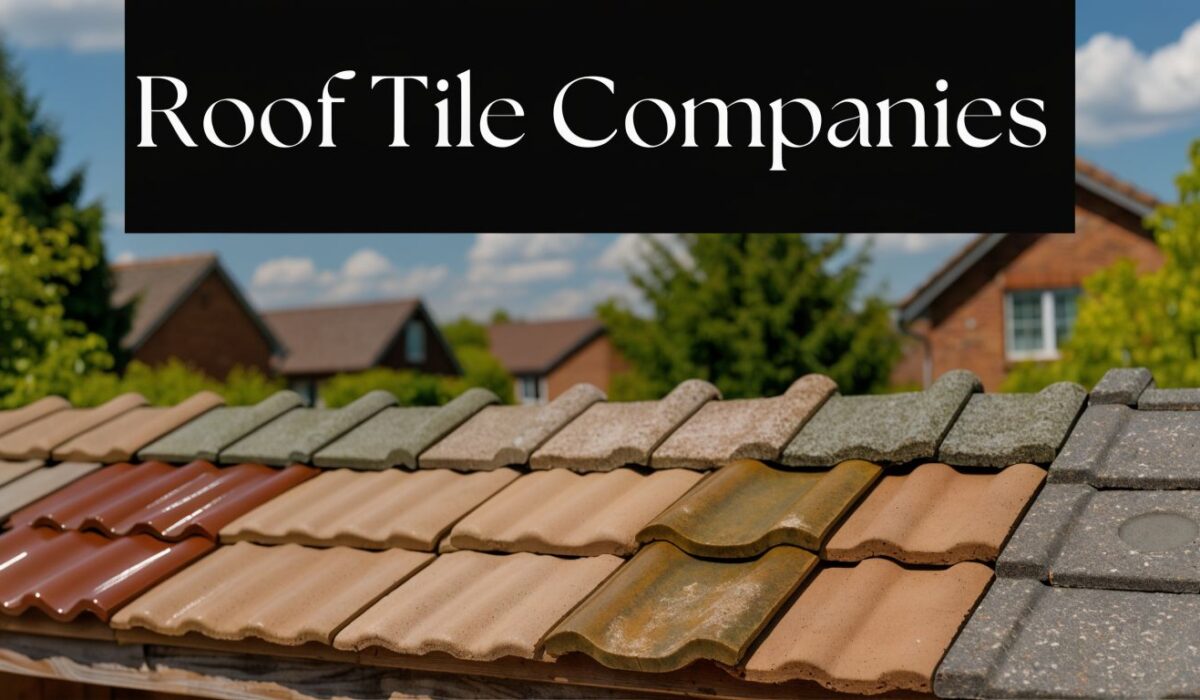
If you're looking at an aging roof in Hermitage, Mercer County, Beaver, Lawrence, or across the Pennsylvania and Ohio line, you're probably stuck between two thoughts. First, you want something that looks better and lasts longer than basic asphalt. Second, you don't want to spend premium money and then find out the installer treated your tile roof like a regular shingle job.
That concern is valid. Tile roofing is a different category of project. The material, structure, flashing details, crew experience, and quote review all matter more. And demand isn't slowing down. In the U.S., new residential demand for roofing tiles is projected to rise 2.6% annually, reaching 5.3 million squares by 2028 according to Fortune Business Insights on roofing tile market demand.
A tile roof can be a smart long-term move in western Pennsylvania and eastern Ohio. But only if you hire the right roof tile company, ask the right questions, and manage the project with your eyes open.
Table of Contents
- Choosing a Tile Roof in Pennsylvania and Ohio
- Decoding Your Roof Tile Options
- Budgeting Your Tile Roof Project Realistically
- How to Vet and Choose a Tile Roofing Contractor
- The Tile Roof Installation Process From Start to Finish
- Protecting Your Investment and Spotting Red Flags
- The Penn Ohio Promise for Your Tile Roof Project
Choosing a Tile Roof in Pennsylvania and Ohio
A lot of homeowners start the same way. They notice repeated repairs on an older roof, they get tired of patching leaks after snow and wind, and they decide that if they're going to spend money, they want to spend it once and spend it right.
That's usually when tile enters the conversation.
In our region, that choice isn't just about style. A home in Hermitage, New Castle, Beaver Falls, or Youngstown has to deal with freeze-thaw cycles, wet spring weather, snow load, gutter backup, and wind-driven rain. A pretty roof that isn't installed for local conditions will disappoint you fast.
Local reality: In Pennsylvania and Ohio, the roofing material matters, but the company matters more. A weak install will ruin a strong product.
Homeowners often call roof tile companies because they want three things at once:
- Long service life: They want a roof that isn't a short-cycle replacement.
- Better curb appeal: Tile changes the whole look of the house.
- Stronger weather confidence: They want a roof system that feels more substantial during rough weather.
That thinking makes sense. The market is moving toward premium, durable roofing choices, not away from them. But don't let that trend push you into a rushed decision. Tile is a major investment in the house itself, not a cosmetic add-on.
A smart tile project starts with a simple question. Does your home, your budget, and your local weather exposure line up with the tile system you're considering? If the answer is yes, the next step is to understand the material choices before you ever compare contractors.
Decoding Your Roof Tile Options
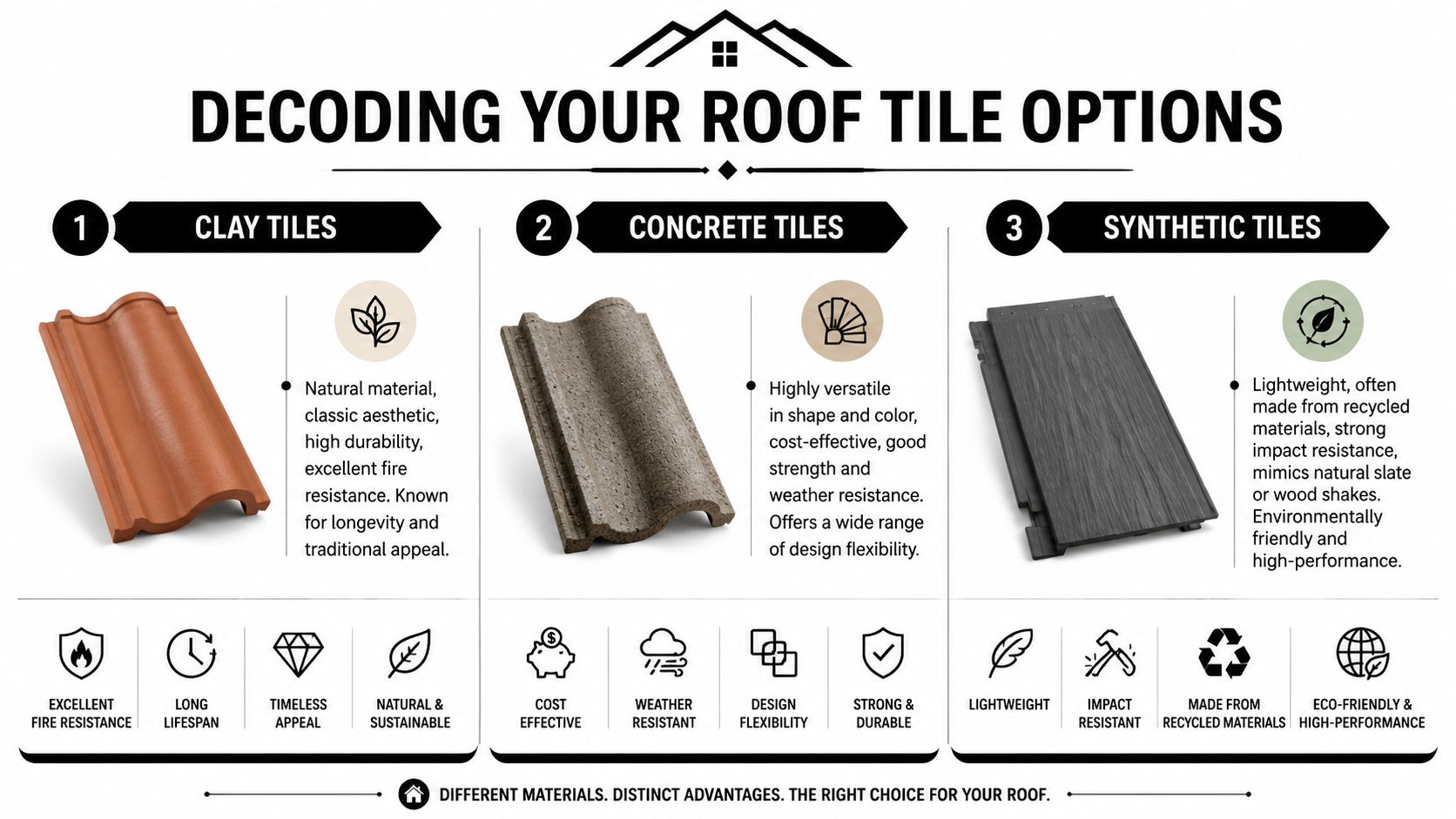
There are three practical categories most homeowners should compare. Clay, concrete, and synthetic. Each one can work. Each one can also be the wrong choice if the house or installer isn't a fit.
Right below is a visual overview you can use before contractor meetings.
Clay tile
Clay tile is the classic option. It has the architectural look people picture first, especially on homes with Mediterranean, Spanish, old-world, or high-end traditional styling.
Clay is a good fit when appearance matters as much as lifespan. It also appeals to homeowners who want a material with a long track record and strong fire resistance. The tradeoff is simple. Clay usually demands a higher upfront budget and a crew that knows tile details cold.
For Pennsylvania and Ohio homes, clay can work very well. But I only recommend it when the contractor has clear clay-tile experience, especially around valleys, wall intersections, eaves, and snow-shedding details.
Concrete tile
Concrete tile is often the most practical middle ground. It offers broad style flexibility, solid weather performance, and a more forgiving design range than many homeowners expect.
The big issue is weight. Concrete roof tile systems have an installed weight averaging 950 lbs per square, and that requires truss verification because the dead load can be 8 to 10 times heavier than asphalt shingles, according to ARCAT's concrete roof tile specification summary. If you're putting concrete tile on an older home in Mercer County or nearby communities, structural review isn't optional.
Don't accept "it should be fine" from a roofer on a heavy roof system. On tile, structure gets checked first.
Concrete is often a strong match for homeowners who want the look and substance of tile without chasing the highest-end material tier. It can also work well on homes where profile and color matching are part of the design goal.
Synthetic tile
Synthetic tile is the option I bring up for homeowners who love the look of tile but don't want the same structural demands. It's lighter, easier to handle, and often a practical answer for retrofits where heavy material could trigger added framing work.
This category also makes sense when the house needs a tile appearance but the owner wants installation flexibility. Synthetic products vary a lot, though. That means product selection matters. Don't buy the category. Buy the specific system and the installer's experience with it.
Roof Tile Comparison Clay vs. Concrete vs. Synthetic
| Attribute | Clay Tile | Concrete Tile | Synthetic Tile |
|---|---|---|---|
| Look | Traditional, high-end, timeless | Broad design range, can suit many home styles | Designed to mimic tile looks with more flexibility |
| Weight | Heavy | Very heavy and may need structural review | Lighter than traditional tile options |
| Structural concern in older PA/OH homes | Important | Highest concern | Usually easier to accommodate |
| Upfront budget | Typically premium | Mid-to-premium depending on profile | Varies by product and system |
| Installation difficulty | High, detail-sensitive | High, especially on structure and layout | Easier than traditional tile in many retrofits |
| Best fit | Architectural authenticity and long-term investment | Homeowners wanting strength and design flexibility | Homes needing a tile look with less structural burden |
| Main caution | Requires skilled tile-specific installer | Weight management and framing verification | Quality varies by manufacturer and installer familiarity |
If you want my blunt advice, start by eliminating what doesn't fit the house. If your framing condition is questionable, don't fall in love with concrete before you know what the structure can carry. If you're chasing old-world aesthetics on a high-visibility home, clay may justify the added effort. If you want the look without the weight fight, synthetic deserves a serious look.
Budgeting Your Tile Roof Project Realistically
Most bad roofing decisions start with the wrong math. Homeowners compare top-line prices, then miss the hidden parts of the job that decide whether the roof performs or becomes a long, expensive headache.
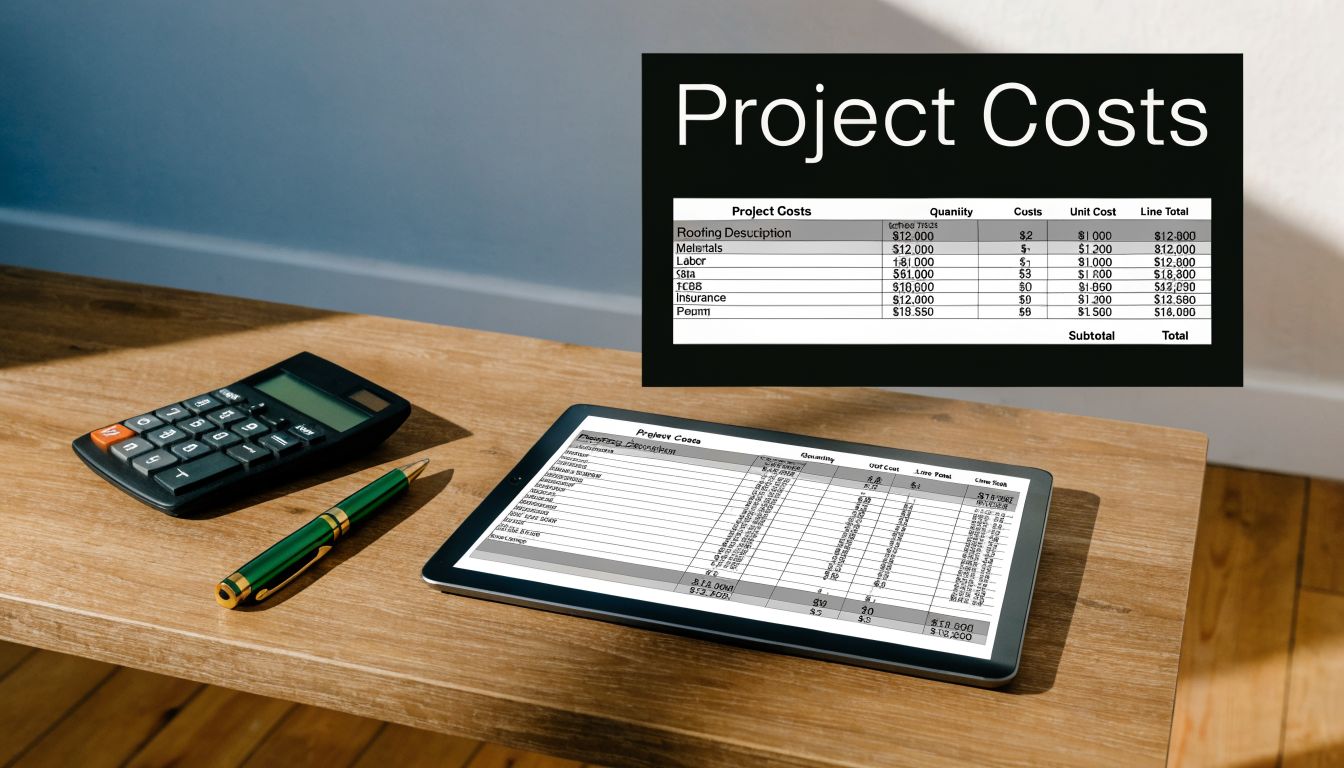
A tile roof estimate should never be judged on tile alone. You're buying tear-off, deck inspection, underlayment, flashing, ventilation planning, accessory components, labor skill, site protection, cleanup, and sometimes structural work. That's why two quotes that sound similar on the phone can be completely different jobs on paper.
What drives the real project cost
Here are the big cost drivers homeowners in Pennsylvania and Ohio need to expect:
- Roof shape and cut-up complexity: Valleys, dormers, steep sections, and multiple transitions increase labor and waste.
- Deck condition: If old sheathing is compromised, that gets addressed before a premium roof goes on.
- Underlayment and waterproofing details: Better systems cost more up front and save trouble later.
- Structural reinforcement: Some homes need framing review or upgrades before heavy tile goes on.
- Access and staging: Tight driveways, landscaping protection, and material handling all affect labor.
- Tile profile and accessory pieces: Ridges, hips, edge details, and matching components add real cost.
If you want to pressure-test a quote, ask the contractor to show how they built it. Tools like Exayard roofing estimating software can help homeowners understand how professional estimates are assembled and why measurement accuracy matters on complex roofs.
A local pricing reference also helps. If you want a region-specific baseline, review this guide to tile roof installation cost in Pennsylvania and Ohio.
Think in total ownership not just install price
Most online roofing advice fails homeowners in this specific area. There is a real content gap around tile roof lifecycle economics. According to Roofing Insights on roofing industry trends and the ROI gap in tile roofing content, homeowners often don't get accessible guidance on long-term ROI, resale impact, or break-even thinking when comparing tile to asphalt.
That's exactly how you should evaluate tile.
My advice: Don't ask, "What's the cheapest roof I can buy?" Ask, "What roof will cost me the least aggravation over the time I own this house?"
A realistic tile budget should include three buckets:
Immediate project scope
Material, labor, protection, disposal, and any structural work.Expected ownership demands
Inspections, routine maintenance, gutter care, and occasional replacement of damaged pieces.Risk reduction value
Better durability, stronger weather confidence, and less chance that you'll be starting over too soon with another full replacement cycle.
If a contractor gives you a tile quote with no discussion of underlayment, flashing, structure, or accessory details, that number isn't honest enough to trust.
How to Vet and Choose a Tile Roofing Contractor
A salesman leaves you with a low bid, a tile brochure, and a promise that his crew can "handle anything." Two months later, you find out they have installed plenty of asphalt roofs and very few tile systems. In Pennsylvania and Ohio, that mistake gets expensive fast. Snow load, freeze-thaw cycles, ice at the eaves, and the weight of the roof system all punish sloppy work.
Tile is less forgiving than shingles. Hire a contractor who treats it like a specialty trade, not an upgrade package.
Questions that separate tile specialists from general roofers
Ask hard questions and listen for specific answers.
- How many tile roofs have you installed in western Pennsylvania or eastern Ohio? Ask for nearby examples in Mercer, Beaver, Lawrence, Columbiana, or Mahoning County. Regional weather and code expectations matter.
- Which tile systems do you install regularly? Clay, concrete, and synthetic tile all require different fastening methods, accessory pieces, and repair practices.
- How do you confirm the house can carry the roof system if there is a weight concern? A serious contractor explains when an engineer, framer, or structural review is needed.
- What underlayment and ice protection do you use for homes in this region? You want an answer tied to snow, wind-driven rain, and winter performance.
- How do you flash valleys, chimneys, sidewalls, skylights, and low-slope transitions? Weak flashing details cause many tile roof failures.
- Who installs the roof? Ask whether the crew is in-house or subcontracted, and who supervises the job daily.
- Can I speak with recent tile-roof customers? References should be recent, local, and for projects similar to yours.
Use a written comparison sheet while you interview companies. This guide on how to choose a roofing contractor gives homeowners a solid framework for checking documents, scope, and communication.
If a contractor gets annoyed because you asked about fastening patterns, flashing details, or winter weather prep, cross them off your list.
What a solid proposal should include
A proper tile proposal is detailed because the job is detailed. If the estimate is one page with a price and a material name, it is not enough.
Look for these items in writing:
- Exact material identification: Manufacturer, tile type, profile, color, ridge and hip components, vents, and other accessories.
- Water control details: Underlayment, ice protection, flashing locations, valley treatment, edge metal, and penetration details.
- Decking and repair terms: How damaged wood is priced, who approves change orders, and what happens if structural concerns show up after tear-off.
- Crew and jobsite plan: Who manages the site, how materials are staged, how landscaping and driveways are protected, and how cleanup is handled.
- Schedule and payment terms: Deposit, progress payments, final payment, and what milestones trigger each one.
- Warranty language: Manufacturer coverage, contractor workmanship coverage, and what actions could void either one.
You should also ask how the company handles worker protection on a steep or high tile roof. Homeowners do not need to manage crew safety, but you should hire a contractor who takes it seriously. A useful reference is choosing the right roofing safety gear.
Penn Ohio Roofing & Siding Group is one local company homeowners can evaluate, along with any other contractor willing to provide tile-specific references, licensing details, proof of insurance, and a written scope.
Here is my rule. If one contractor talks clearly about structure, fastening, flashing, underlayment, snow exposure, and repair protocols, and the others keep returning to price, the first contractor is usually the safer hire. On a tile roof, safe usually means cheaper in the long run.
The Tile Roof Installation Process From Start to Finish
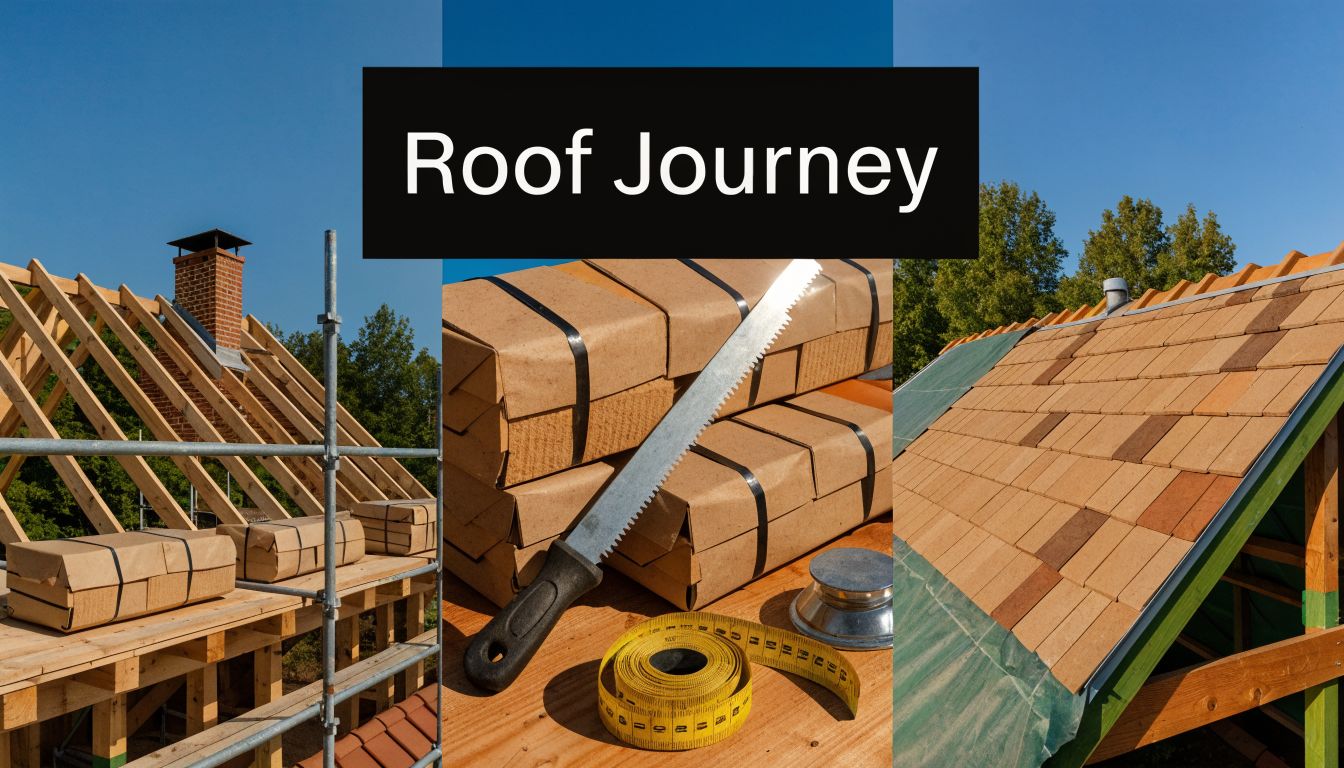
Homeowners get nervous when materials start showing up and the roof gets opened up. That's normal. A good contractor reduces that stress by running a clean site and following a clear sequence.
The work should feel organized. Not chaotic.
What should happen before tile goes on the roof
The early phase matters more than many homeowners realize.
Delivery and staging
Materials should be placed thoughtfully so the crew doesn't damage driveways, landscaping, or access points.Protection setup
Tarps, catch areas, dumpster placement, and magnetic cleanup planning should be obvious before tear-off begins.Tear-off and deck review
The old roof comes off. Then the crew checks decking and substrate condition before any premium material covers it.Underlayment and waterproofing
This is the true weather barrier under the tile. If you want a basic explainer before your project starts, read this overview of roof underlayment and why it matters.
If you're curious what a safety-conscious crew should be using while they work, this guide on choosing the right roofing safety gear is worth a look.
Where quality shows up during installation
Tile installation quality shows up in the details most homeowners never see from the street.
For clay tile, proper flashing is critical. Standard specifications call for metal flashing extending a minimum of 3 inches up vertical surfaces and 3 inches over the tile course, creating a capillary break that reduces leak risk by over 50% compared to insufficient overlaps, according to Ludowici's clay roof tile specification guidance.
That matters at:
- Wall intersections
- Valleys
- Eaves
- Chimney transitions
- Other water concentration points
Watch how the contractor talks about flashing. Skilled tile installers describe these details clearly because they know that's where roof failures often start.
After waterproofing and flashings are right, the crew lays tile in sequence, aligns courses, installs hips and ridges, and finishes accessories. Then comes cleanup, punch-list review, and a final walkthrough.
A professionally managed tile job shouldn't leave you guessing what happened each day. You should know the phase, the next step, and whether any hidden conditions changed the scope.
Protecting Your Investment and Spotting Red Flags
A tile roof isn't a "set it and forget it" system. It's low drama when installed well, but it still needs attention. Good homeowners protect premium roofs by staying observant without trying to play roofer from a ladder.
The safest maintenance habits are simple and boring. That's exactly why they work.
Simple maintenance that actually matters
From the ground or from safe access points, keep an eye on the basics:
- Keep gutters moving: Overflow and backup can create avoidable edge and fascia problems.
- Look for slipped or cracked tiles: One damaged piece isn't the end of the world, but ignored damage can invite water intrusion.
- Watch penetrations and transitions: Chimneys, skylights, and wall lines deserve a visual check after hard weather.
- Schedule professional inspections after major storms: Especially if you see debris impact or unusual runoff patterns.
Don't walk a tile roof unless you're trained and equipped for it. Homeowners crack more tile trying to inspect it themselves than they realize.
Red flags you should take seriously
Some warning signs show up before the contract. Others appear during the work.
Here are the ones I'd treat as serious:
- The quote is vague: If the proposal barely mentions underlayment, flashing, accessories, or deck repair handling, the contractor is leaving themselves room to cut corners.
- They dismiss structural questions: On heavy roof systems, brushing off support concerns is reckless.
- They pressure you for a fast signature: Good contractors don't need panic tactics.
- They want a large upfront payment without clear milestones: That shifts risk to you before work proves anything.
- They can't show tile-specific work: General roofing experience isn't the same as tile roofing experience.
- The crew leaves a sloppy site: Messy staging and poor protection usually signal weak project management.
If a contractor acts like tile is "basically the same as shingles," end the conversation.
This part matters because failure on a tile roof often starts behind the scenes. Poor support decisions, bad detailing, or weak waterproofing may not show up immediately. By the time they do, the repair is larger and more expensive than it needed to be.
Stay involved. Read the proposal. Ask follow-up questions. Walk the property with the project lead before and after installation. Homeowners who pay attention usually get better outcomes.
The Penn Ohio Promise for Your Tile Roof Project
If you've read this far, you already know what separates dependable roof tile companies from the rest. It isn't branding. It isn't a slick sales pitch. It's local experience, tile-specific skill, honest estimating, clean documentation, and disciplined installation.
For homeowners in Hermitage and the surrounding counties, the right roofing partner should understand western Pennsylvania and eastern Ohio weather, know when structure needs a closer look, explain waterproofing without hand-waving, and give you a proposal that makes sense on paper. They should also be licensed, bonded, insured, and able to show real work in the communities they serve.
Penn Ohio Roofing & Siding Group fits that practical standard as a family-owned company with over 25 years of experience serving Hermitage, Mercer, Beaver, and Lawrence counties, with licensed, bonded, and insured crews handling residential and commercial roofing projects. That's the kind of background homeowners should look for when comparing tile roofing contractors.
The right tile roof project should leave you with confidence, not questions. You should know what material you picked, why it fits your home, how the roof will be installed, and who is accountable if something needs attention later. That's what a smart, safe investment looks like.
If you're planning a tile roof and want a straight answer about fit, structure, scope, and pricing, talk with Penn Ohio Roofing & Siding Group. A good first conversation should cover your home, your goals, your local weather exposure, and whether tile is the right move before anyone talks numbers.