
After a heavy snow in Hermitage, the first sign of roof trouble often isn’t outside. It’s a brown ceiling stain, a drip near a window, or a gutter that suddenly looks twisted and heavy. By the time you notice that indoors, meltwater has usually already found a path through the roof system.
Snow damage roof repair Hermitage PA isn’t just about patching a leak. In this area, snow load, ice, and repeated freezing nights create a chain reaction. The smart move is to look for the right warning signs early, protect the inside of the house, document everything for insurance, and bring in a qualified roofer before a small repair turns into a structural one.
How to Identify Snow Damage on Your Hermitage Roof
You wake up after a lake-effect snow, look outside, and the roof seems fine. A few hours later, the sun hits one slope, the attic warms slightly, and a stain shows up near an outside wall. That sequence is common in Hermitage. Snow problems often reveal themselves during the melt, not during the storm itself.
Start from the ground and work inward. Homeowners can catch a lot without stepping onto the roof, and that matters because the first photos and notes often end up supporting an insurance claim.
Exterior signs you can spot safely
Check the roof edges first. In our area, eaves, valleys, gutters, and lower roof sections usually show trouble before the rest of the system does.
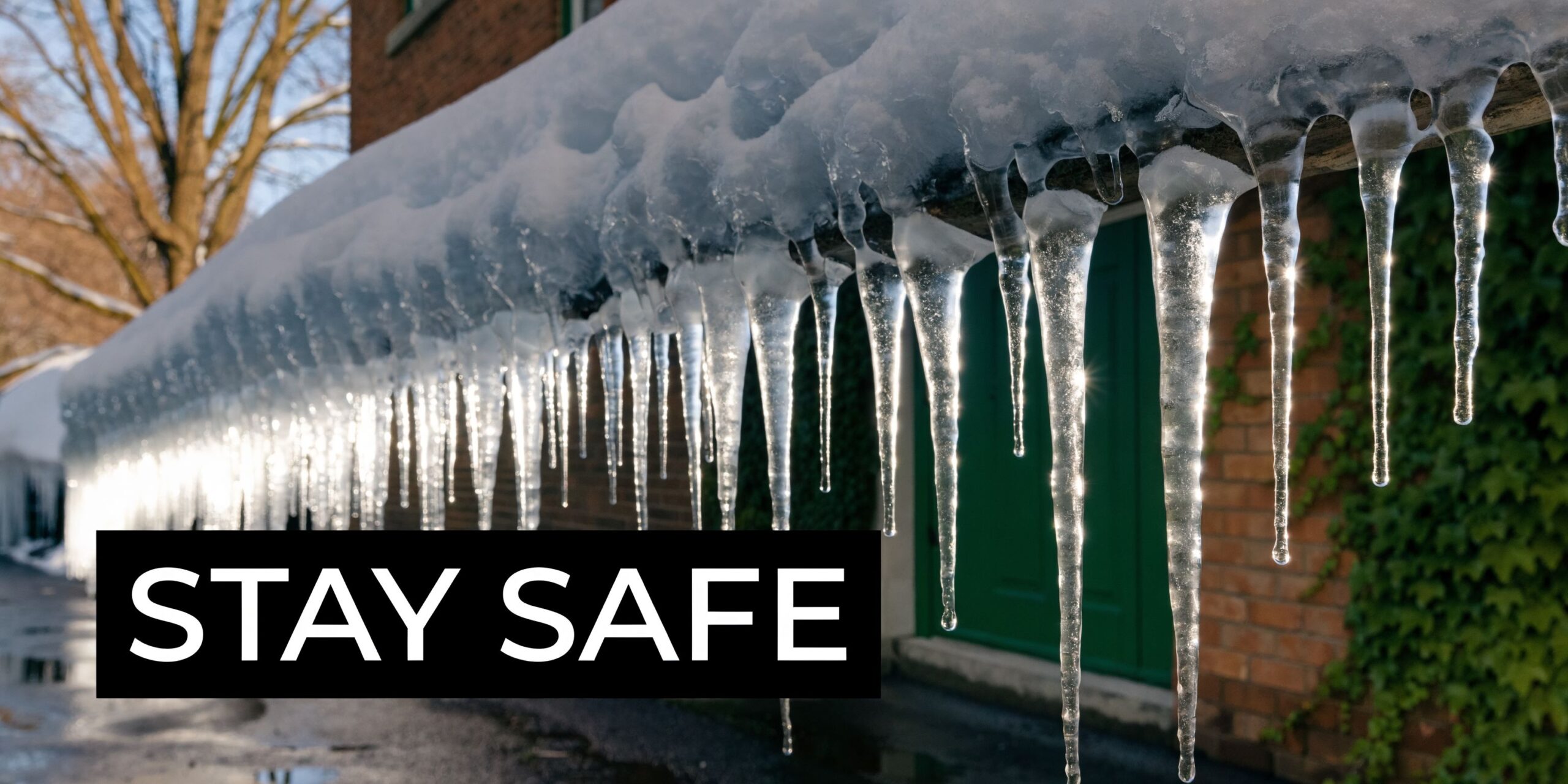
- Ice dam buildup at the edge: A thick band of ice along the eaves can trap meltwater and force it back under shingles.
- Long icicles concentrated in one area: A few small icicles are common. Heavy clusters along the same section often point to heat escaping from the attic and refreezing at the edge.
- Gutters that sag, twist, or pull loose: Snow and ice add a lot of weight. If fasteners are failing, document it right away because insurers may want to see that damage before temporary repairs are made.
- Shingles that look lifted, wrinkled, or out of line: Freeze-thaw cycling can break the seal strip or shift shingle tabs enough to open a water path.
- Uneven melt patterns: If one roof area clears much faster than the rest, warm air may be reaching the underside of the deck there.
One caution from the field. Icicles do not always mean the roof is leaking, but they rarely form without a heat-loss or drainage issue worth checking.
Interior clues homeowners miss
The inside of the house usually gives the clearest evidence.
Take a flashlight into the attic, top-floor rooms, and garage. Look for these signs:
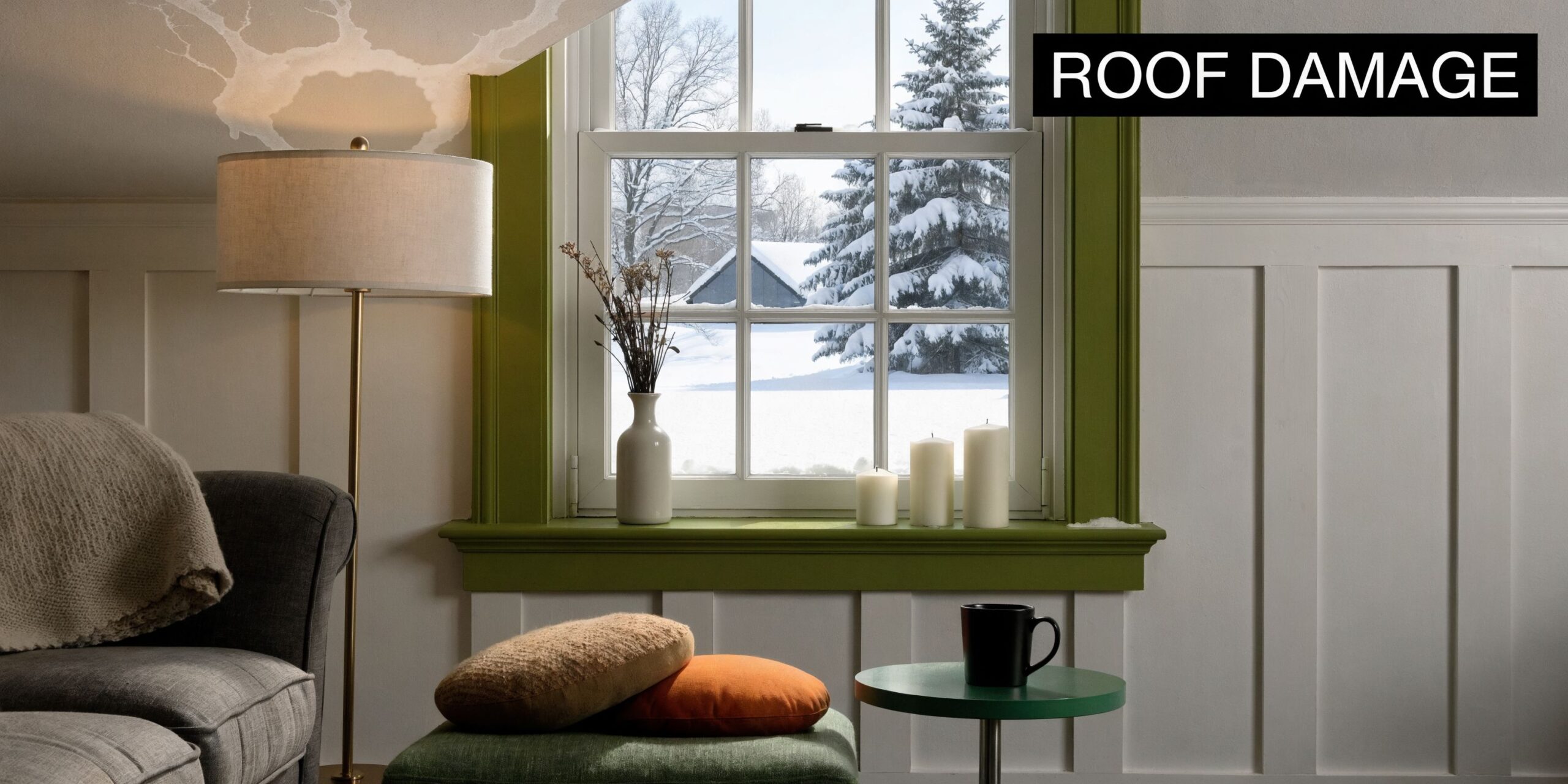
- Ceiling stains near exterior walls or around window headers
- Peeling paint, bubbling drywall, or trim joints opening up
- Frost or dampness on the underside of roof sheathing
- Dark water trails on rafters, collar ties, or masonry
- Wet insulation or insulation that looks compressed and matted
Frozen water expands as it turns to ice. The U.S. Geological Survey notes that water expands by about 9 percent when it freezes, which helps explain why a small gap around flashing or shingle joints can widen after repeated cold nights and daytime melts (https://www.usgs.gov/special-topics/water-science-school/science/ice-snow-and-glaciers-and-water-cycle).
That is also why a minor stain deserves attention. What looks cosmetic from the hallway can trace back to wet decking, separated flashing, or soaked insulation above.
Practical rule: If you see interior water, assume the problem started earlier and extends beyond the visible stain.
For a broader visual reference, this guide to signs of roof damage can help you compare what you are seeing before you call a contractor or your insurance carrier.
What counts as a red flag
Some winter conditions can wait a day or two for an inspection. Others should be treated as urgent because they affect safety, claim documentation, or both.
| Condition | Likely urgency |
|---|---|
| Small isolated icicles, no interior moisture | Monitor and document |
| Ice at the eaves with attic frost or damp sheathing | Schedule an inspection soon |
| Active drip, expanding ceiling stain, or wet insulation | Urgent |
| Gutter separation, bowed roofline, or visible sagging | Emergency |
In Hermitage, I tell homeowners to pay close attention after the second or third freeze-thaw swing, not just after the biggest snowfall. That is when hidden weaknesses usually show themselves.
If the ridge line looks uneven, a ceiling starts to bow, doors suddenly stick near exterior walls, or you hear popping or creaking after a heavy accumulation, stop there and call for a professional assessment. Those are structural warning signs, and they can affect both repair scope and how the insurance side is documented.
Immediate Safety Steps and Temporary Leak Solutions
You hear a drip at 2 a.m., then see a brown ring spreading across the ceiling by breakfast. In Hermitage, that usually means snowmelt has already worked past shingles or flashing and is now following framing inside the house. The job in the first hour is simple. Keep people safe, limit interior damage, and avoid any move that creates a bigger repair bill or complicates an insurance claim.
Stay off the roof. Snow cover hides soft spots, ice, and skylight edges. I have seen homeowners turn a manageable leak into an emergency by climbing up with a shovel or trying to break loose an ice dam with hand tools.
First actions inside the house
Start indoors, where you can reduce damage without adding risk.
- Catch active water: Use buckets, totes, and towels right away.
- Move what can be damaged: Pull furniture, electronics, rugs, and storage boxes out of the leak path.
- Protect floors: Plastic sheeting, a shower curtain liner, or contractor bags can buy time under a drip area.
- Deal with ceiling bulges carefully: If water is trapped above drywall and the ceiling is sagging, controlled drainage into a bucket can prevent a wider collapse. Only do it if you have a clear area below and can manage the runoff.
- Cut power in the affected area if water is near fixtures or outlets: If you are not sure which breaker controls it, call an electrician or fire department non-emergency line for guidance.
Interior drips rarely mark the actual entry point. Water often travels before it shows up.
Before you throw out wet insulation, stained boxes, or damaged trim, take clear photos and short videos. That record helps with the roof insurance claim process for storm and winter roof damage, especially if the visible leak slows down before an adjuster or roofer sees it.
What you can safely do from the ground
If snow is piled up along the lower roof edge, use a roof rake from the ground only. Pull snow down in light passes near the eaves, and stop well short of trying to clear the whole roof. Leaving a thin layer behind is smarter than scraping down to the shingles, because aggressive contact can tear tabs, strip granules, or catch flashing.
A roof rake helps most when the problem is fresh buildup feeding an ice dam. It does not fix damaged flashing, soaked decking, or water that has already moved into the attic.
For a formed ice dam, a calcium chloride melt sock is one of the few temporary methods that can help without beating up the roof surface:
- Fill pantyhose or a similar fabric tube with calcium chloride.
- Place it so it crosses the ice dam and points over the gutter edge.
- Let it melt a narrow channel for drainage.
Do not use rock salt. Do not chip ice with a hammer, axe, or metal shovel. Those methods often add shingle and gutter damage to a claim that started as water intrusion.
Temporary measures that help, and ones that cost you later
| Method | Use it? | Why |
|---|---|---|
| Roof rake from the ground | Yes | Reduces buildup near the eaves with lower risk |
| Leave a thin snow layer behind | Yes | Helps avoid shingle damage from scraping |
| Calcium chloride sock | Yes | Can open a drainage path through an ice dam |
| Climbing onto an icy roof | No | Fall risk and hidden roof hazards |
| Chiseling or chopping ice | No | Breaks shingles, flashing, and gutters |
| Rock salt on the roof | No | Can damage roofing materials and metal components |
Many homeowners assume their policy will automatically treat snow-related water entry the same way they would read a broad insurance definition, but home policies are more specific about cause, timing, and maintenance conditions. In Hermitage, where freeze-thaw cycles can turn a small eave problem into attic and ceiling damage fast, good photos and restrained temporary steps usually put you in a better position than an aggressive cleanup.
Successfully Navigating Your Snow Damage Insurance Claim
A lot of homeowners handle the roof problem first and think about insurance later. With snow damage, that can cost you. Timing and documentation matter.
There’s a critical window between when snow damage happens and when the claim is filed, and these claims in Pennsylvania often need specific documentation that a professional roof assessment can support (Thumbtack listing context). If you wait too long, photos disappear, snow melts, interior moisture spreads, and the original cause gets harder to show.
Document first, clean up second
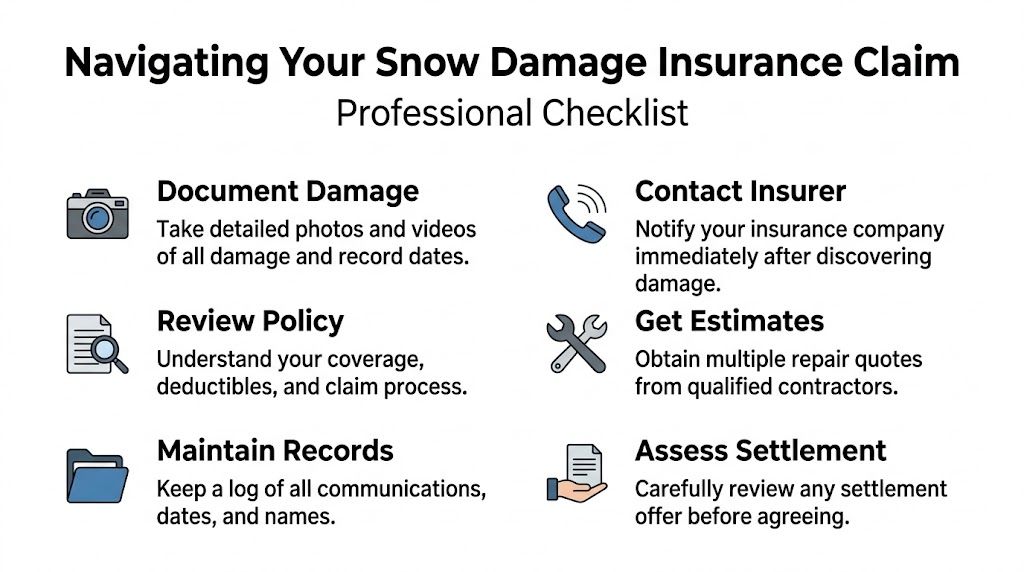
Before you throw away wet ceiling tiles, stained insulation, or damaged trim, record everything.
Use your phone and create a simple evidence folder with:
- Wide photos of each room affected
- Close-ups of stains, drips, peeling paint, and damaged belongings
- Exterior shots from the ground showing ice dams, icicles, sagging gutters, or visible displacement
- Short videos that capture active dripping or water movement
- A written timeline with the storm date, when you noticed the damage, and what changed afterward
Write down every call, email, claim number, and adjuster name. That log sounds minor until there’s a disagreement over timing or scope.
Know what your policy is talking about
If you want a plain-English refresher on what broader property coverage can mean, this explanation of a general insurance definition helps clarify the language around coverage concepts before you speak with the carrier.
Then review your own policy. Look for exclusions, deductible details, and whether interior damage is tied to the cause of the roof failure.
The claim process that keeps things organized
A clean process usually works better than a rushed one.
- Call the insurer promptly. Open the claim as soon as the damage is discovered.
- Prevent further damage. Use temporary protective measures and keep receipts.
- Schedule a roofing assessment. The roof condition, likely point of entry, and visible snow or ice-related damage need to be documented while evidence is still fresh.
- Meet the adjuster prepared. Have your photos, notes, and contractor findings available.
- Review the scope carefully. Make sure interior and exterior damage are both accounted for.
For homeowners who want a clearer view of the paperwork and inspection side, this overview of the roof insurance claim process is worth reviewing before the adjuster visit.
Keep damaged materials when practical until the insurer says otherwise. A stained section of drywall or a water-damaged vent boot can help show what happened.
The main thing is this. Don’t rely on memory. Good snow damage claims are built on dated photos, quick reporting, and a roof inspection that connects the interior leak to the exterior cause.
Hiring a Qualified Roof Repair Contractor in Hermitage PA
A lot of Hermitage homeowners hit the same point after a heavy snow. The bucket is catching the leak, the tarp is holding for now, and the next call feels risky. Hire the wrong roofer, and you can end up with a weak repair, a harder insurance claim, or both.
Winter roof work needs a contractor who can do two jobs at once. They need to fix the roof correctly, and they need to document the damage in a way that supports your claim. In this area, that matters because snow damage often starts small, then shows up later as stained ceilings, wet insulation, damaged decking, or repeat leaks along the same eaves and valleys.
Questions to Ask Before Hiring
Start with the contractor’s process, not just the price.
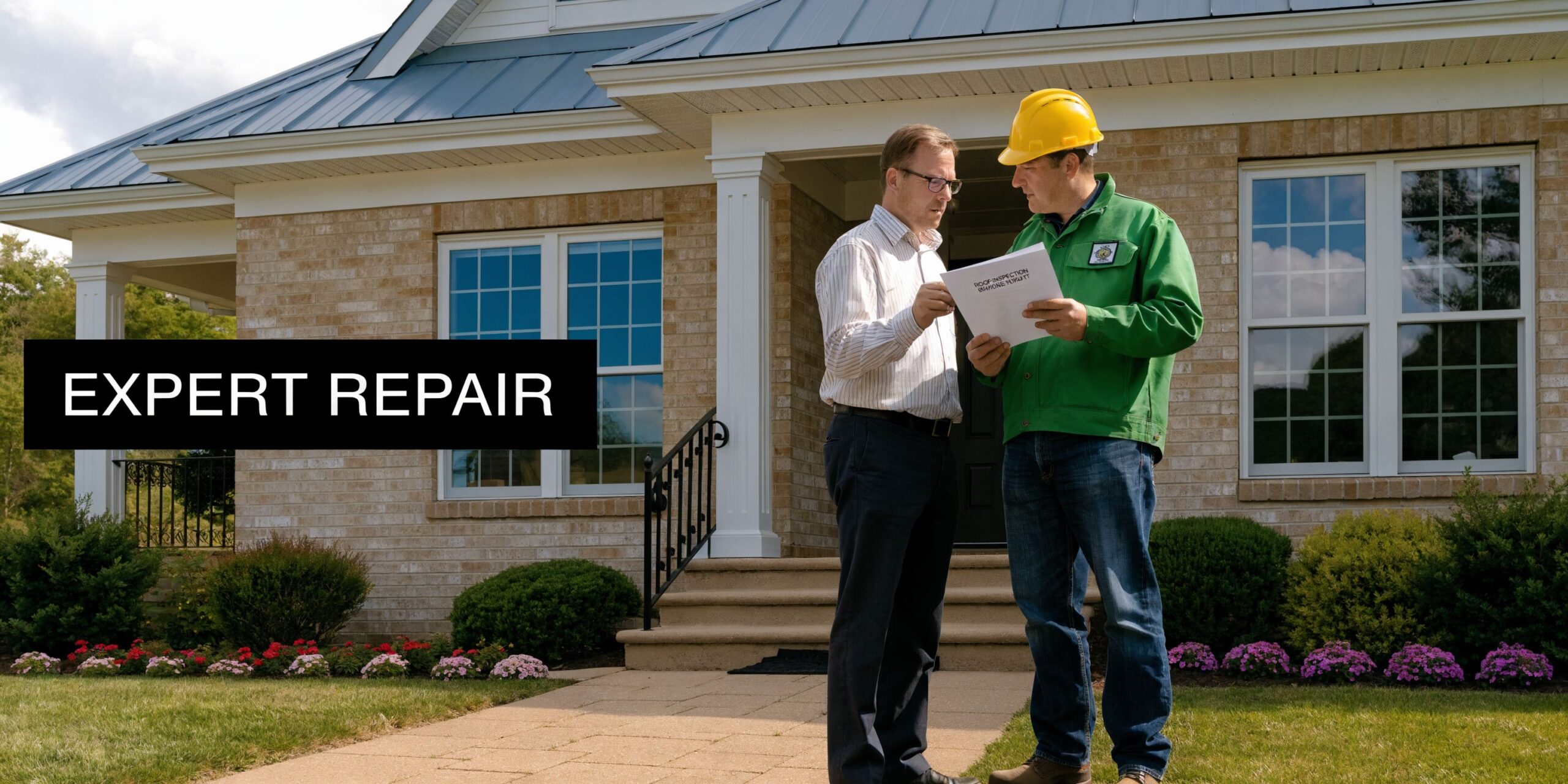
Ask how they inspect a snow-damaged roof in winter conditions. A qualified roofer should explain how they check shingles, flashing, roof penetrations, attic conditions, ventilation, and signs that water backed up under the roofing material. They should also be clear about what can be confirmed right away and what may need a follow-up inspection once snow and ice are off the roof.
These questions usually separate experienced contractors from storm chasers:
- Are you insured for roof repair work and can you provide proof?
- How do you document damage for the insurance carrier and adjuster?
- What temporary protection do you install if full repair has to wait for weather?
- Have you repaired this roof type in winter before?
- Will your written scope separate emergency work from permanent repair?
That last point helps with claims. Homeowners in Hermitage often need clear paperwork showing what was done to prevent further damage, what still needs repair, and what conditions were caused by snow or ice.
Commercial property owners should go one step further. Ask whether the crew has winter repair experience with TPO, EPDM, PVC, or modified bitumen. Low-slope systems fail differently than asphalt shingle roofs, and the repair approach is different too.
Warning Signs That Should End the Call
Stress makes bad sales pitches sound reasonable. Slow the conversation down.
Be cautious if a contractor offers a price before seeing the roof, pushes for a same-day signature, or talks only about patching the visible leak. Snow damage repair is rarely that simple. Water can travel far from the entry point, and winter leaks often involve flashing failure, ice backup, or wet decking that will not show up in a quick glance from the ground.
Use this filter:
| Red flag | Why it matters |
|---|---|
| Quote given without an inspection | The scope is guesswork, which usually means change orders or missed damage |
| Very low pricing compared with other local bids | It can signal incomplete work, lack of insurance, or no plan for follow-up repairs |
| Pressure to start before paperwork is clear | That can create problems with claim records and approved scope |
| Plan to chip ice off with tools or throw salt on the roof | Those methods can damage shingles, flashing, gutters, and surrounding surfaces |
| Vague answers about photos, notes, or repair documentation | Weak records make claim disputes harder to resolve |
One more local point. Contractors who know Hermitage and the surrounding area tend to recognize the repeat problem spots faster. North-facing eaves, valley transitions, older flashing details, and poorly ventilated attic sections show up again and again after heavy snow.
What a Good Contractor Should Explain Clearly
A solid contractor should be able to tell you what failed, why it failed, and whether the repair will hold through the rest of winter.
That conversation should cover more than the leak stain on the ceiling. It should include drainage patterns, ice buildup risk, flashing condition, attic heat loss, ventilation, and whether materials below the shingles stayed wet long enough to need replacement. If the explanation stays vague, the work usually will too.
It also helps to compare contractors with a real checklist instead of going bid by bid from memory. This guide on how to choose a roofing contractor gives homeowners a practical way to review credentials, scope, and communication before signing anything.
Penn Ohio Roofing & Siding Group is one local option that handles roof repairs, inspections, emergency response, and insurance-related documentation in Hermitage and the surrounding counties, with over 25 years of experience stated in the company background. That local experience matters. Winter roof failures here often return to the same weak areas if the first repair only treats the surface problem.
Hire the contractor who inspects carefully, writes a clear scope, and can support the insurance side of the job without turning it into a sales pitch. That usually saves money, time, and frustration.
Understanding Snow Damage Repair Costs and Timelines
You wake up after a lake-effect snow, see a water stain spreading on the ceiling, and need two answers fast. What will the repair involve, and how long will your house stay exposed?
In Hermitage, snow repairs swing more on scope than on square footage alone. A small leak around flashing may be a targeted repair. A roof that held snow too long, formed ice at the eaves, and let water soak the decking turns into a larger job with tear-off, drying time, and material replacement. That difference matters for your budget, but it also matters for your insurance claim. The insurer will want documentation that separates sudden storm-related damage from older wear.
What drives the final repair bill
The price usually changes because the roof system fails in layers, not in one neat spot.
Contractors price snow damage by looking at:
- how much of the roof can be safely accessed
- whether shingles, flashing, gutters, or soffit were pulled loose by ice
- how far water traveled below the surface
- whether roof decking is still solid or has to be replaced
- whether attic insulation got wet and lost performance
- how difficult it will be to match existing materials
- whether the first visit is temporary protection only, followed by a return trip for permanent repair
A stain on drywall does not tell you the full scope. Water often enters high, runs along framing, and shows up somewhere else. That is why a careful inspection can produce a higher but more accurate estimate than a quick look from the driveway.
Cost categories are easier to judge than one broad number
A practical estimate usually falls into one of three buckets.
| Repair situation | What usually adds cost |
|---|---|
| Localized repair | Limited shingle or flashing replacement, minor water entry, easy access |
| Moderate snow and ice damage | Multiple affected areas, wet underlayment or decking, gutter or fascia repair, second trip for permanent work |
| Major structural correction | Deck replacement, framing concerns, widespread moisture intrusion, larger tear-off area |
For homeowners using insurance, the out-of-pocket number can look very different from the contract price. Deductible, depreciation, and what the adjuster approves all affect what you pay. That is why the contractor's photo set, moisture findings, and written scope should be ready before repair decisions start changing.
Timelines depend on weather, documentation, and repair depth
Emergency protection often happens quickly. Full repair may not.
A winter snow-damage job in Hermitage usually moves through these stages:
- Emergency visit: Stop active leaking with tarping, sealant, or interior water control.
- Inspection and documentation: Photos, measurements, moisture checks, and notes for the claim file.
- Insurance review, if applicable: Adjuster meeting, scope comparison, and approval of covered work.
- Weather window and materials: Safe roof access, snow removal if needed, and product availability.
- Permanent repair: Removal of damaged sections, substrate repair, replacement, and final cleanup.
A straightforward repair can move fast once the roof is dry and accessible. A claim that involves decking damage, insulation replacement, or disputed scope takes longer. In practice, the insurance step is often what separates a one-visit repair from a multi-stage project.
Good timing also depends on good drainage after the work is done. If overflow and refreezing were part of the problem, it helps to review effective gutter cleaning strategies before the next storm cycle hits.
The safest approach is to treat winter work in phases. Stop interior damage first. Document everything. Then complete the permanent repair when the roof can be opened, repaired, and closed up correctly.
A Roof Maintenance Checklist for Pennsylvania Winters
A lot of Hermitage roof calls start the same way. Heavy snow sits for a few days, the temperature climbs just enough to melt the top layer, then the overnight freeze locks that water back in at the eaves. The leak that shows up in January usually started with a maintenance issue from fall.
Preventive work matters most when it helps you avoid two problems at once. First, it lowers the chance of mid-winter water damage. Second, it gives you cleaner documentation if you ever need to file an insurance claim after a storm. A roof that has been maintained, checked, and photographed is easier to explain to an adjuster than one with old, ignored problem spots.
Fall checklist before the first hard freeze
Most winter failures trace back to drainage, attic heat loss, or small flashing defects that were already present before the first snow.
Use this pre-winter checklist:
- Clear gutters and downspouts: Water needs a clear path off the roof. If you want a practical refresher on effective gutter cleaning strategies, review that before leaves freeze in place.
- Check the attic for insulation gaps: Uneven attic temperatures help create the melt and refreeze pattern that leads to ice at the roof edge.
- Confirm intake and exhaust ventilation are working together: Good airflow helps keep the roof surface colder and more consistent.
- Inspect flashing at chimneys, vents, skylights, and wall lines: These areas often leak first under snow load and ice buildup.
- Trim branches over the roofline: Less debris in the gutters means better drainage during winter thaws.
- Take date-stamped photos of the roof and attic: That record can help if storm damage turns into an insurance question later.
Mid-winter habits that actually help
You do not need to climb onto the roof after every snowfall. In fact, that is one of the fastest ways homeowners get hurt.
What helps is steady observation from the ground and inside the attic:
| Winter task | Why it helps |
|---|---|
| Watch the eaves after a storm | Early ice buildup is easier to address than a full ice dam |
| Check the attic for damp insulation, frost, or staining | Small leaks often show there before they stain ceilings |
| Use a roof rake from the ground when buildup gets heavy at the edge | It reduces stress in the most vulnerable area without putting you on the roof |
| Look for gutters that are sagging or packed with ice | Overflow at the edge can back water under shingles |
If you see the same section icing over every storm, treat that as a pattern, not a one-time event.
Long-term fixes that stop repeat winter damage
A roof that ices in the same spot every year usually has a correctable cause. Removing snow helps in the moment, but it does not solve warm attic air leaking upward, missing insulation, poor ventilation, or weak edge protection.
The long-term fix may involve:
- Air sealing in the attic so indoor heat is not escaping into the roof system.
- Better insulation coverage so the roof deck stays more even in temperature.
- Balanced ventilation so outside air can do its job.
- Updated underlayment and ice barrier protection when repairs are made.
- Restored gutter performance so meltwater drains off instead of backing up at the eaves.
That is the part many homeowners in Hermitage miss. Winter roof maintenance is not just seasonal cleanup. It is also preparation for the insurance side of the job if a storm does cause damage. Keep inspection notes, save photos, and do not throw away receipts for maintenance or emergency service. If a claim comes up, that paperwork helps show what was pre-existing, what changed after the storm, and what needs to be repaired now.
If you’re dealing with a leak, ice dam, gutter pull-away, or visible roof damage after a storm, Penn Ohio Roofing & Siding Group can inspect the roof, document the damage, and help you understand the next repair step. For homeowners in Hermitage and the surrounding area, getting an assessment early is the safest way to limit interior damage and make smarter repair decisions.