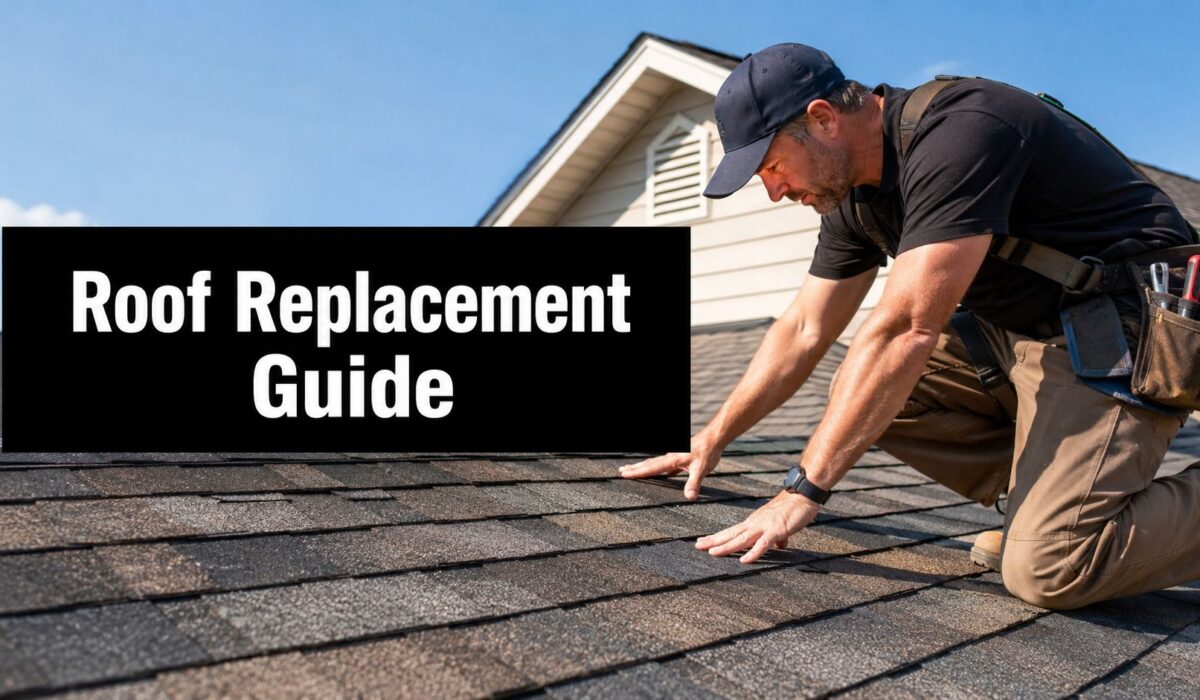
A typical roof replacement in Hermitage, PA can range from $12,656 to $17,867, and this guide breaks down every factor that goes into that cost so you can budget with confidence. If your roof is larger, steeper, or needs more involved work, the total can climb higher, which is exactly why you need local numbers and a clear process before you sign anything.
Most homeowners start looking into a new roof after something small turns annoying. A stain shows up on the bedroom ceiling. You find shingle grit in the gutters. A section of the roof looks tired from the driveway, and suddenly you're wondering whether you're dealing with a repair or a full replacement.
In Hermitage, that decision gets harder because a lot of online advice is too broad to be useful. Roofing in western Pennsylvania isn't the same as roofing in a dry climate. Snow, freeze-thaw swings, heavy rain, and older housing stock around Hermitage, Sharon, Pittsburgh, and Erie all change how a roof wears out and how a replacement should be done. The details matter.
Table of Contents
- Key Signs Your Hermitage Roof Needs Replacing
- The Roof Replacement Process from Estimate to Cleanup
- Comparing Roofing Materials for Pennsylvania Weather
- Decoding the Cost of a Roof Replacement in Hermitage
- Navigating Local Permits and Insurance Claims
- How to Choose a Trusted Local Roofing Contractor
- Financing Your New Roof and Understanding Warranties
- Frequently Asked Questions About Roof Replacement
Key Signs Your Hermitage Roof Needs Replacing
A lot of people in Hermitage don't notice roof failure all at once. It starts with one missing shingle after a storm, then a little grit in the downspouts, then an upstairs room that smells damp after a hard rain. By the time you start searching for roof replacement in Hermitage PA, your roof has usually been warning you for a while.
The first job is simple. Stop guessing and look for system-wide wear, not one isolated defect. One bad pipe boot can be repaired. A roof that's failing across multiple areas usually can't.
What you can spot from the ground
Start in your driveway or yard. You don't need to climb anything to get a useful first read.
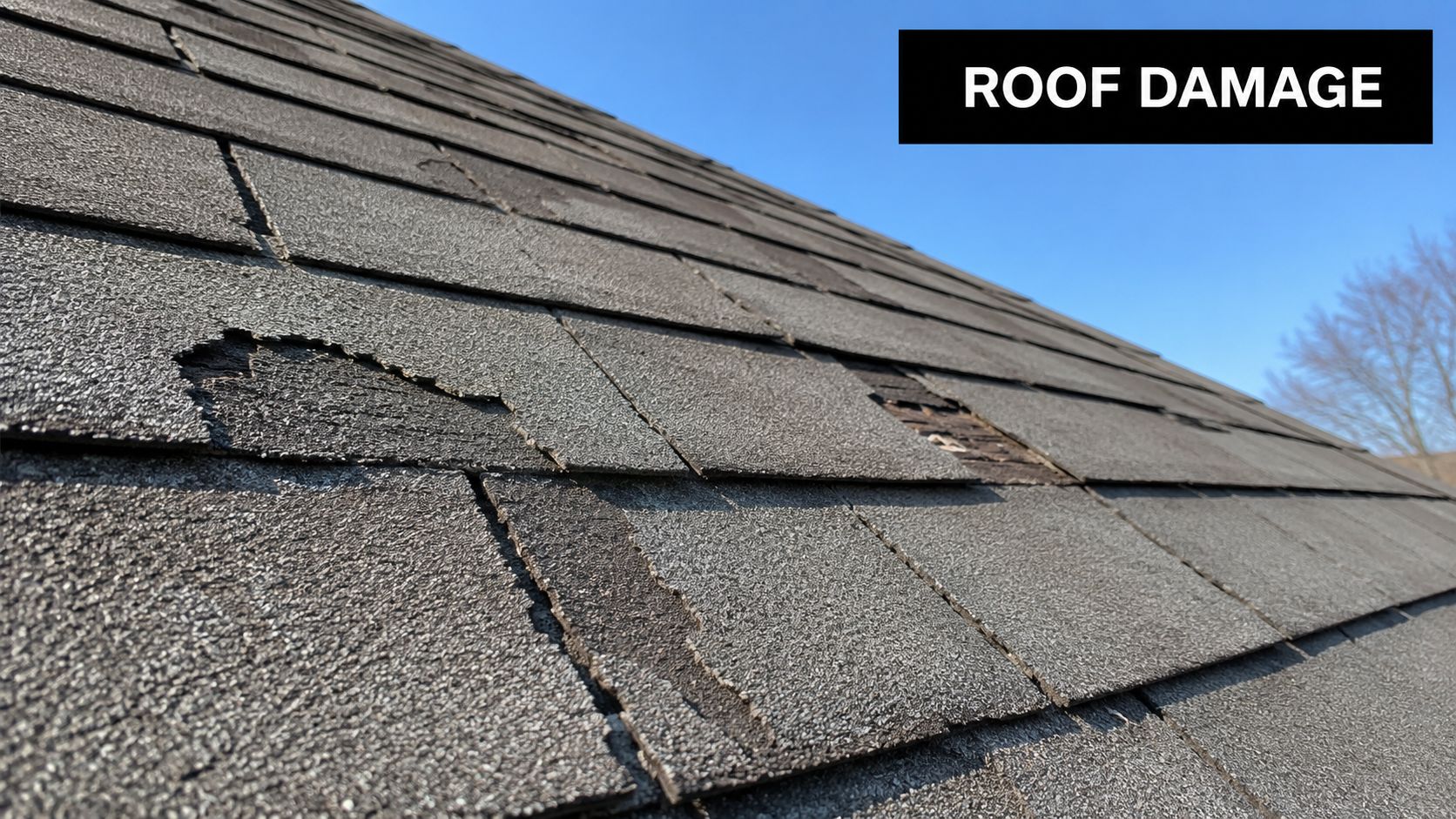
- Curling or cracked shingles: That usually means the roof has dried out and lost flexibility. Western PA weather speeds that up.
- Missing tabs or blown-off shingles: Wind damage is obvious, but it also exposes the surrounding roof to faster failure.
- Granules in gutters: Asphalt shingles shed granules as they age. Once that wear becomes heavy, the shingles stop protecting the way they should.
- Sagging roof lines: A dip or soft-looking section can mean the decking underneath has taken on moisture.
- Patchwork repairs in several places: If different sections have already been fixed over time, the roof may be reaching the point where repair money is just buying short delays.
If you're stuck between repair and replacement, this guide on roof replacement versus repair decisions helps frame the choice in practical terms.
Practical rule: If the same roof keeps giving you different problems, stop treating each leak like a separate event. Start looking at the whole system.
What the attic and interior are telling you
The attic usually tells the truth before the living room does. Check for damp insulation, dark staining on wood, musty air, or visible daylight around roof penetrations. Those are not cosmetic issues. They point to moisture getting where it shouldn't.
Inside the house, pay attention to ceiling stains, peeling paint near exterior walls, and rooms that feel drafty or humid for no clear reason. Those signs don't always mean a dramatic leak is happening right now. They often mean the roof has been letting in moisture slowly.
Freeze-thaw cycles around Hermitage, Sharon, and Erie make all of this worse. Water gets into a weak spot, temperatures swing, and that small weakness opens wider. That's why a roof can seem fine in fall and look rough by late winter.
When to stop waiting
Don't wait for active dripping to make the call. By then, water may already be in the decking, insulation, or framing.
A professional inspection makes sense when you see any combination of these issues:
- Multiple slopes showing wear: broad shingle aging is a replacement flag
- Interior moisture signs: even small stains deserve a serious look
- Visible sagging: that needs prompt attention
- Recurring service calls: repeated repairs usually mean the roof is worn out, not unlucky
The Roof Replacement Process from Estimate to Cleanup
A roof replacement shouldn't feel chaotic. When the contractor knows what they're doing, the job follows a clear sequence and you know what's happening before the crew ever pulls into the driveway.
Most homeowners worry about three things. How long the job will disrupt the house. Whether hidden problems will explode the budget. Whether the yard will be a mess afterward. Those are fair concerns, and a proper process answers all three.
What happens before shingles come off
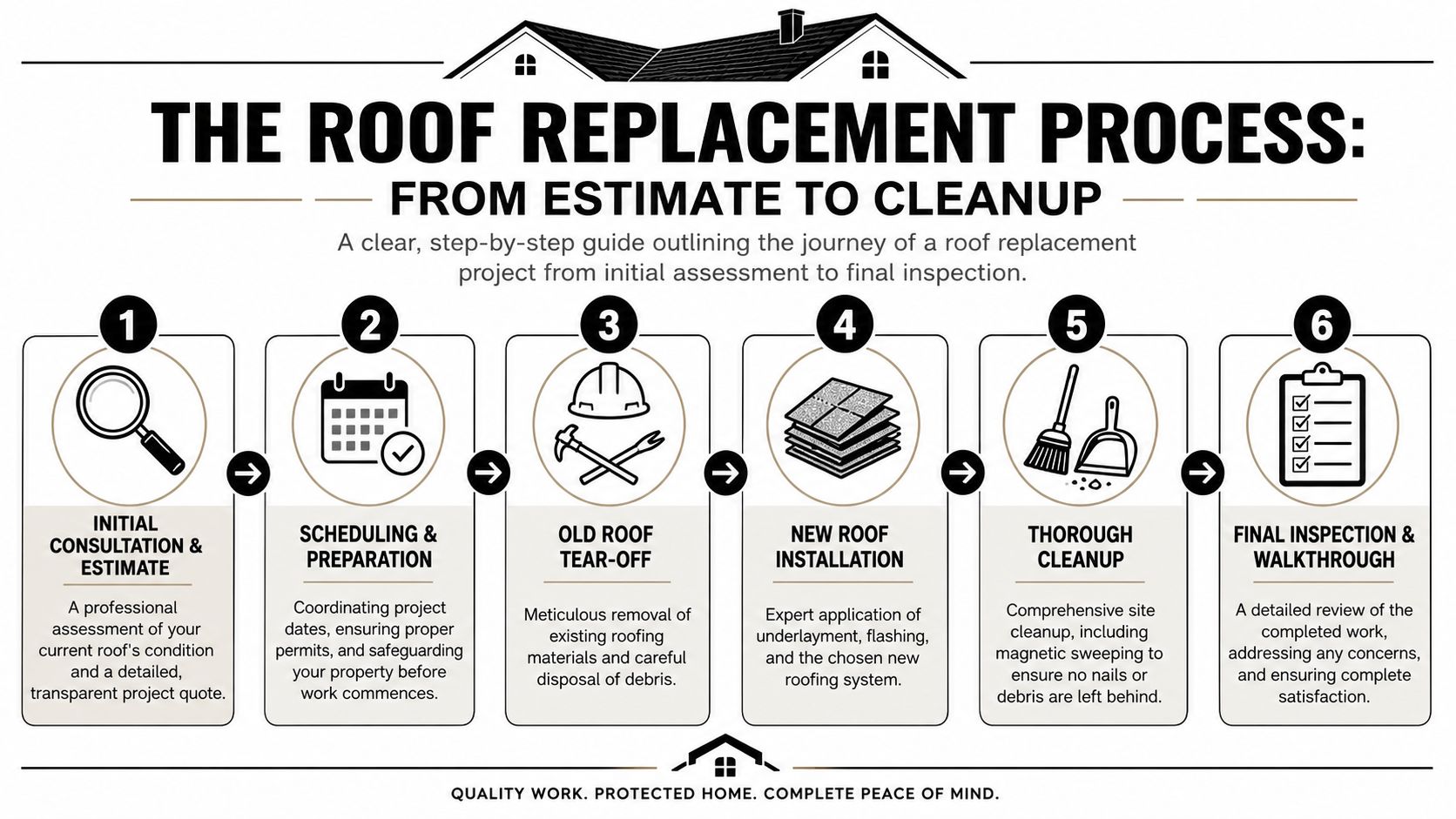
The job starts with an inspection and written estimate. That estimate should spell out the roofing system, tear-off scope, ventilation work, flashing details, cleanup, and how damaged decking will be handled if the crew finds it once the old roof is removed.
Some contractors now use tools like drone roof inspection services to document roof condition, measure harder-to-reach sections, and show homeowners what the crew is seeing. That's useful on steeper roofs and on homes where a ground view doesn't tell the full story.
Then comes scheduling, material delivery, and site prep. A careful crew protects landscaping, moves or covers vulnerable items, and plans debris control before the tear-off starts. If that part seems sloppy, don't expect the installation to be better.
What a proper installation includes
Once work begins, the old roofing gets torn off so the crew can inspect the deck underneath. In Pennsylvania, that matters because the re-roofing standard requires full removal down to the structural roof decking before replacement, rather than covering old failing layers, which can trap moisture and lead to rot, as explained in Pennsylvania re-roofing code guidance.
After the deck passes inspection or gets repaired, the roof is rebuilt in layers. In Hermitage, a complete replacement scope should include ice and water seal underlayment along eaves and valleys and replacement of deteriorated flashings, because flashing failures are the most common path for water intrusion according to roofing scope and specification guidance.
A roof isn't just shingles. The underlayment, flashing, edge details, and ventilation are what keep a new roof from becoming an expensive repeat project.
The final phase is cleanup and walkthrough. That means hauling away debris, sweeping for nails, checking the grounds, and reviewing the finished work with the homeowner. If a contractor acts like cleanup is a favor, that's a red flag.
Comparing Roofing Materials for Pennsylvania Weather
A Hermitage roof has to survive lake-effect moisture, freeze-thaw cycles, heavy snow sitting at the eaves, spring rain, and summer heat in the attic. Material choice decides how well it handles all of that. Pick the wrong system, and you spend good money on a roof that wears out early in the exact spots western Pennsylvania punishes first.
For most homes here, architectural asphalt shingles are the right starting point. They give you better thickness, better wind performance, and a longer service life than 3-tab shingles. If you're comparing products, this breakdown of new roof shingles cost by material and style is a useful baseline before you look at contractor quotes.
Architectural shingles for most homes
Architectural shingles fit the majority of steep-slope homes in Hermitage because they balance price, appearance, and durability better than bargain materials. I recommend them over 3-tab on almost every full replacement. The small upfront savings on cheaper shingles usually disappear once wind damage, curling, and shorter lifespan catch up with you.
Product specs matter here. The National Roofing Contractors Association explains that asphalt shingle performance depends on the full roof system, including underlayment, flashing, ventilation, and installation details, not just the shingle itself, in its steep-slope roof system guidance. That lines up with what we see on homes around Mercer County. Good shingles installed over weak ventilation or sloppy flashing still fail early.
If you plan to stay in the house and want solid value, architectural shingles are usually the safest choice.
Metal and low-slope options
Standing-seam metal makes sense for the right house. It sheds snow well, resists rot, and holds up for a long time when it's installed correctly. It also costs more, makes flashing details less forgiving for inexperienced crews, and isn't the right answer for every budget. I recommend it for homeowners who expect to stay put, want lower long-term maintenance, and are hiring a contractor with real metal experience, not a shingle crew trying metal for the first time.
Low-slope sections are a separate decision. Porches, additions, and shallow-pitch rear roofs should get a membrane or other system designed for that slope. The Asphalt Roofing Manufacturers Association notes that asphalt shingles are intended for steeper roof applications and that lower-slope areas need specific underlayment and installation requirements, as shown in its residential asphalt roofing manual. On many Hermitage homes, the best roof is a mixed system. Shingles on the main roof, a low-slope membrane where the pitch drops, and properly integrated flashing where those sections meet.
That is normal. It is also the right way to build it.
| Material | Average Lifespan | Cost (per sq. ft.) | Pros | Cons |
|---|---|---|---|---|
| Architectural asphalt shingles | Varies by product and installation | Qualitatively mid-range | Good value, familiar look, widely used in Pennsylvania weather | Won't match metal for long-term durability |
| 3-tab asphalt shingles | Varies by product and installation | Lower entry cost | Lowest upfront asphalt option | Less durable choice for western PA conditions |
| Standing-seam metal | Varies by product and installation | Premium | Strong weather performance, sheds snow well, long-term option | Higher upfront cost |
| Low-slope roofing system | Depends on system type | Varies by assembly | Better fit for porches, additions, and flatter sections | Not interchangeable with steep-slope materials |
Match the material to the roof pitch, drainage pattern, and time you plan to stay in the house. Budget matters, but roof geometry comes first.
Decoding the Cost of a Roof Replacement in Hermitage
A Hermitage homeowner usually calls after the same moment. A leak shows up, the stain spreads, and the first estimate lands on the kitchen table looking much higher than expected.
Here is the straight answer. Roof replacement cost in Hermitage depends less on a citywide average and more on the house sitting in front of the contractor. A simple ranch with one shingle layer is one price. A steep two-story home with valleys, chimney flashing, and bad decking is a different job entirely.
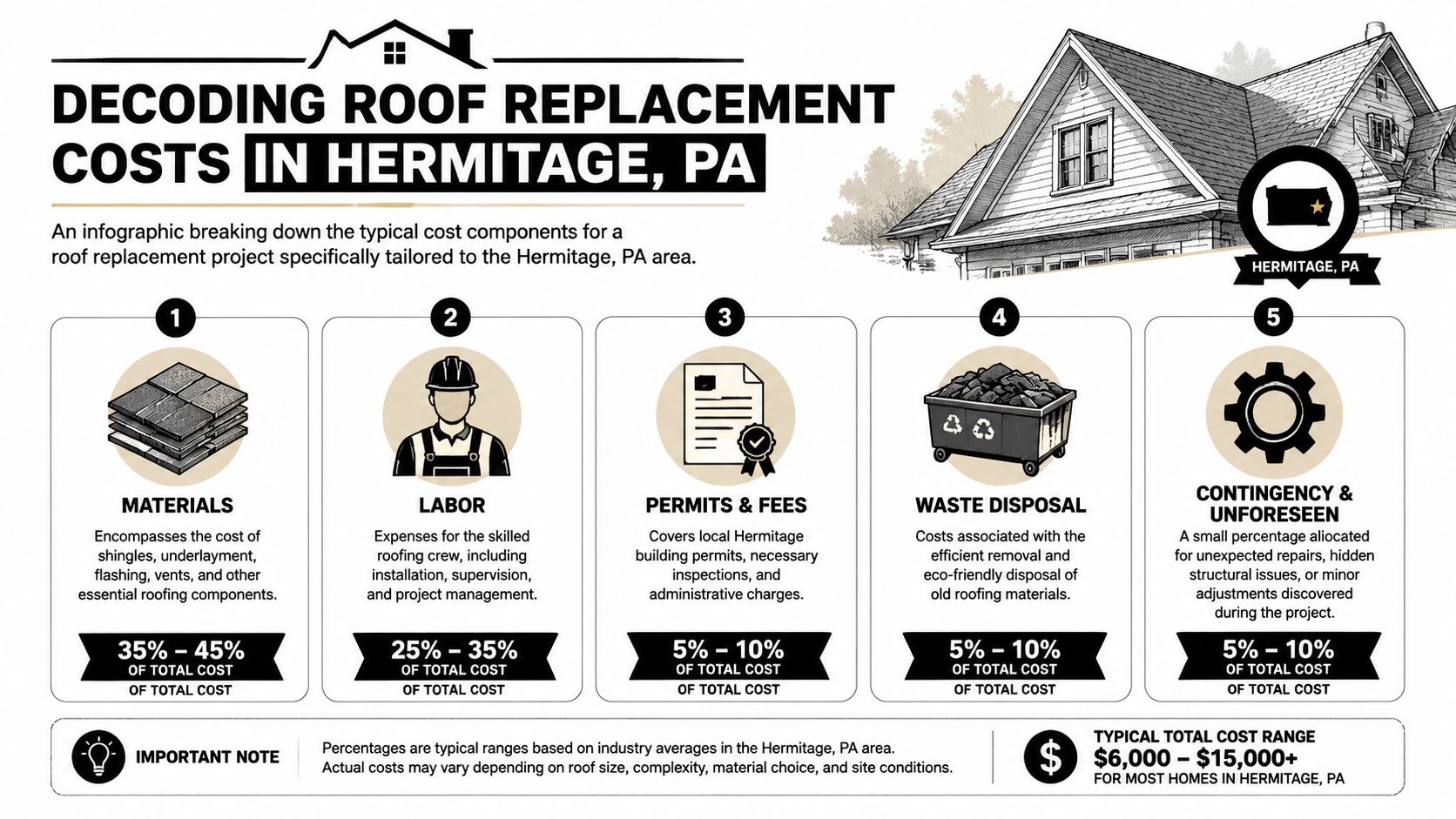
What homeowners in Hermitage usually pay
For many standard homes in this area, full replacement pricing often falls in the low five figures. Architectural shingles remain the common choice because they hold up better than budget 3-tab products without pushing the project into metal-roof pricing.
Regional cost guidance from western Pennsylvania shows complete replacements commonly landing between $8,000 and $20,000, according to western Pennsylvania replacement cost guidance. Hermitage homes often fall inside that spread, but local conditions push quotes up or down fast.
Expect the price to climb when your roof has:
- steep slopes that slow production and increase safety setup
- multiple layers that need full tear-off
- chimney, skylight, or valley flashing work
- poor access for dump trailers and material delivery
- damaged sheathing found after old shingles come off
That last one catches people off guard. If plywood is soft from long-term leaks, it has to be replaced before the new roof goes on. No honest roofer skips that step.
Where the money actually goes
A solid estimate should break the project into clear parts, not bury everything in one lump number.
Roofing materials
Shingles or metal are only part of it. Ice and water protection, underlayment, starter, ridge cap, ventilation, flashing, fasteners, and edge metal all belong in the scope.Labor
Complex rooflines and steep pitches raise labor cost because the work takes longer and requires more safety equipment.Tear-off and disposal
Dump fees, hauling, and site cleanup should be listed plainly. If they are missing, ask why.Decking and repair allowances
Rotten wood, sagging sections, and ventilation corrections are common change-order items in older Mercer County homes.Permit-related costs
These are usually a smaller line item, but they still need to be accounted for upfront so you are not surprised later.
How to compare quotes without getting burned
Do not compare bids by bottom-line price alone. Compare scope.
One contractor may price a full tear-off, new underlayment, flashing replacement, proper ridge ventilation, and cleanup. Another may leave out flashing, disposal, or wood replacement and look cheaper on paper. That is how bad roof jobs get sold.
Ask each company for the same details in writing:
- number of existing layers being removed
- brand and type of roofing material
- underlayment and ice barrier coverage
- flashing replacement versus re-use
- ventilation plan
- plywood replacement pricing, if needed
- cleanup and disposal terms
- workmanship warranty length
If you want a tighter shingle-only comparison before you sign, this guide to new roof shingle costs helps you check whether an estimate is in line with the material and scope you were offered.
My advice is simple. In Hermitage, a fair roof price is for the whole system, meets code, and prevents you from paying twice for the same house. Cheap bids usually get expensive later.
Navigating Local Permits and Insurance Claims
You book a roof replacement, shingles show up in the driveway, and then a code official asks about the permit. That is the kind of avoidable headache I want Hermitage homeowners to skip.
For a full replacement in this area, get the permit question settled before delivery day. Mercer County and local municipalities can have their own filing steps, and the cleanest job is the one with paperwork handled up front. A Pennsylvania construction law overview from Stoner Law Offices on roof replacement permits in PA explains why full replacements, structural changes, and material changes often trigger permit requirements.
Ask your roofer three direct questions:
- Who is pulling the permit?
- What scope is listed on it?
- Will I get a copy for my records?
If the answer gets fuzzy, stop there. A contractor working in Hermitage should be able to explain the local process clearly, including whether your job needs municipal approval, inspection, or updated paperwork tied to code items like decking or ventilation.
Insurance claims need the same discipline. Storm damage claims go smoother when the homeowner stays organized from day one and does not rely on memory after the fact.
Here is the process I recommend:
- Take photos before anything gets disturbed. Get wide shots of the roof, close-ups of missing shingles, damaged flashing, gutters, siding, and any interior staining.
- Call your carrier early. Waiting gives the insurer room to question the timeline.
- Keep every receipt. Tarping, emergency patching, and water mitigation costs may matter.
- Request the adjuster summary in writing. You need the documented scope, not a verbal rundown.
- Compare the insurance scope to the contractor scope. Line items get missed all the time, especially flashing, starter, ridge components, and code-related items.
- Do not sign a blank contingency form or vague agreement. Read what you are authorizing.
A good roofer helps document damage and explain what the insurer is paying for. They should not coach you to exaggerate damage or hide maintenance problems. That is how claims get delayed or denied.
One more practical point. If your home took storm damage and you are already thinking about resale or visibility for a home-based business, your online presence matters too. This guide on how to boost your local search presence is useful if you want your property or service-based business to look credible locally while repairs are underway.
My advice is simple. Treat permits and insurance paperwork like part of the roof system itself. Handle them correctly at the start, and the rest of the job usually stays a lot cleaner.
How to Choose a Trusted Local Roofing Contractor
Hiring the wrong roofer costs more than paying a fair price to the right one. Bad flashing work, weak cleanup, vague paperwork, and no follow-through will haunt you long after the crew leaves.
A lot of homeowners compare one thing only. Price. That's a mistake. Compare documents, scope, insurance, supervision, and warranty terms first. Then compare price.
Questions that separate real contractors from smooth talkers
Ask these before you sign anything:
- Are you licensed, bonded, and insured? Ask for proof, not a verbal promise.
- What exactly is being replaced? Shingles alone isn't a scope. You want underlayment, flashing, vents, edge metal, and cleanup listed.
- Who handles permits? The answer should be immediate and specific.
- How do you price bad decking if it's discovered? This needs to be in writing.
- What workmanship warranty do you provide? Manufacturer coverage and installation coverage are not the same thing.
- Who supervises the crew on site? You need to know who owns the job once it starts.
One local option is Penn Ohio Roofing & Siding Group, a family-owned company serving Hermitage and nearby counties with over 25 years of experience, free estimates, licensed and insured crews, and recognition including the GAF Triple Excellence Award, as described on the company's published business information.
Why local track record matters
A contractor who works regularly in Hermitage, Sharon, Pittsburgh, and Erie understands the weather, permitting habits, housing styles, and common failure points in this region. That's not a marketing line. It changes how estimates are written and how roofs are built.
Look for signs the company operates locally and maintains its reputation publicly. If you're a business owner or service provider yourself, it also helps to understand how reputable local companies boost your local search presence, because a well-managed public profile usually makes it easier to verify reviews, service areas, and business details before you invite anyone onto your property.
Good roofers don't dodge detailed questions. They answer them without getting defensive.
Financing Your New Roof and Understanding Warranties
A roof replacement is a major home expense. If you were planning for it, great. If you weren't, you're not alone. Roofs often fail on their own schedule, not yours.
The smart move is to look at funding options in layers. Start with whatever financing a contractor offers. Then check whether you qualify for assistance programs before you put the whole project on a card or drain cash reserves.
Funding options worth checking first
For homeowners who can't afford the average replacement cost, there are federal and state programs worth reviewing. USDA Section 504 grants can provide up to $10,000 for seniors age 62 and older for emergency home repairs, including new roofs, according to roofing assistance program guidance.
That same guidance also points homeowners toward the Weatherization Assistance Program and HUD Community Development Block Grants for qualifying situations. In Pennsylvania, local aging agencies and low-income repair programs may also be worth checking, especially if leak damage is affecting insulation or creating a health and safety problem.
If you're weighing how monthly-payment financing works in other high-cost purchases, it can even help to compare trailer financing solutions just to get a clearer sense of how lenders structure approvals, terms, and payment planning. Different industry, same budgeting logic.
What warranties actually protect
Homeowners often hear the word warranty and assume they're covered for everything. They aren't.
A manufacturer warranty generally covers defects in the roofing materials. A workmanship warranty covers installation errors. Those are separate protections, and both matter.
Ask these questions before signing:
- What does the manufacturer warranty cover?
- What voids that coverage?
- How long does the workmanship warranty last?
- Who handles callback service if something goes wrong?
- Is the warranty documented in writing?
The most useful warranty is the one tied to a contractor that's still around to honor it. Fancy wording means nothing if nobody answers the phone later.
Frequently Asked Questions About Roof Replacement
A lot of Hermitage homeowners ask the same thing after the first bad leak. Do I patch this again, or do I stop spending money twice and replace the roof the right way?
Common homeowner questions
How do I know if I need replacement instead of repair?
Look at the whole roof, not just the latest leak spot. If shingles are failing in several areas, flashing problems keep coming back, the roof deck feels soft, or the roof is near the end of its service life, replacement is the smarter call. A small repair makes sense for one isolated problem. Repeated patch jobs on an aging roof usually waste money.
Do I need a permit in Hermitage for a full replacement?
In many full replacement jobs, yes. Hermitage and Mercer County code enforcement can require a permit, especially for tear-off work and larger reroofing projects. Confirm the requirement before materials are delivered. Your roofer should handle that step and show you the permit record, not brush it off with a verbal promise.
Can a new roof go over the old one?
Sometimes it is allowed. I rarely recommend it. A full tear-off lets the crew inspect the decking, replace rotten wood, and fix hidden ventilation or flashing problems before they get buried. If you skip that inspection, you can pay for a new roof and still keep old trouble underneath it.
What's the most common material around Hermitage?
Architectural asphalt shingles. They fit the budgets of many local homeowners, they hold up reasonably well through western Pennsylvania weather, and they give a cleaner look than basic 3-tab shingles. Metal has a place here too, especially if you want longer service life and stronger snow-shedding performance, but the upfront cost is higher.
Will my daily routine be completely wrecked during the project?
Expect noise, foot traffic, and a dumpster in the driveway or nearby. A well-organized crew usually keeps a typical replacement moving fast, protects landscaping, and runs magnets for nails during cleanup. Keep kids and pets away from the work zone, and move vehicles out before the crew arrives.
What should I do if a problem shows up after installation?
Call the contractor right away. Take clear photos, note where and when you saw the issue, and save any paperwork tied to the job. Fast reporting matters because it helps separate a workmanship problem from a new storm event, and it gives you a better shot at getting the fix handled under warranty.
How can I pay for a roof if the timing is bad?
Start with a written scope and total price so you know what you are financing. Then compare contractor financing with outside lenders, and check whether you qualify for help through state, federal, or local repair programs mentioned earlier in this guide. In Hermitage, that step can make the difference between delaying too long and getting the roof replaced before water damage spreads.
If you're weighing a roof replacement in Hermitage PA and want a clear inspection, a written scope, and straight answers about cost, permits, and materials, contact Penn Ohio Roofing & Siding Group. They serve Hermitage and surrounding western Pennsylvania communities and can help you sort out whether you're dealing with a repair, a replacement, or storm-related insurance damage.