
Penn Ohio Roofing
Ice Dam Removal in Sharon, PA
In-house crews out of our Sharon, PA shop.
The reason Sharon gets ice dams and Hermitage subdivisions three miles away sometimes don't is not the weather — it is the plank decking, the box gutters, and the century-old attics under Sharon's pre-1940 roofs.
Why Sharon Ice Dams Form Where They Do
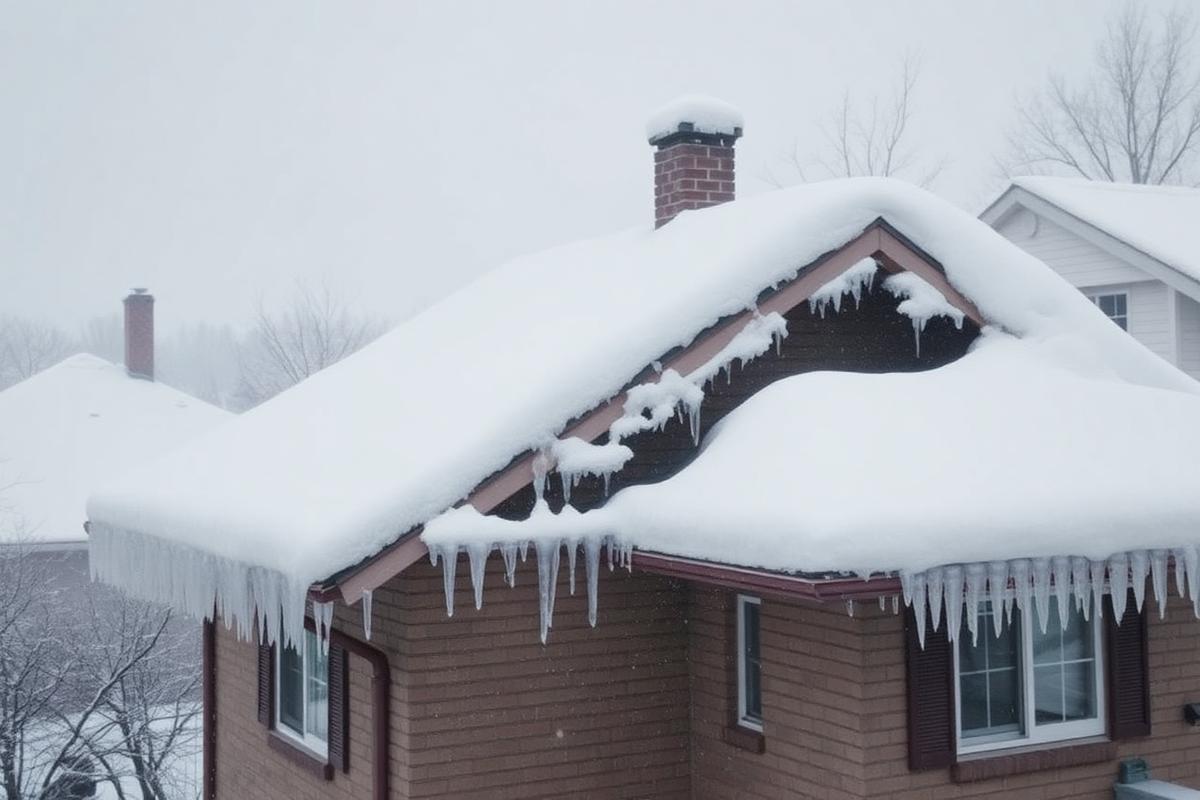
A Sharon Foursquare built in 1908 has a knee-wall attic with almost no continuous insulation at the eave and no soffit-to-ridge ventilation path. Heat from the second-floor ceiling warms the roof deck along the top of the slope, snow melts, the meltwater runs down the roof, and it refreezes at the eave — over the cold, un-warmed overhang. That is a textbook ice dam, and it is the standard failure pattern on 39% of Sharon's housing.
On the Sharon homes with original built-in box gutters, the dam forms inside the box-gutter cavity itself. Water then backs up under the first three or four courses of shingle and finds any nail hole, plank seam, or worn flashing. This is why the wet spot appears in the second-floor ceiling and not at the eave.
Steam Removal, Never Chipping
The wrong emergency response — chipping the ice dam with an axe or a hammer — cracks shingles at their coldest and most brittle state and creates a bigger leak than the ice dam was causing. The right response is low-pressure steam. We use commercial steam units that melt through the dam without touching the shingle surface and without wetting the deck.
A typical Sharon steam call is a 2–4 hour visit: clear the dam, clear the gutter, verify the meltwater path is open, and identify the ceiling stain location so the interior can be dried and inspected. We do not perform interior drywall repair — we clear the ice and stop the active leak.
The Real Fix Is Attic Air Sealing, Not Winter Steam
Every Sharon homeowner we steam-remove in January gets the same offseason conversation in April: the permanent fix is attic air sealing and continuous soffit-to-ridge ventilation. On a pre-1940 Sharon home that usually means adding a continuous ridge vent at the next re-roof, opening the soffit intake path from inside the knee-wall, and blowing insulation over an air-sealed ceiling plane. That combination cuts the ice dam formation rate to near zero even in a February that dumps 18 inches of snow.
What Is Ice Dam Removal?
Ice dam removal is the process of clearing the thick ridge of ice that builds up along the edge of a roof during winter. Left alone, that ridge stops melted snow from draining, so water pools behind it, works back up under the shingles, and leaks into the ceilings, walls, and insulation of the house. In Sharon, PA, ice dam removal is a winter emergency service — the goal is to open a drainage path through the ice before the next thaw cycle pushes water inside.
How Ice Dams Form on Sharon Roofs
- 1Snow accumulates on the roof. Heat escaping the attic warms the deck under the snow and melts the bottom layer, even when the outside air is well below freezing.
- 2That meltwater runs down the slope until it reaches the eave and the gutter — the parts of the roof that overhang unheated space and stay at outdoor temperature.
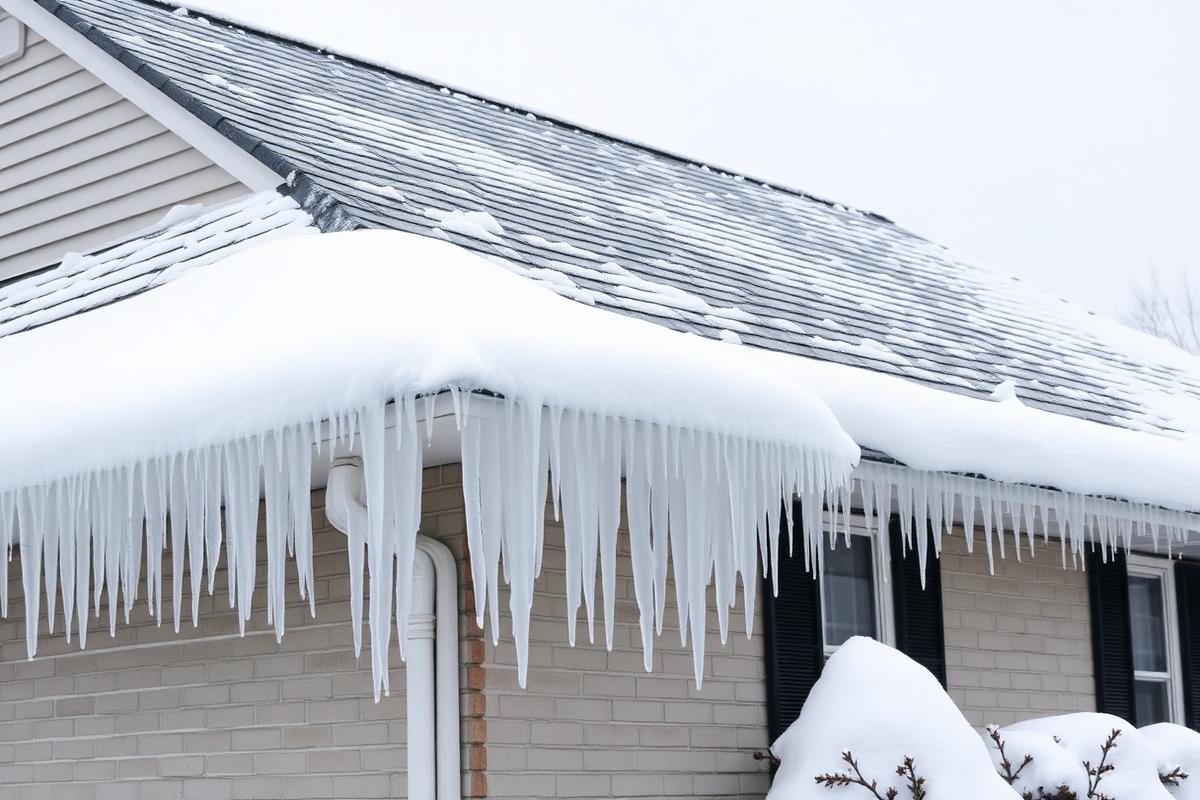
- 3At the cold eave the water refreezes. Repeat that over a few days and the refrozen ice builds into a solid dam several inches thick along the edge, usually with a row of icicles hanging off the gutter.
- 4Once the dam is tall enough, meltwater backs up behind it and sits on the roof. Shingles shed water — they do not hold standing water — so it wicks up under the courses and through the deck.
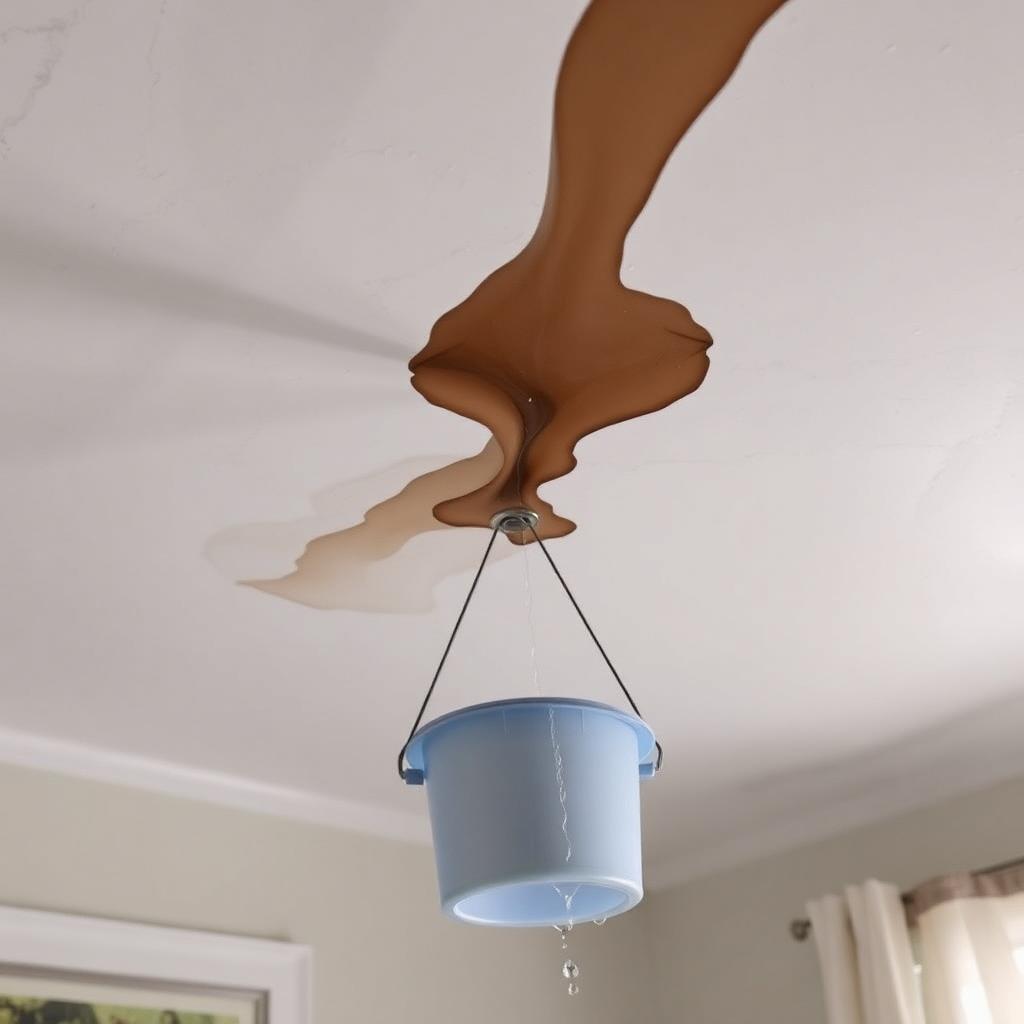
- 5The first thing most Sharon homeowners notice is a brown stain on a ceiling or the top of an exterior wall, sometimes weeks after the ice appeared.
Safe Removal Methods
- Low-pressure steam. A steamer melts a channel through the ice at roughly 300°F but at low pressure, so it removes ice without touching the shingle surface. It is the only method manufacturers accept on an asphalt roof in winter.
- Clear the full drain path — roof, gutter, and downspout. Melting a channel in the roof ice while the gutter is still frozen solid just moves the problem a foot to the left.
- Roof raking from the ground. Pulling the lower three or four feet of snow off after a heavy fall is genuinely useful, low risk, and something a homeowner can do safely with a telescoping rake and both feet on the ground.
- Interior triage first. If water is actively coming in, catch it, and if a ceiling is bulging, relieve the water with a small hole rather than letting a section of drywall come down.
- Photograph everything. Interior water damage from ice and snow is frequently covered under weight-of-ice-and-snow provisions, and the documentation matters.
Methods to Avoid
- Chipping with a hammer, hatchet, or spade. Cold asphalt shingle is brittle — chipping cracks it and gouges the deck, and the leak you create is bigger than the one the dam was causing.
- Pressure washing. High pressure strips granules and drives water under the courses.
- Rock salt or calcium chloride socks. They corrode aluminum gutters, flashing, and fasteners, stain masonry and siding, and kill the plantings below. They also only open a small hole for a short time.
- Torches and open flame. This is how houses burn down in January. Never.
- Climbing an icy roof. Even experienced roofers do not walk an ice-covered slope; the work happens from a ladder and from the ground.
- Treating heat cable as a fix. It manages a symptom, costs money every winter, and leaves the underlying attic problem in place.
Warning Signs on a Sharon, PA Home
- Icicles more than a foot long hanging from gutters or the eave.
- A visible ridge or shelf of ice along the roof edge, with clear standing water or slush behind it.
- Snow melted off the middle of the roof while the eaves stay packed — a direct sign of attic heat loss.
- Water stains on ceilings or at the top of exterior walls, or peeling paint along an outside wall.
- Damp or matted attic insulation, frost on the underside of the roof deck, or a musty smell in the attic.
- Gutters pulling away from the fascia under the weight of ice.
What Drives the Cost of Ice Dam Removal in Sharon
- •Linear feet of dam, and how thick it is — a 20-foot ridge on one eave is a very different job from an entire perimeter.
- •Roof height and access. Second- and third-story eaves take longer to set up safely.
- •Whether the gutters and downspouts are frozen solid and have to be opened as well.
- •Whether it is an active-leak emergency call during a storm event, or a scheduled clearing.
- •Removal is billed hourly with a two-hour minimum, quoted firm before we start work.
Ice Dam Removal Work Near Sharon
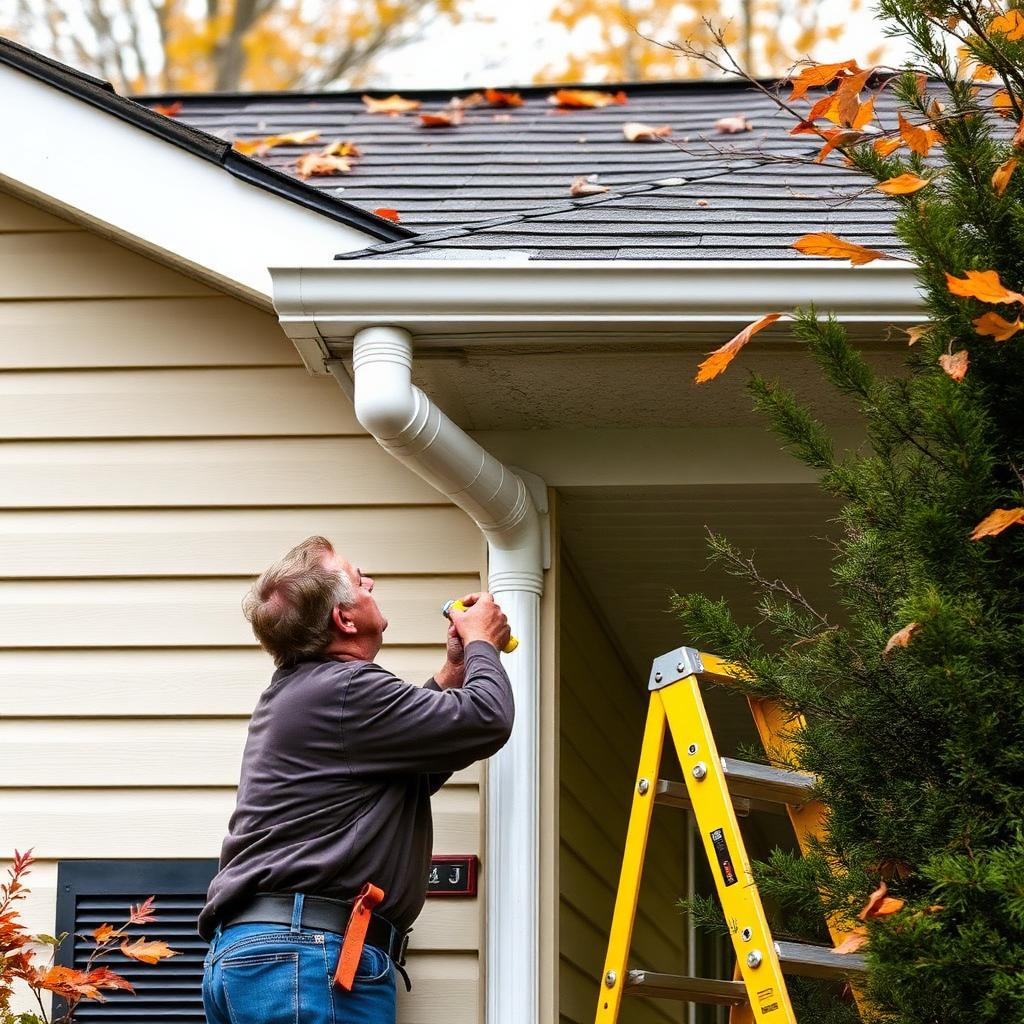
Representative projects from our crews across the Shenango Valley and the PA/OH border.
Manufacturer credentials
- Owens Corning Preferred Contractor.
- IKO Craftsman.
- Fully insured in Pennsylvania and Ohio. In-house crews — no subcontractors. Family-owned and operating out of Sharon, PA since 2000.
Path 1 — Insurance claim
For wind, hail, or storm-driven damage. We walk the roof with your insurance adjuster and document what we find so nothing that should be covered gets missed. We are not a public adjuster — that is a separate PA license — and we do not negotiate the settlement. We document damage, meet the adjuster, and rebuild what the carrier approves to code and to manufacturer spec.
Path 2 — Retail with financing
For roofs simply reaching the end of their life. 0% interest financing on shorter terms and long-term financing that keeps monthly payments low. Runs through a lending partner and is subject to credit approval. We walk through both paths in the free in-home estimate before you sign anything. See financing details →
Frequently Asked Questions — Sharon
- How fast can you get to a Sharon ice dam call?
- Same day for active leaks inside 16146. Our shop is at 765 S Irvine Ave — we can be on-site within an hour once dispatched. During major storm events we run a first-in-first-out queue but active interior leaks jump the line.
- How much does ice dam removal cost in Sharon?
- A typical Sharon steam-removal call runs a per-hour rate with a two-hour minimum. Exact quote depends on dam length, roof pitch, and access — we quote firm before we start work.
- Will you damage my Sharon shingle removing the ice?
- Steam removal does not damage asphalt shingle. Chipping does — do not let anyone put a hammer or an axe to the ice on a Sharon roof. The most common shingle damage we repair after ice dam season is from homeowners or general handymen who tried to chip the ice off themselves.
- Can you fix the cause so it doesn't happen next winter?
- Yes — that conversation happens in spring or summer. On a Sharon home the permanent fix is a re-roof that adds continuous ridge ventilation, opens the soffit intake path, and air-seals the attic ceiling. We quote that as a scoped project separate from the emergency ice removal itself.
Local information sources
- Sharon, Pennsylvania — Wikipedia
- History of Sharon — Sharon Historical Society
- Mercer County — PA Historical & Museum Commission (municipal incorporation dates)
- City of Sharon — Code & Zoning Enforcement / Contractor's Registration
- City of Sharon — Zoning & Building Permit Application
- Sharon and Vicinity — SAH Archipedia
Customer Reviews
What Our Customers Are Saying in Sharon, PA
Penn-Ohio did good work at a very reasonable price. Other quotes were ~30% higher. Austin got us on the calendar quickly and the team replaces our roof in 6 hours.
Penn Ohio just recently replaced my roof. Removed all the old material down to bare wood, and replaced with beautiful new shingles. Cleaned up all the trash. Everything done in one day! My roof looks great. Thanks Penn Ohio!
I needed some wood and peak repairs done. Penn Ohio was quick to come and provide an estimate. Which was a very good estimate. The work was done with care and in one day. I'm very pleased with the work. They were also very easy to communicate with. I would strongly recommend.
I called Penn Ohio for a roof repair estimate on my home recently. Gary came to my home and I could tell that he cares about doing the best for the customer. He gave me a lot options to choose from and I felt very comfortable and not like he is trying to take advantage of me like other companies. 10/10 guy.
These guys were great to work with. I've dealt with contractors that want to spend two hours of my time hitting me with a PowerPoint followed by high pressure tactics to commit immediately. They offer one price if I sign today but magically
Great company to work with. Gary and his crew were great. They did a very nice job replacing the roof and gutters. The price was aggressive and the cleanup was excellent. Definitely recommend Gary and Dustin for your roofing needs