
Penn Ohio Roofing
Ice Dam Removal
Winter ice dam removal that protects your roof.
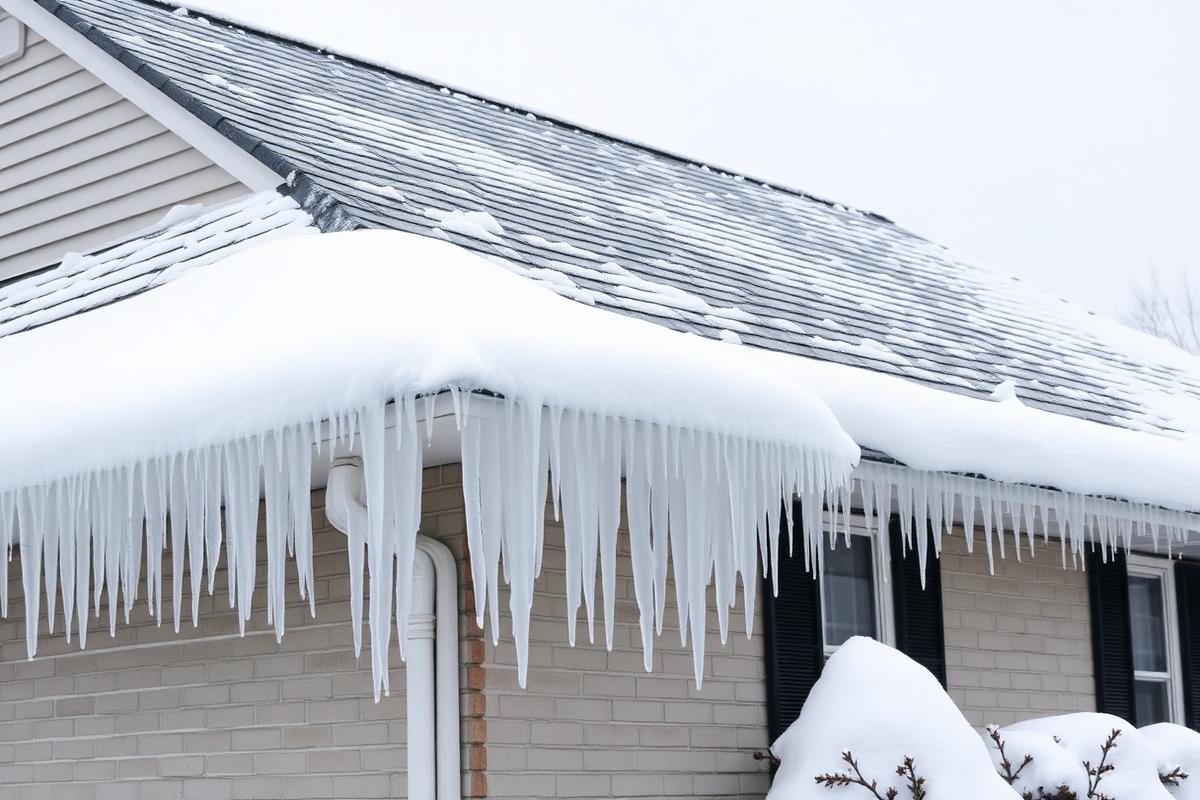
Ice dams form when heat escaping your attic melts snow on the roof, which then refreezes at the cold eaves and forces water back under your shingles. The result can be ruined ceilings, walls, and insulation. We remove ice dams safely with low-pressure steam — the only method that won’t damage your shingles — and can also address the ventilation and insulation issues that caused the problem in the first place.
As an Owens Corning Preferred Contractor, we deliver premium installations backed by industry-leading warranties. Every project is handled by our in-house crews — no subcontractors — and finished with a thorough clean-up so your property looks better than when we arrived.
What Is Ice Dam Removal?
Ice dam removal is the process of clearing the thick ridge of ice that builds up along the edge of a roof during winter. Left alone, that ridge stops melted snow from draining, so water pools behind it, works back up under the shingles, and leaks into the ceilings, walls, and insulation of the house. In Sharon, PA, ice dam removal is a winter emergency service — the goal is to open a drainage path through the ice before the next thaw cycle pushes water inside.
How Ice Dams Form on Sharon Roofs
- 1Snow accumulates on the roof. Heat escaping the attic warms the deck under the snow and melts the bottom layer, even when the outside air is well below freezing.
- 2That meltwater runs down the slope until it reaches the eave and the gutter — the parts of the roof that overhang unheated space and stay at outdoor temperature.
- 3At the cold eave the water refreezes. Repeat that over a few days and the refrozen ice builds into a solid dam several inches thick along the edge, usually with a row of icicles hanging off the gutter.
- 4Once the dam is tall enough, meltwater backs up behind it and sits on the roof. Shingles shed water — they do not hold standing water — so it wicks up under the courses and through the deck.
- 5The first thing most Sharon homeowners notice is a brown stain on a ceiling or the top of an exterior wall, sometimes weeks after the ice appeared.
Safe Removal Methods
- Low-pressure steam. A steamer melts a channel through the ice at roughly 300°F but at low pressure, so it removes ice without touching the shingle surface. It is the only method manufacturers accept on an asphalt roof in winter.
- Clear the full drain path — roof, gutter, and downspout. Melting a channel in the roof ice while the gutter is still frozen solid just moves the problem a foot to the left.
- Roof raking from the ground. Pulling the lower three or four feet of snow off after a heavy fall is genuinely useful, low risk, and something a homeowner can do safely with a telescoping rake and both feet on the ground.
- Interior triage first. If water is actively coming in, catch it, and if a ceiling is bulging, relieve the water with a small hole rather than letting a section of drywall come down.
- Photograph everything. Interior water damage from ice and snow is frequently covered under weight-of-ice-and-snow provisions, and the documentation matters.
Methods to Avoid
- Chipping with a hammer, hatchet, or spade. Cold asphalt shingle is brittle — chipping cracks it and gouges the deck, and the leak you create is bigger than the one the dam was causing.
- Pressure washing. High pressure strips granules and drives water under the courses.
- Rock salt or calcium chloride socks. They corrode aluminum gutters, flashing, and fasteners, stain masonry and siding, and kill the plantings below. They also only open a small hole for a short time.
- Torches and open flame. This is how houses burn down in January. Never.
- Climbing an icy roof. Even experienced roofers do not walk an ice-covered slope; the work happens from a ladder and from the ground.
- Treating heat cable as a fix. It manages a symptom, costs money every winter, and leaves the underlying attic problem in place.
Warning Signs on a Sharon, PA Home
- Icicles more than a foot long hanging from gutters or the eave.
- A visible ridge or shelf of ice along the roof edge, with clear standing water or slush behind it.
- Snow melted off the middle of the roof while the eaves stay packed — a direct sign of attic heat loss.
- Water stains on ceilings or at the top of exterior walls, or peeling paint along an outside wall.
- Damp or matted attic insulation, frost on the underside of the roof deck, or a musty smell in the attic.
- Gutters pulling away from the fascia under the weight of ice.
What Drives the Cost of Ice Dam Removal in Sharon
- •Linear feet of dam, and how thick it is — a 20-foot ridge on one eave is a very different job from an entire perimeter.
- •Roof height and access. Second- and third-story eaves take longer to set up safely.
- •Whether the gutters and downspouts are frozen solid and have to be opened as well.
- •Whether it is an active-leak emergency call during a storm event, or a scheduled clearing.
- •Removal is billed hourly with a two-hour minimum, quoted firm before we start work.